
Reviewed · TUNNEL OF HOPE & SIEGE SITES
Tunnel of Hope Tour – Survival and Resilience
Hope in Sarajevo is underground.
This tour pairs a city drive through siege-era landmarks with the emotionally powerful Tunnel of Hope story, and the guides often bring a firsthand, human perspective from the people who lived through it. I also like the smart pacing: you get your bearings in Sarajevo, then you walk into the tunnel experience with a clearer sense of why it mattered.
One thing to plan for: the Tunnel of Hope museum admission is not included in the tour price, so you will pay extra on the day (20 BAM adult, 8 BAM student).
In This Review
- Key Points to Know Before You Go
- A War-Time City Drive Before You Hit the Tunnel
- From Zelenih beretki to Markale Market and War-Symbol Squares
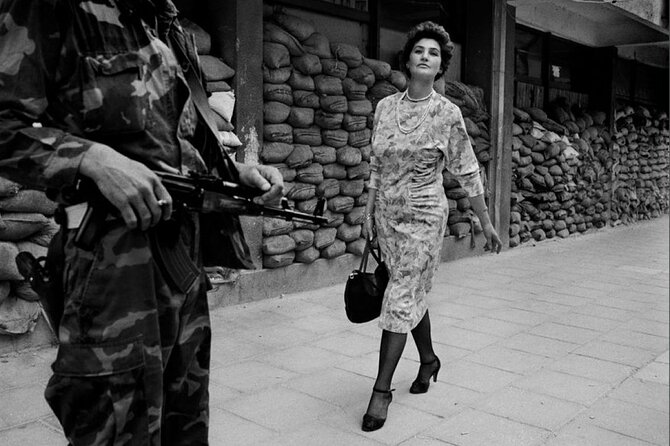
- Sniper Alley and the Most Dangerous Street in the 1990s
- Panoramic Overlook, Cemetery Stops, and Siege Daily Life
- Sarajevo Landmarks You’ll Recognize After the Guide Points Them Out
- Tunnel of Hope Museum: Admission, Replica Sections, and What the Video Adds
- How the 2.5 Hours Fits Real Sarajevo Time, and Why Small Groups Matter
- Getting More Out of Your Guide: Ask the Right Questions
- Should You Book the Tunnel of Hope Tour?
- FAQ
- How long is the Tunnel of Hope Tour in Sarajevo?
- How much does the tour cost, and is the museum included?
- What language is the tour offered in?
- Where does the tour start and end?
- How large are the groups?
- What sites do we see besides the tunnel?
- Do I need good weather for this tour?
- Is there free cancellation?
Key Points to Know Before You Go
- Firsthand siege storytelling from guides with lived experience, often shared in a frank, question-friendly way.
- Small group size with a maximum of 20 travelers, which makes it easier to ask real questions.
- A guided city context before the tunnel, including key landmarks and the route around war-scarred areas.
- Sniper Alley drive and war-time “how did people survive this” street-level context.
- Tunnel of Hope museum walk that uses a replica route when the original tunnel is not accessible.
- Extra cost for the museum admission, so factor it into your budget.
Other siege-era sites around Sarajevo:
- Fall of Yugoslavia, Sarajevo War Tour with Tunnel of Hope Museum and Frontlines
★ 5.0 · 1,314 reviews - Sarajevo: Tunnel Museum Yugoslavia War Tour with War Veteran
★ 5.0 · 1,111 reviews - Sarajevo: Tunnel of Hope Tour – Survival and Resilience
★ 4.8 · 630 reviews - Tunnel Museum: Bosnian & Yugoslav Wars Tour with War Veteran
★ 5.0 · 551 reviews
A War-Time City Drive Before You Hit the Tunnel
This is one of those Sarajevo tours where the route matters as much as the destination. You start in the city, learn how the siege shaped daily life, then shift to a single, tangible symbol of survival: the underground passage known as the Tunnel of Hope.
What makes it work is the sequencing. You are not dropped into the tunnel with no background. You see important buildings and places connected to wartime decisions and survival, then you step into the museum to understand how the tunnel fit into that larger story.
And yes, it is heavy subject matter. That is the point. The guide keeps it human, and you end the tour with a much more grounded sense of why Sarajevo is Sarajevo.
From Zelenih beretki to Markale Market and War-Symbol Squares
Your tour meets at Sarajevo Insider – City Tours and Excursions at Zelenih beretki 30, and it returns there at the end. From the start, you are on a guided circuit, not just hopping in and out at random stops.
Early passes include Markale City Market, a place tied to wartime moments, and Trg Djece Sarajeva, a square associated with Sarajevo’s endurance. Even if you only pass these places rather than stop and linger, the guide’s explanations give them weight. Without that narration, landmarks can feel like a quick photo op. With it, they turn into clues.
You also view the Presidency Building from the outside. During the siege, this was not just a government site, it was part of the city’s nervous system, tied to leadership and decisions under pressure. The same goes for the Parliament area and the Holiday Inn zone, where the guide connects places to wartime journalism and political reality.
Practical note: if you like to take photos, bring a phone with enough storage and plan to shoot from the vehicle when the guide tells you to. Some stops are pass-by rather than walk-to.
Sniper Alley and the Most Dangerous Street in the 1990s
One of the standout segments is the drive through the street that became infamous in the 1990s, known as Sniper Alley. Even though you are not walking the whole way, you get the real context behind the name.
The guide frames what it meant to move through the city during a siege, and it changes how you look at the streets when you later explore on your own. Instead of seeing normal urban geometry, you start seeing sightlines, movement choices, and the constant calculation people had to make.
This is also where having a small group helps. Your questions are easier to manage, and you can ask things like what day-to-day life felt like at street level. In reviews, people specifically praised guides for answering in detail and staying patient, including guides such as Safet and Nermin.
Other Sarajevo trips worth comparing

Panoramic Overlook, Cemetery Stops, and Siege Daily Life
The tour builds in two important “reality checks”: a panoramic overlook and a cemetery stop.
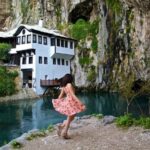
The panoramic overlook is more than a view. It is an orientation tool. From above, you can understand how neighborhoods relate to each other, which matters when you hear stories about survival and restricted movement. It also helps you see why the siege could stretch over years, not just months.
Then you go to a cemetery where victims of the war are buried. This stop is often where the tour shifts from history lessons to something more personal. It is a reminder that the siege was not abstract strategy. It was loss, repeatedly, and over time.
The guide also explains what life during the siege involved, including scarce food, water, electricity, and gas. You leave with a clearer understanding of how people kept functioning even when the city’s normal rhythms were broken.
Sarajevo Landmarks You’ll Recognize After the Guide Points Them Out
After you have the basics of the siege in your head, you start passing some of Sarajevo’s main landmarks. Many took heavy shelling, and your guide uses that fact to connect the map to the story.
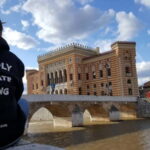
Among the sites included in the drive-by route are City Hall and the National Library of Bosnia and Herzegovina, plus the National Museum and the Presidency Building area. You also pass Skenderija Market and the Zetra Olympic Hall.
A small but meaningful detail: the guide’s narration turns these into “what was here and what happened around it” places. Even if you already know the names from postcards, you start understanding them as part of the siege geography.
One more reason this part feels valuable: it is practical for your future exploring. After the tour, you can walk Sarajevo and quickly spot which buildings the guide referred to, which makes your next hours in town more rewarding.
Tunnel of Hope Museum: Admission, Replica Sections, and What the Video Adds
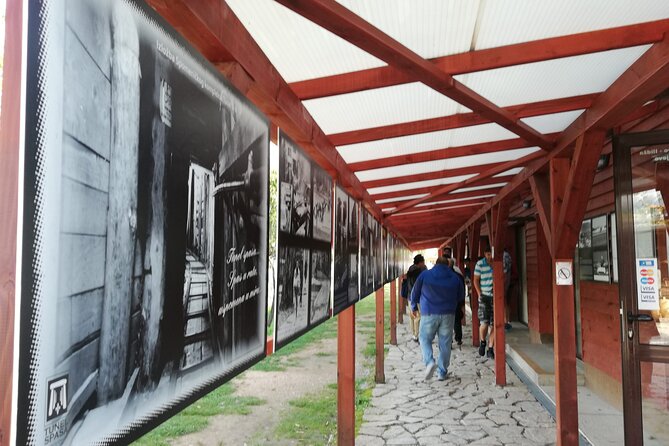
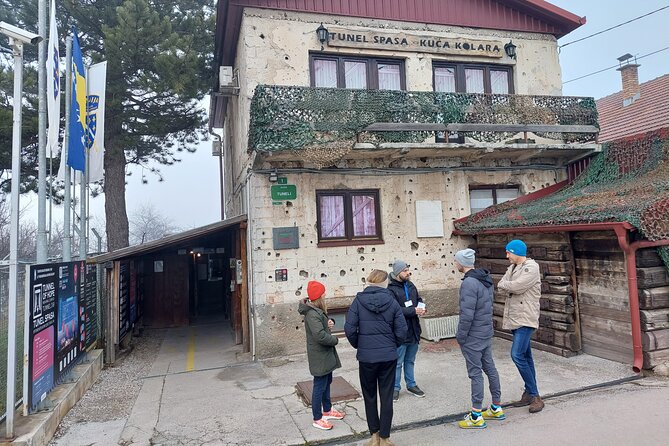
The heart of the tour is the Sarajevo War Tunnel, visited via the Tunnel of Hope Museum. The museum visit runs about 1 hour 15 minutes on the tour timing, and admission is extra.
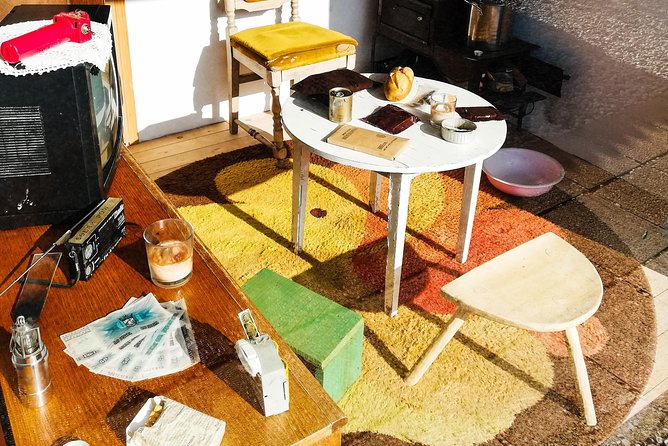
Here is what I think is worth your attention before you go in. The museum experience focuses on explaining construction, purpose, and significance. You also see an exhibit video that covers UN intervention during the Siege of Sarajevo.
About the tunnel walk: the original tunnel is not generally accessible end-to-end for safety reasons, since it runs under an operating airport runway. In the experience described by visitors, you end up walking a replica section designed to recreate the feel of moving through the tunnel. Some accounts also mention descending into the underground space and then continuing through the replica route. Either way, expect a confined, underground feel.
If you have claustrophobia, plan accordingly. The replica route is usually designed to be more workable than the real one, but you are still underground. Coming with that expectation helps you avoid a panic spiral and lets you focus on the story.
How the 2.5 Hours Fits Real Sarajevo Time, and Why Small Groups Matter
The tour runs about 2 hours 30 minutes. That makes it a good fit for a short stay, especially if you want the siege context without dedicating an entire half day to travel logistics.
It also matters that the group maximum is 20. With a smaller group, the guide can slow down for your questions. In reviews, people praised guides like Jernej, Yasif, Haris, and Safet for being open and straightforward, and for keeping the tone honest when discussing difficult topics.
Another scheduling perk: you are driving back to the same meeting point at the end. So you are not left trying to figure out transport right after a heavy emotional experience.
Possible drawback: if you are hoping for a long, stop-everywhere walk tour, this is more vehicle-and-guide than walking-heavy. Some stops are pass-by. You get a lot of context, but you do not linger at every single location for long.
Getting More Out of Your Guide: Ask the Right Questions
Because this tour is guided, your experience will depend a lot on what you ask. I suggest showing up with a couple of targeted questions, like:
- What changed most in Sarajevo during the siege, day to day?
- How did the tunnel actually fit into survival logistics?
- What is the most common misunderstanding people have about Sarajevo in the 1990s?
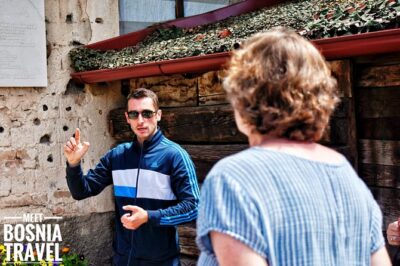
In the accounts I saw, guides used tools like pictograms and shared personal perspectives from their roles, including being former police officers and war veterans. That kind of storytelling responds well to questions, and you will get more than a one-way lecture.
If you can, ask your guide for practical suggestions after the tour too. One guide, Safet, is specifically mentioned for recommending local food and cafés, which is a nice way to keep the day from feeling like only history.
Should You Book the Tunnel of Hope Tour?
Book it if you want the Siege of Sarajevo in a form you can understand quickly: city context first, then the Tunnel of Hope as a concrete survival story. This tour also tends to be strong for people who appreciate clear guiding, detailed answers, and human perspective from someone who lived through the siege era.
Skip or reconsider if you are sensitive to emotionally heavy content, or if you want long walking time at each site. Also, make sure you budget for the Tunnel of Hope Museum admission since it is not included in the base price.
If you are visiting Sarajevo for just a day or two, this is one of the most efficient ways to turn “I heard about the siege” into something real you can picture while you walk the city afterward.
FAQ
How long is the Tunnel of Hope Tour in Sarajevo?
It runs about 2 hours 30 minutes.
How much does the tour cost, and is the museum included?
The tour price is $25.40 per person. The Tunnel of Hope museum admission is not included. Adult admission is 20 BAM (10.50€) and student admission is 8 BAM (4.50€).
What language is the tour offered in?
The tour is offered in English.
Where does the tour start and end?
It starts at Sarajevo Insider – City Tours and Excursions, Zelenih beretki 30, Sarajevo 71000, and it ends back at the same meeting point.
How large are the groups?
The maximum group size is 20 travelers.
What sites do we see besides the tunnel?
You pass or view war-related Sarajevo landmarks such as Markale City Market, Trg Djece Sarajeva, the Presidency Building, Parliament and the Holiday Inn area, RTV Dom, and you also see places like City Hall, the National Library, the National Museum, Skenderija Market, and Zetra Olympic Hall. You also walk through Sniper Alley and visit a cemetery.
Do I need good weather for this tour?
Yes. The experience requires good weather. If canceled due to poor weather, you will be offered another date or a full refund.
Is there free cancellation?
Yes. You can cancel up to 24 hours in advance for a full refund. If you cancel less than 24 hours before the start time, the amount paid is not refunded.
Most recently added near Sarajevo
- Sarajevo : Private Walking Tour With A Guide (Private Tour)★ 5.0 · 1 review
- Sarajevo: Islamic Tour | 500+ years of Glorious Heritage★ 5.0 · 1 review
- Sarajevo: Srebrenica – A Journey of Remembrance★ 5.0 · 1 review
- Transfer tour Sarajevo-Dubrovnik★ 5.0 · 1 review
- Bunker: Tito’s Secret & Boracko Lake Tour from Sarajevo★ 5.0 · 1 review
- Svrzo House Entrance Ticket★ 5.0 · 1 review
- Thrilling Rafting Adventure on the Neretva River with Lunch★ 5.0 · 1 review
- Private transfer (FROM-TO) Sarajevo – Dubrovnik★ 5.0 · 1 review
Tunnel of Hope & Siege Sites, compared.
Fall of Yugoslavia, Sarajevo War Tour with Tunnel of Hope Museum and Frontlines
Read our review →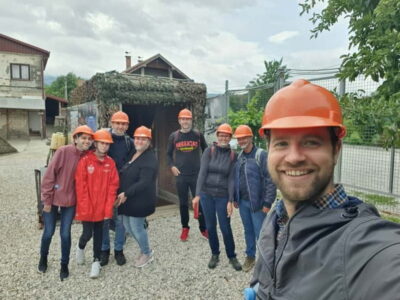
Tunnel Museum Yugoslavia War Tour with War Veteran
Read our review →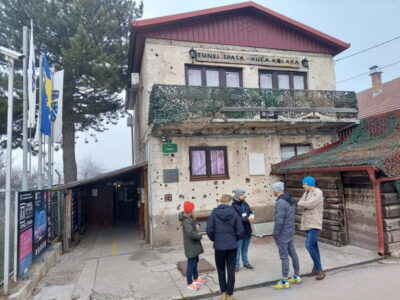
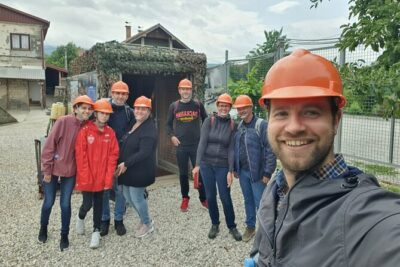
Tunnel Museum: Bosnian & Yugoslav Wars Tour with War Veteran
Read our review →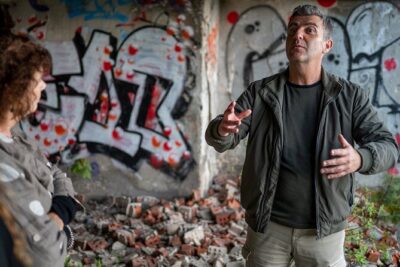
Sarajevo War Tour: A Veteran’s Story of the Siege (fees included)
Read our review →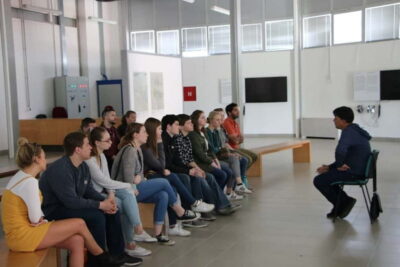
Srebrenica Genocide Study Tour with War Veteran
Read our review →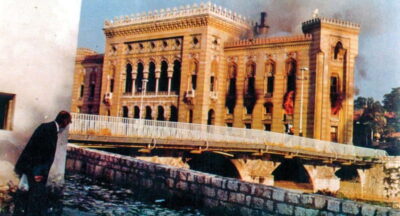
Browse the lists this tour appears in