
Reviewed · TUNNEL OF HOPE & SIEGE SITES
Sarajevo: Tunnel Museum Yugoslavia War Tour with War Veteran
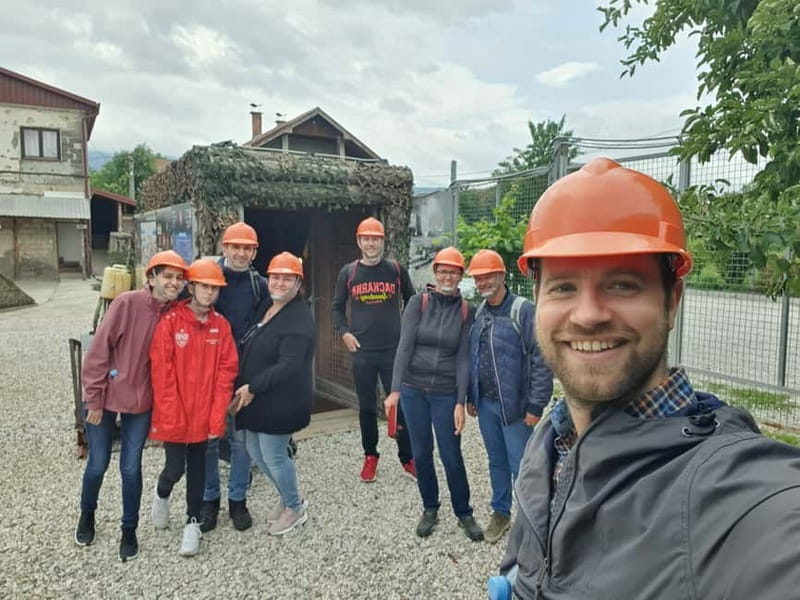
Sarajevo’s pain has a pulse. This small-group war tour combines the Tunnel of Hope with real street-level context, including a pass by Sniper Alley and viewpoints from Trebević. I especially liked getting the story from a war veteran or survivor guide, with clear explanations that connect what you see on the ground to what happened during the siege.
Two stand-out moments for me are walking through the Tunnel of Hope’s core exhibits and then climbing up to Trebević, where Sarajevo looks beautiful and terrifying at the same time. The one possible drawback: the tour deals with heavy subject matter, so you should be ready for emotional history and reminders of violence still visible in the city.
In This Review
- Key highlights you will feel fast
- Why the Tunnel of Hope Tour Hits Hard in Sarajevo
- The drive that sets the map in your head (before you even start)
- Tunnel of Hope Museum and the Sarajevo Rose mark
- Trebević Mountain, the destroyed Osmice hotel, and those sharp viewpoints
- The second largest Jewish cemetery in Europe and Stećak-shaped tombstones
- Yellow Fortress (Yellow Bastion) and the Ottoman old-town layer
- Shehidi Cemetery and Alija Izetbegović’s grave
- Sarajevo’s abandoned Olympic bobsleigh and luge track: the fun stop with meaning
- Price and what you actually get for $36
- Who should book this war tunnel tour, and who should think twice
- Practical tips so you enjoy it more (and handle the heavy parts)
- Should you book the Sarajevo Tunnel of Hope War Tour?
- FAQ
- How long is the Sarajevo Tunnel Museum Yugoslavia War Tour?
- Where does the tour meet in Sarajevo?
- Is the tour in English?
- What are the main stops during the tour?
- Are the Tunnel of Hope Museum tickets included?
- Do we get pickup and drop-off?
- Is this tour suitable for small groups?
- What kind of guide do you get?
Key highlights you will feel fast
- War veteran or survivor guide: firsthand perspective, not just dates and map pins
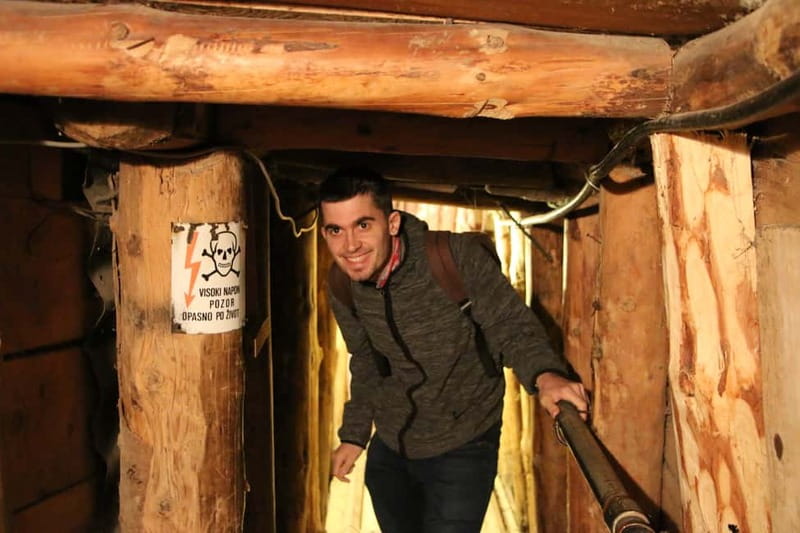
- Tunnel of Hope Museum: movie plus a guided presentation on the siege and the tunnel’s role
- Trebević and the destroyed Hotel-restaurant Osmice: panoramic views plus ruined front-line reality
- Second largest Jewish cemetery in Europe: distinctive tombstones tied to medieval Stećak shapes
- Abandoned 1984 Olympic bobsleigh and luge track: unexpected but fun contrast in the same day
- Yellow Bastion and Shehidi Cemetery: Ottoman-era Sarajevo and the resting place of martyrs, including Alija Izetbegović
Other siege-era sites around Sarajevo:
- Fall of Yugoslavia, Sarajevo War Tour with Tunnel of Hope Museum and Frontlines
★ 5.0 · 1,314 reviews - Sarajevo: Tunnel of Hope Tour – Survival and Resilience
★ 4.8 · 630 reviews - Tunnel Museum: Bosnian & Yugoslav Wars Tour with War Veteran
★ 5.0 · 551 reviews - Sarajevo War Tour: A Veteran’s Story of the Siege (fees included)
★ 5.0 · 326 reviews
Why the Tunnel of Hope Tour Hits Hard in Sarajevo
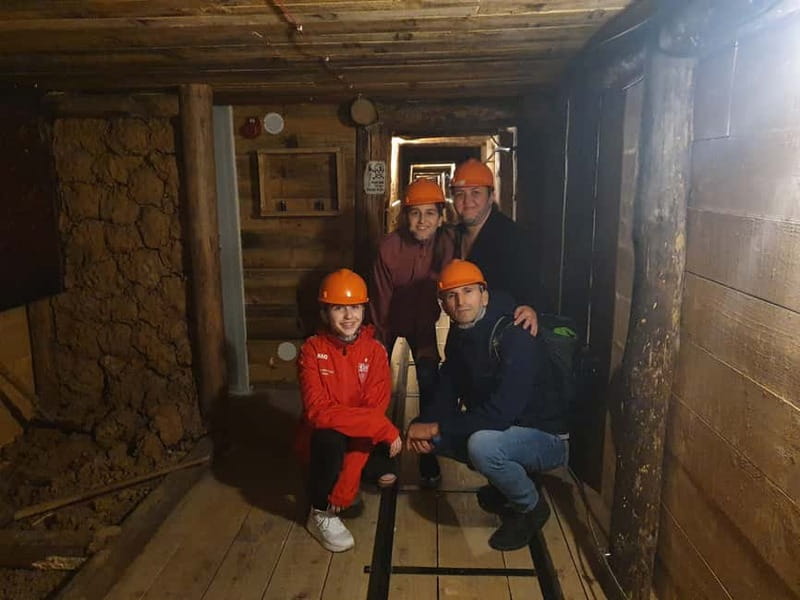
If you want to understand Sarajevo, you can’t only look at it. You have to understand why people survived where they did. This tour uses one key idea again and again: geography. Who held the high ground, where supply could move, and why certain streets and hills became so dangerous.
I like that the experience is built around both history and place. You are not stuck inside one museum room for the whole time. You’ll see sites around Sarajevo that make the siege feel real, then you’ll connect those same places back to what you learn at the Tunnel of Hope.
Also, the human angle matters here. When the guide is a veteran or survivor, the explanations come with lived context. You hear not only what happened, but what it felt like to watch your city change in a matter of years. Guides I’ve heard named include Adnan, Mustafa, and Samira, and they tend to be praised for clarity plus heart.
One more practical note: because it is only about 4 hours, it moves with purpose. It’s a smart choice if you want meaning without spending your whole trip on one topic.
The drive that sets the map in your head (before you even start)
Most tours begin with a briefing. This one begins with a real “you are here” approach. After pickup at the Info Bosnia Tourist Information Center area (easy to find on the main pedestrian street near the Sarajevo Meeting of Cultures mark), you ride in an air-conditioned vehicle while the guide offers a short introduction.
That drive typically lasts about 25 to 30 minutes. During that time, you get early context about the war, and you see important buildings and sites with your own eyes. The goal is simple: later, when you’re standing at the Tunnel of Hope and other key locations, your brain already has a framework.
I found this pacing makes a big difference. Otherwise, a museum can feel like a separate world from the city outside. Here, you’re building continuity as you go.
If you book a private option, pickup and drop-off can be included at your hotel in Sarajevo. If you choose the small-group format, you will still meet at the same main office location, then finish with drop-off in central Sarajevo area back at Info Bosnia Tours.
Tunnel of Hope Museum and the Sarajevo Rose mark
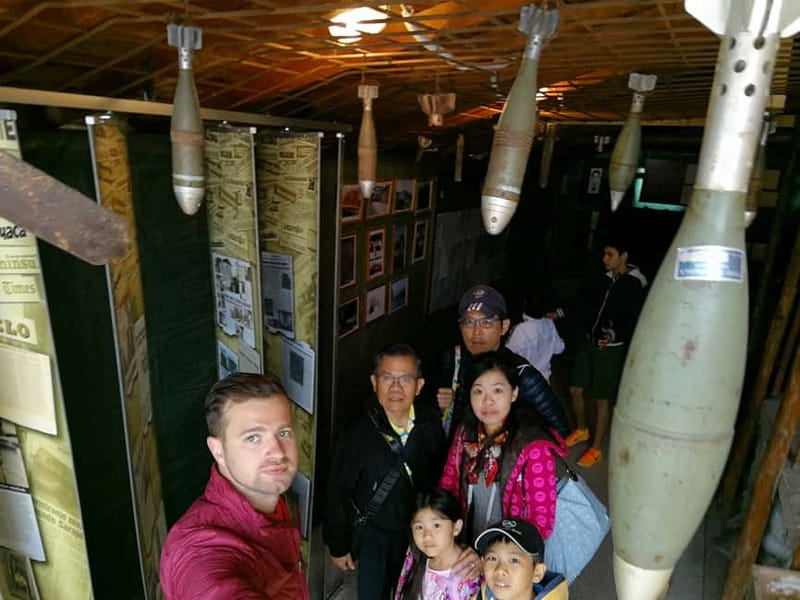
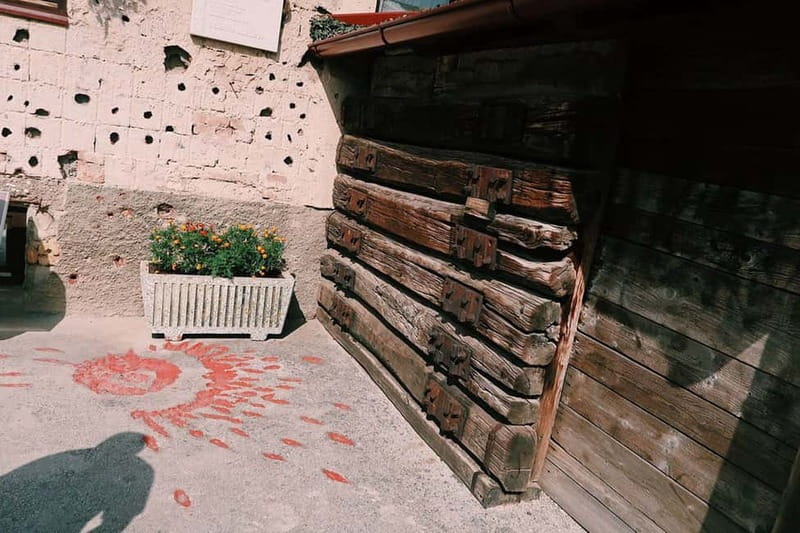
The Tunnel of Hope Museum is the main event, and it’s arranged to do two things: orient you, then explain why the tunnel mattered. When you arrive, you get a sense of the museum’s position in the city and the famous Sarajevo Rose marker right in front of the entrance.
You’ll typically start with a short movie. Then the guided presentation runs about an hour and covers the fall of Yugoslavia and the wars that followed across the region, including Slovenia, Croatia, Bosnia and Herzegovina, and how the tunnel came to exist as a key lifeline. Even if you know the basics, this section helps you connect the tunnel story to the wider political breakdown that led to siege conditions.
One practical win: you usually skip the ticket line. With only a few hours total, that time saved helps you stay focused on the good part, not logistics.
The museum itself is a powerful setting because it turns an engineering solution into a survival story. A tunnel is not just a tunnel. It’s food, medicine, communication, and the basic need to keep people alive when the city is cut off.
And then you step back outside and the day keeps going, which is the whole point. The tunnel makes sense, but Sarajevo also has scars in plain sight.
More museums and collections in Sarajevo:

Trebević Mountain, the destroyed Osmice hotel, and those sharp viewpoints
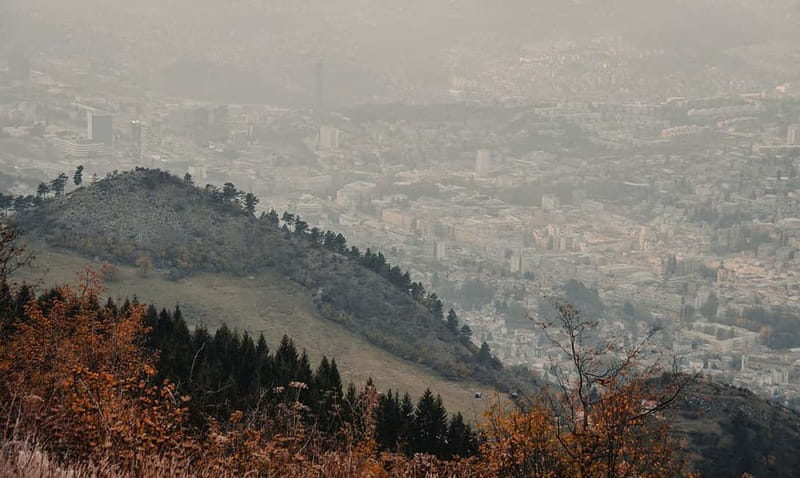
After the museum, you head to Trebević, a mountain closely tied to Sarajevo’s Olympic-era history. Trebević was also part of the front line during the siege, so the views are not just scenic. They are tactical.
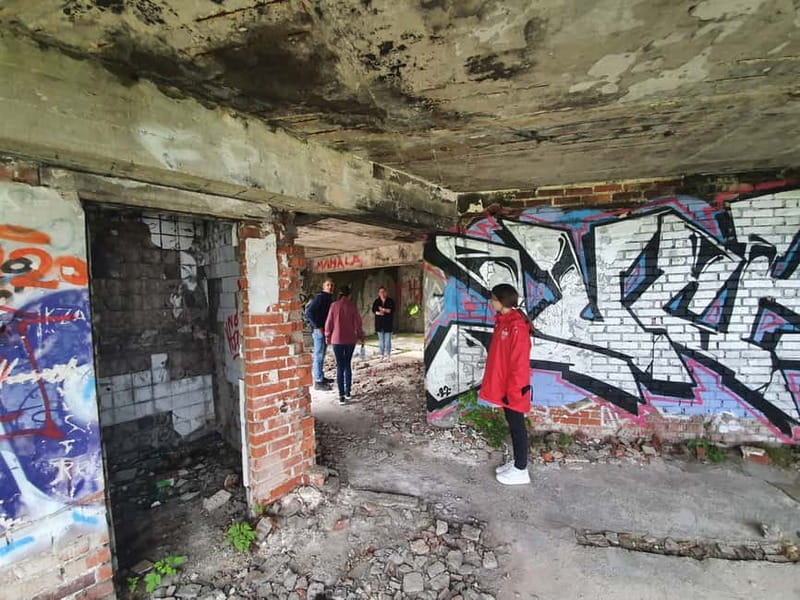
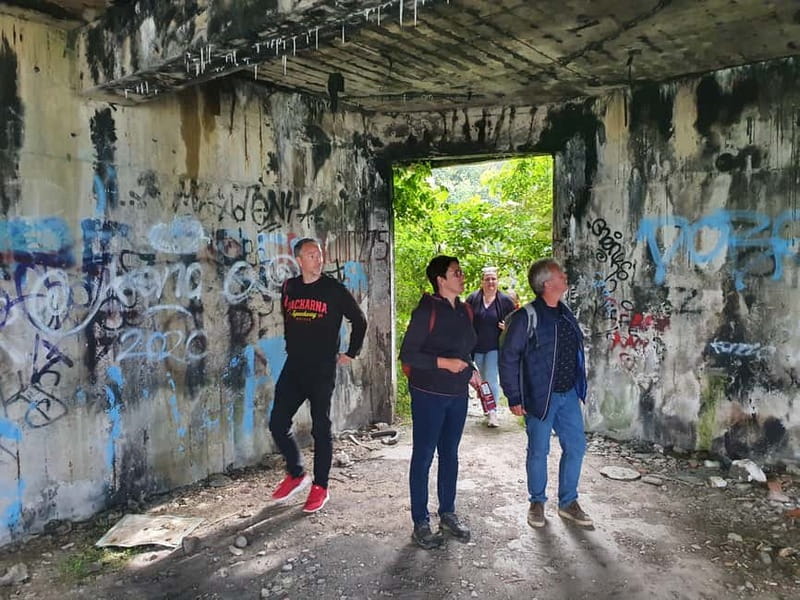
At the site, you have the chance to see and walk in the destroyed hotel-restaurant called Osmice. This is one of those stops that changes the tone of the day. One moment you’re learning in a controlled museum space. Next, you’re dealing with the shell of a place that once served ordinary life, now permanently altered by war.
Then comes the panoramic payoff. The viewpoints from Trebević show Sarajevo from above, and you can really understand why enemy forces cared about heights. It’s one thing to read about high ground. It’s another thing to stand where sight lines matter and realize those same views were once used for danger.
If you’re the kind of traveler who likes seeing city photos with a story behind them, this stop will give you that payoff. If you’re sensitive to physical destruction, it’s still important, but you may want to mentally pace yourself here.
The second largest Jewish cemetery in Europe and Stećak-shaped tombstones
Just under Trebević sits a cemetery that many visitors miss unless someone points it out. This stop is not about the siege era alone. It’s about the layered history of Sarajevo and the region’s cultural fingerprints.
This cemetery is described as the second largest Jewish cemetery in Europe, and it contains unique shaped tombstones that are said to be specific to Bosnia and Herzegovina. The key detail to watch for is how these tombstone shapes are believed to have been influenced by medieval Bosnian tombstones called Stećak.
I appreciate this stop because it widens your view. You’re not only seeing conflict sites. You’re also seeing how communities left their mark through art, shape, and ritual, even amid changing eras.
It’s a quiet place in the middle of a very intense day. If you like history that is human-scale, this cemetery often becomes one of the most memorable parts for its texture and distinctiveness.
Yellow Fortress (Yellow Bastion) and the Ottoman old-town layer
From Trebević you head toward the old Ottoman part of Sarajevo. The tour includes a visit to the Yellow Fortress, also referred to as the Yellow Bastion.
This is the point where your siege story gains depth. Sarajevo did not start with the 1990s war, and the tour doesn’t treat the city like a single chapter. The Ottoman-era core helps you see continuity: different empires, different streets, different daily life, and then the siege era layered on top.
I’d treat this stop like a chance to slow down and look. Fortress walls and city quarters are visual evidence. You can connect it to the siege maps later, but even without that, it helps you remember Sarajevo as a living city, not just a tragedy on a timeline.
Shehidi Cemetery and Alija Izetbegović’s grave
The last major historical anchor is the Shehidi (Martyr) cemetery. This is where soldiers who gave their lives for independent Bosnia and Herzegovina are laid to rest.
At the center of the cemetery is the grave of the first Bosnian president, Alija Izetbegović. It gives the tour a political and personal finish at the same time. The siege was about survival, but it also ties into the later push for a new state and a new identity.
This stop tends to land with a lot of visitors because it’s not abstract. It’s names, graves, and the reality that this history shaped who people became. Even if you came for the tunnel, you end up leaving with a deeper understanding of the stakes.
Sarajevo’s abandoned Olympic bobsleigh and luge track: the fun stop with meaning
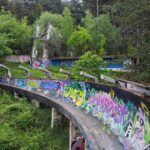
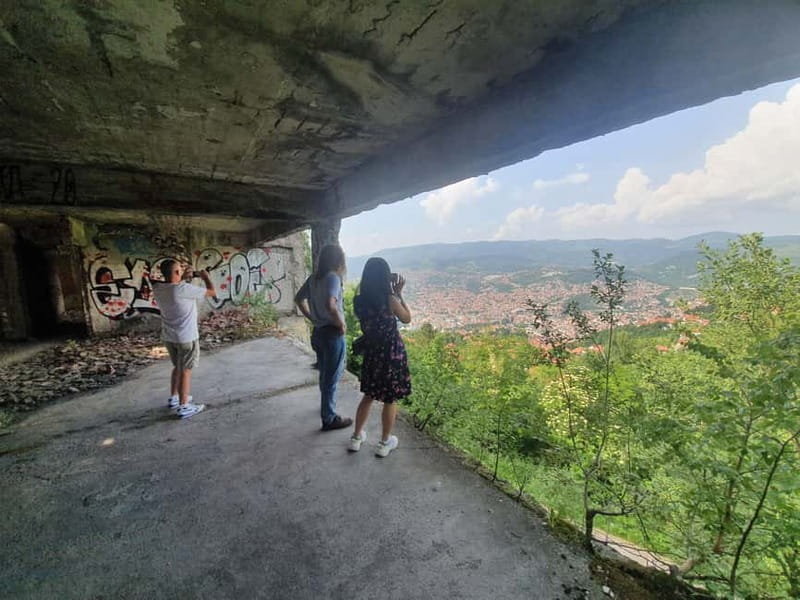
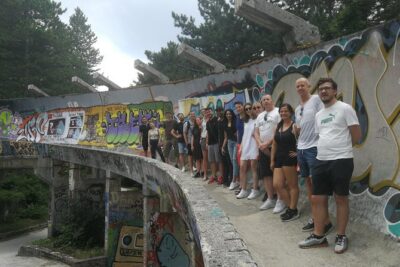
At some point you’ll visit the Sarajevo Olympic bobsleigh and luge track on Mount Trebević. It’s described as abandoned, and there’s often a mix of photo time, a guided explanation, and some free time.
This stop works surprisingly well in the flow of the day. You go from siege survival to a place built for sport and spectacle. Even in ruins, the bobsleigh and luge track reminds you Sarajevo once hosted Winter Olympics in 1984, and that ordinary ambitions existed long before and long after the conflict.
In a tour like this, contrast helps. If every stop were heavy and enclosed, the day would feel one-note. This one adds a visual and emotional reset, while still keeping everything tied to the geography of Trebević.
And yes, it can feel a little surreal. You’re standing near Olympic infrastructure in a zone that also carries war memories. That mismatch is exactly what makes the place stick.
Price and what you actually get for $36
At $36 per person for a 4-hour tour, this is positioned as good value if you care about context. The price makes sense because you are not just paying for transport. You’re paying for a live guide who is a war veteran or survivor, plus a route packed into a short window.
There’s also the matter of the Tunnel of Hope Museum entrance. The information you have says the museum fee of 10 EUR is included if that option is selected. So when you compare offers, check whether you are buying the package that covers museum entry. Either way, the tour is designed so you actually spend time inside, not just outside taking a few photos.
A small-group format is another value point. Fewer people usually means more room for questions. If you want to ask about strategy, daily survival, or how the tunnel worked, this format tends to make those conversations easier.
Also included features you will feel in day-to-day comfort: pickup or drop-off for private options, an air-conditioned vehicle, and English-language guiding.
Who should book this war tunnel tour, and who should think twice
This tour is a strong fit if:
- You want to understand the siege of Sarajevo through real places, not just a museum wall
- You prefer stories from people with firsthand experience, including guides like Adnan, Mustafa, Samira, and others
- You like a short, structured day with clear stopping points and time to ask questions
You might think twice if:
- You need a lighter, purely sightseeing trip. This tour includes destroyed buildings, martyrs’ graves, and siege context.
- You dislike structured time blocks. At 4 hours, you’ll have limited wiggle room to wander off on your own.
Practical tips so you enjoy it more (and handle the heavy parts)
Wear comfortable shoes. You’ll walk at multiple sites, including areas around the Trebević stops.
Bring a light layer. Even in warmer seasons, mountain areas can feel cooler, and you may spend time outdoors for viewpoints.
Finally, give yourself permission to pause. This kind of history hits different depending on your mood. If you need a moment at Osmice or the cemetery, take it. The tour pace is efficient, but you are not required to race through your feelings.
Should you book the Sarajevo Tunnel of Hope War Tour?
Yes, if your goal is real understanding of Sarajevo and you want it delivered by a veteran or survivor guide. The combination of the Tunnel of Hope Museum, Trebević viewpoints, Osmice, the Jewish cemetery with its Stećak-related tombstone shapes, and the final stops in the city’s older quarters creates a full picture in just 4 hours.
Skip it only if you want casual sightseeing with zero emotional weight. For everyone else, this is one of the most meaningful ways to connect Sarajevo’s beauty to its history, and it does it without wasting your time.
FAQ
How long is the Sarajevo Tunnel Museum Yugoslavia War Tour?
The tour duration is 4 hours.
Where does the tour meet in Sarajevo?
The meeting point is the Info Bosnia Tourist Information Center, on the main pedestrian street close to the Sarajevo Meeting of Cultures mark.
Is the tour in English?
Yes. The live tour guide is English, unless another language is requested.
What are the main stops during the tour?
You’ll visit the Tunnel of Hope Museum, see sites around Trebević including the destroyed Hotel-restaurant Osmice, visit the Jewish cemetery, and stop at places including the Yellow Fortress and the Shehidi cemetery. You also pass by Sniper Alley and visit the abandoned Sarajevo Olympic bobsleigh and luge track.
Are the Tunnel of Hope Museum tickets included?
The Tunnel of Hope Museum entrance fee of 10 EUR is included if that option is selected.
Do we get pickup and drop-off?
Pickup and drop-off are included if you select the private option. For the small-group format, the tour meets at Info Bosnia Tours and then uses drop-off locations in Sarajevo.
Is this tour suitable for small groups?
Yes. It runs as a small-group tour, and private options are also available.
What kind of guide do you get?
You get a war veteran or war survivor guide, plus live guided interpretation in English.
Most recently added near Sarajevo
- Sarajevo : Private Walking Tour With A Guide (Private Tour)★ 5.0 · 1 review
- Sarajevo: Islamic Tour | 500+ years of Glorious Heritage★ 5.0 · 1 review
- Sarajevo: Srebrenica – A Journey of Remembrance★ 5.0 · 1 review
- Transfer tour Sarajevo-Dubrovnik★ 5.0 · 1 review
- Bunker: Tito’s Secret & Boracko Lake Tour from Sarajevo★ 5.0 · 1 review
- Svrzo House Entrance Ticket★ 5.0 · 1 review
- Thrilling Rafting Adventure on the Neretva River with Lunch★ 5.0 · 1 review
- Private transfer (FROM-TO) Sarajevo – Dubrovnik★ 5.0 · 1 review
Tunnel of Hope & Siege Sites, compared.
Fall of Yugoslavia, Sarajevo War Tour with Tunnel of Hope Museum and Frontlines
Read our review →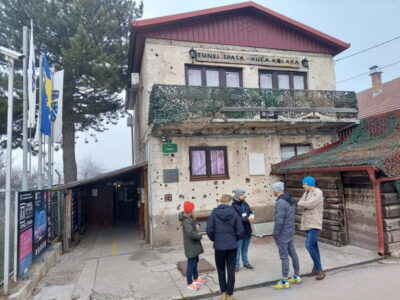
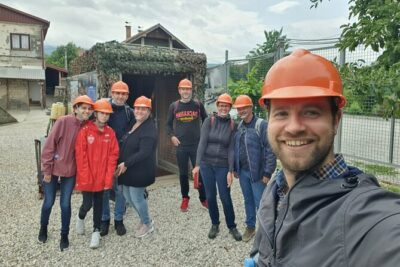
Tunnel Museum: Bosnian & Yugoslav Wars Tour with War Veteran
Read our review →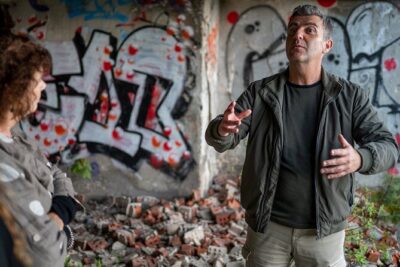
Sarajevo War Tour: A Veteran’s Story of the Siege (fees included)
Read our review →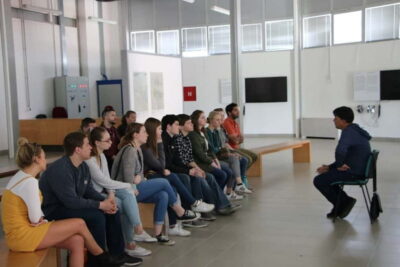
Srebrenica Genocide Study Tour with War Veteran
Read our review →
Break-up of Yugoslavia & The War in Mostar: Life Under Siege
Read our review →Browse the lists this tour appears in