
Reviewed · TUNNEL OF HOPE & SIEGE SITES
Sarajevo War Tour: A Veteran’s Story of the Siege (fees included)
A siege tour with a living witness.
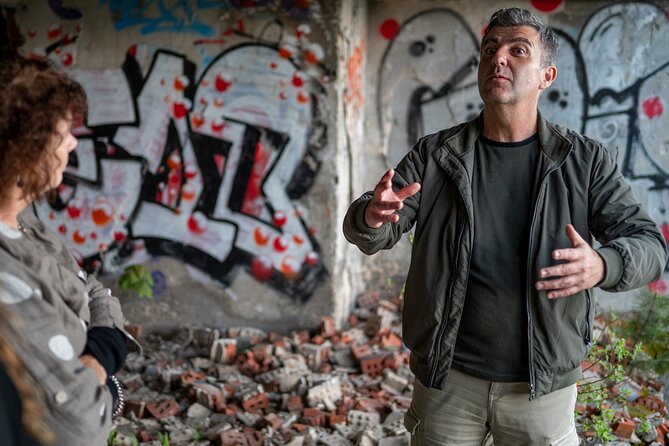
This half-day in Sarajevo lines up the key places of the Siege of Sarajevo, from Sniper Alley and Markale Markets to the War Tunnel Museum and sweeping Trebević viewpoints. I especially like the fact that you’re guided by a Sarajevo siege survivor, and that the important admission is handled for you. The main thing to consider is tone, it is heavy material, and you will be asking and hearing real human stories.
The pace is manageable, but there is still some walking and a bit of terrain around the viewpoints and bobsleigh track area. If you’re the type who wants light, purely scenic sightseeing, this may feel like a lot. If you can handle the emotions and the history, it’s also one of the most meaningful ways to understand Sarajevo quickly.
In This Review
- Key things I’d mark on your mental map
- Why this siege tour works, beyond the facts
- Getting your bearings: Funky Tours, pickup, and the city’s painful landmarks
- Sniper Alley and Hotel Holiday: the Olympics site that became wartime real estate
- Entering the Tunnel of Hope: movie, exhibits, and a real walk
- Trebević Mountain: viewpoints plus visible wartime damage
- Trebević Vidikovac: the chess-game perspective from above
- Sarajevo Olympic bobsleigh and luge track: brutalist design, graffiti, and frontline history
- Jewish Cemetery Sarajevo: memory and the siege map in the same frame
- Price and value: what $48.39 buys you in Sarajevo terms
- Who should book this tour, and who should think twice
- Should you book this veteran-led Siege of Sarajevo tour?
- FAQ
- How long is the Sarajevo War Tour?
- What is the price per person?
- Is admission included?
- Do I get pickup and drop-off?
- Is the tour offered in English?
- How many people are in the group?
- Is food included?
- How much walking is involved?
- Where does the tour start and end?
- What is the cancellation policy?
Key things I’d mark on your mental map
- A survivor as your guide: expect direct, human answers to tough questions, sometimes even very personal ones.
- Sniper Alley and Hotel Holiday: you see the geography where danger was concentrated, including the 1984 Olympic-era Hotel Holiday.
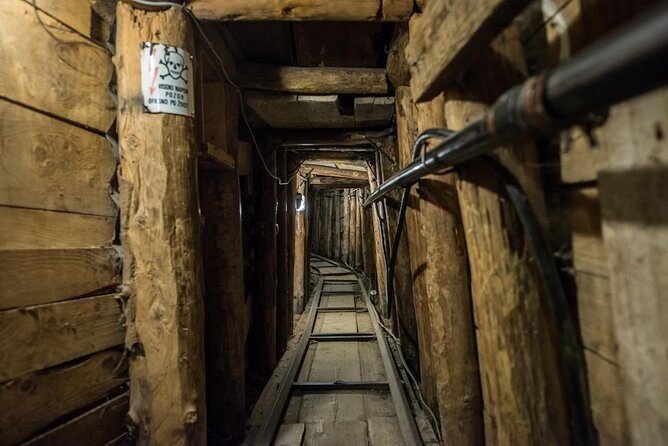
- Tunnel of Hope, not just photos: you watch a short film, then go through the tunnel and see connected exhibits.
- Trebević views with visible damage: you look over the city while also seeing wartime destruction that has not been fully restored.
- Small group size: the max is 8 travelers, which makes questions and conversation feel natural.
- Admission value included: War Tunnel entrance is included, and other stops are set up with fees covered or free per the plan.
Other siege-era sites around Sarajevo:
- Fall of Yugoslavia, Sarajevo War Tour with Tunnel of Hope Museum and Frontlines
★ 5.0 · 1,314 reviews - Sarajevo: Tunnel Museum Yugoslavia War Tour with War Veteran
★ 5.0 · 1,111 reviews - Sarajevo: Tunnel of Hope Tour – Survival and Resilience
★ 4.8 · 630 reviews - Tunnel Museum: Bosnian & Yugoslav Wars Tour with War Veteran
★ 5.0 · 551 reviews
Why this siege tour works, beyond the facts
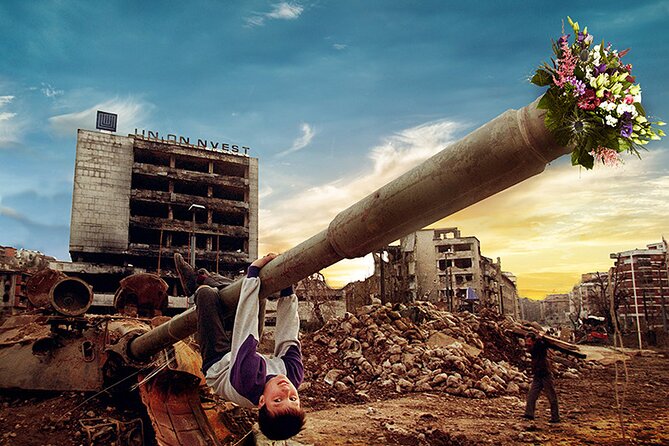
Sarajevo in the 1990s is often told as dates and headlines. This tour gives you the missing layer, the lived reality, because the guide is a Sarajevo war veteran and siege survivor. You’re not just collecting information, you’re learning how people processed fear, loss, and daily survival.
I like that the format invites questions. The guide is there to answer, even if your question feels sensitive or personal. That matters in a topic like this, because nuance is the whole point.
The other reason it works is the balance between places and explanation. You’ll stop at specific sites around the city, then connect them to what the siege did to movement, safety, and city life.
Getting your bearings: Funky Tours, pickup, and the city’s painful landmarks
The tour meets at Funky Tours, Besarina čikma 5, and pickup and drop-off are part of the package. That’s a relief in a city where you might not want to spend your first morning figuring out routes, especially when you’ll be traveling between multiple points.
From the start, the tour frames the siege in the real geography of Sarajevo. You’ll pass Markale Markets, described as the largest massacre site in Sarajevo from 1992 to 1995. You’ll also pass a memorial dedicated to 1601 children murdered during the same period.
Even if you only get a short look at these places, the guidance here is what turns them from “sight stops” into context. I’d treat these moments with a slower pace in your head, because they set the emotional tone for everything after.
Sniper Alley and Hotel Holiday: the Olympics site that became wartime real estate
One of the most memorable parts is Sniper Alley, a name tied to the Marijin Dvor area and the former Hotel Holiday (now Hotel Holiday). This is where danger was concentrated, so it’s not just about seeing a street, it’s about seeing the battlefield shape of the city.
You’ll visit Hotel Holiday, built for the Sarajevo 1984 Winter Olympics. During the siege, the hotel served as a base for foreign journalists and reporters covering the war and the siege of Sarajevo.
That Olympics-to-frontline contrast is powerful in a simple way. Sarajevo was modern enough to host global events, then it was forced into a siege map where even a hotel could become a strategic place for observation and reporting.
Other Sarajevo trips worth comparing
Entering the Tunnel of Hope: movie, exhibits, and a real walk
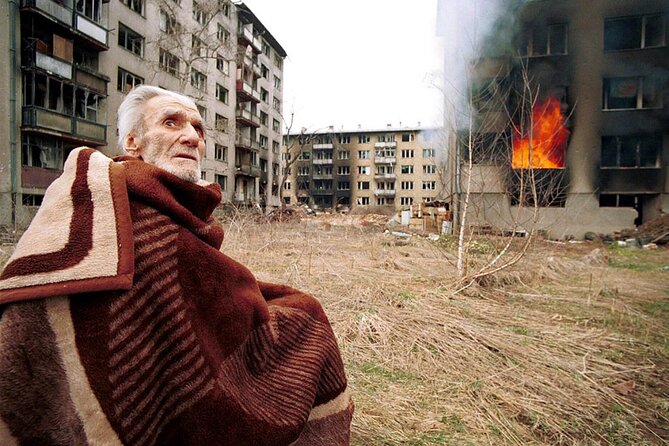
The heart of the tour is the War Tunnel Museum, Tunnel of Hope. The plan is timed for a full block of about 1.5 hours, which is exactly what you need if you want more than a quick peek.
You’ll see a short movie about the war and the tunnel, then you’ll go through the tunnel itself. That part is usually what sticks with people, because it shifts the siege from story mode into body mode. The tunnel is described as the major blood vessel for a heavily besieged, destroyed city.
After the tunnel walk, you get the museum exhibition time with exhibits connected to the siege. I like that the tour pairs first-person guidance with the museum setting. Exhibits help you anchor details, and the guide helps you connect why those details mattered to people day to day.
Also, this is where the price starts to feel smarter. The War Tunnel entrance fee is included, and the plan is explicit about it being covered.
Trebević Mountain: viewpoints plus visible wartime damage
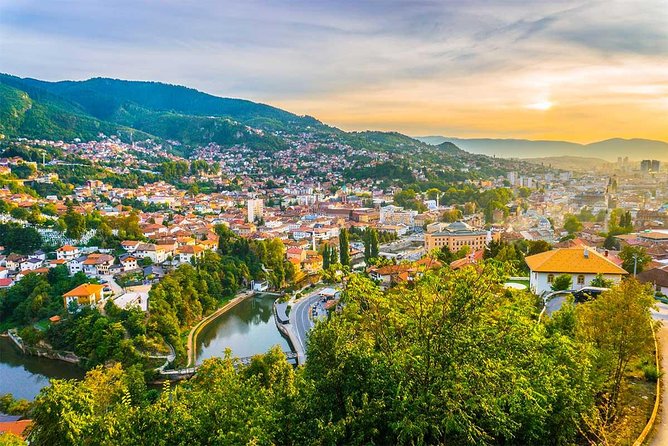
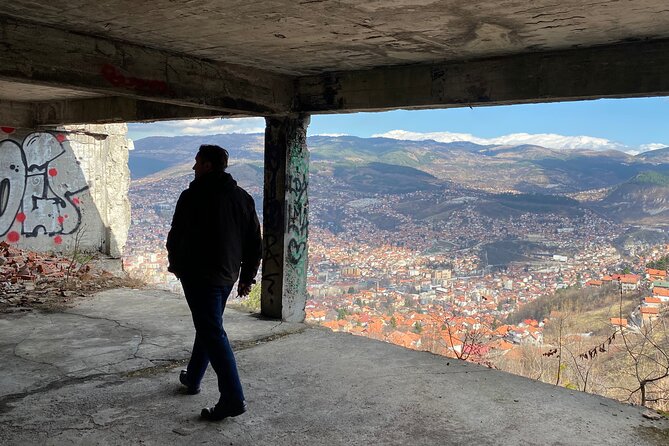
After the tunnel, the tour heads to Mt. Trebević. This area was described as a first line in the siege, and a battlefield zone with multiple battlefields along its length. That means the stops are not just for views. You’re looking over the city while also seeing the physical reminders of conflict.
At the site, you’ll have the opportunity to see where destruction is visible, with named areas including Zlatište, Osmice, and Trebević Vidikovac, plus other destroyed facilities and sites. The plan also mentions things like bunkers, minefields, military tank caterpillar traces, trenches, bullets, and grenade shrapnels, and that some areas have not been repaired or restored even decades later.
A practical note: that can feel intense, especially if weather is poor. The ride and outdoor time can shift how you experience this part, so come mentally prepared for a mix of serious history and cold wind.
Trebević Vidikovac: the chess-game perspective from above
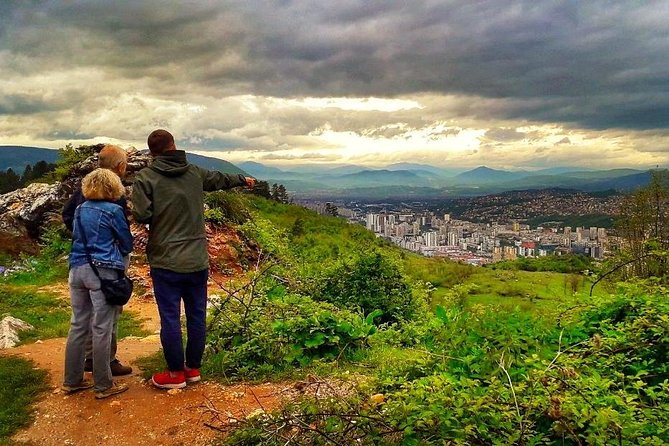
From Trebević, you’ll move to Trebević Vidikovac, one of the most beautiful viewpoints above Sarajevo. During the siege, the plan notes that this was the position of the Army of Republic of Srpska.
This stop is short, about 20 minutes, but it can land emotionally because it gives you a top-down sense of the siege geometry. The tour frames it as a kind of chess game, where advantages existed but the control of the city never happened.
What you do here is simple: look out, then let the explanation turn the skyline into strategy. If you’ve ever wondered why a city can feel both close and untouchable during war, this is where it becomes easier to understand.
Sarajevo Olympic bobsleigh and luge track: brutalist design, graffiti, and frontline history
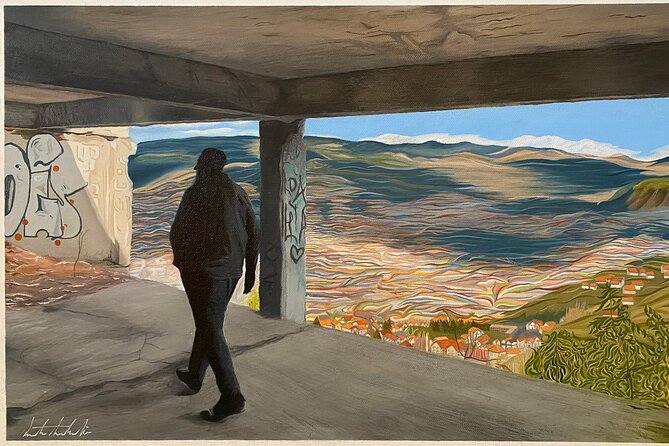
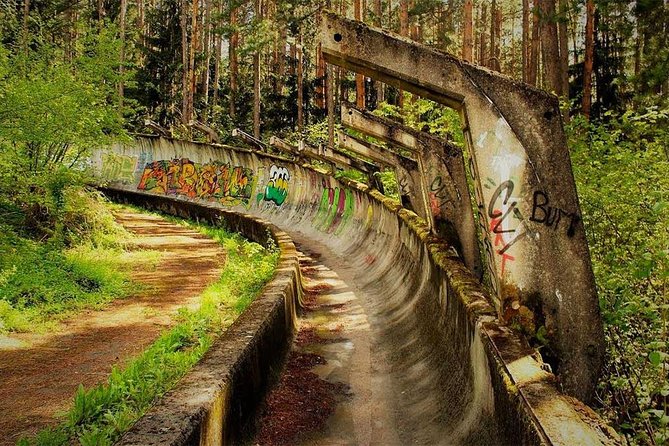
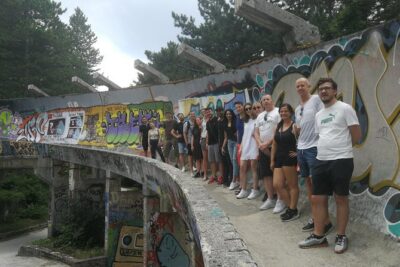
Next up is the Sarajevo Olympic Bobsleigh and Luge Track, originally built for the 1984 Winter Olympics. The interesting part is how the tour ties the architecture and location to siege events, since this site also stood on a main front line.
You’ll spend about 20 minutes here. The plan highlights the track’s reputation today as one of the world’s most beautiful abandoned places, and it also notes the graffiti work, by artists from around the world.
One detail worth knowing: depending on where you park, there can be a longer walk from the vehicle to the bobsleigh track area. In a review example, someone with limited mobility was left at a nearby hotel for coffee while the rest of the group explored for about an hour. That suggests a bit of flexibility when mobility is an issue. If that matters to you, plan ahead and speak up so you can get a workable setup.
Jewish Cemetery Sarajevo: memory and the siege map in the same frame
On the return to the city, the final stop is the Jewish Cemetery Sarajevo. It’s described as one of the largest Jewish cemeteries in Europe with major historical importance, and during the siege it was also a main front line and a sniper nest for the Republic of Srpska army.
This stop is about more than war history. It’s a reminder that the siege impacted every kind of place: residential, commercial, cultural, and religious. Seeing the cemetery through that dual lens can be sobering, so go slowly and let the guide’s framing do its job.
At 15 minutes, it’s enough time for orientation, reflection, and the key points without turning it into a rushed checklist.
Price and value: what $48.39 buys you in Sarajevo terms
At $48.39 per person, this is priced as a half-day tour with real access, not just sightseeing. The plan includes an air-conditioned vehicle, pickup and drop-off, and a Sarajevo war veteran English-speaking guide. There’s also a mobile ticket.
The biggest value signal is admissions. The War Tunnel entrance fee is included (the plan lists it as 10.5 EUR per adult and 2.5 EUR for children and students), while other stops are set up as free per the tour flow. You’re also not buying individual museum tickets on the spot, which saves time and keeps the schedule smooth.
If you’re only in Sarajevo briefly, this pricing structure makes sense because you get several siege-related locations in about 4 hours. And the small group size, max 8 travelers, helps keep it conversational instead of lecture-only.
Who should book this tour, and who should think twice
This tour is a strong match if you want to understand the siege beyond “what happened.” You’ll like it if you appreciate context, can handle emotional material, and want to ask questions in a respectful setting.
It’s also a good fit for first-time visitors who want the big landmarks efficiently. The Tunel of Hope stop alone is a major reason, and the Trebević viewpoint and Sniper Alley adds the siege geography that helps everything click.
If you want a light day, or you strongly prefer entertainment over testimony, this may feel too serious. And if you have tight mobility needs, you should be ready for some walking and steps around outdoor viewpoints and the bobsleigh track access area.
Should you book this veteran-led Siege of Sarajevo tour?
I’d book it if your goal is understanding, not just photos. The combination of survivor-led storytelling, the Tunnel of Hope walk, and the siege geography stops around Sarajevo is the kind of experience that gives you lasting context fast.
I would hesitate only if you know you struggle with heavy, direct history. But if you can meet the day with respect and patience, this is one of the best ways to make Sarajevo’s recent past feel real.
FAQ
How long is the Sarajevo War Tour?
It runs about 4 hours (approx.).
What is the price per person?
The price is $48.39 per person.
Is admission included?
Yes. The War Tunnel entrance fee is included, and the plan also lists admissions for other stops as free.
Do I get pickup and drop-off?
Yes. Address pick-up and drop-off are included.
Is the tour offered in English?
Yes, the tour is offered in English.
How many people are in the group?
The tour has a maximum of 8 travelers.
Is food included?
No. Food and drinks are not included.
How much walking is involved?
The tour notes low amount of walking, though some outdoor areas and access routes may involve walking.
Where does the tour start and end?
It starts at Funky Tours, Besarina čikma 5, Sarajevo 71000, Bosnia and Herzegovina, and ends back at the meeting point.
What is the cancellation policy?
Free cancellation is available up to 24 hours in advance for a full refund.
Most recently added near Sarajevo
- Sarajevo : Private Walking Tour With A Guide (Private Tour)★ 5.0 · 1 review
- Sarajevo: Islamic Tour | 500+ years of Glorious Heritage★ 5.0 · 1 review
- Sarajevo: Srebrenica – A Journey of Remembrance★ 5.0 · 1 review
- Transfer tour Sarajevo-Dubrovnik★ 5.0 · 1 review
- Bunker: Tito’s Secret & Boracko Lake Tour from Sarajevo★ 5.0 · 1 review
- Svrzo House Entrance Ticket★ 5.0 · 1 review
- Thrilling Rafting Adventure on the Neretva River with Lunch★ 5.0 · 1 review
- Private transfer (FROM-TO) Sarajevo – Dubrovnik★ 5.0 · 1 review
Tunnel of Hope & Siege Sites, compared.
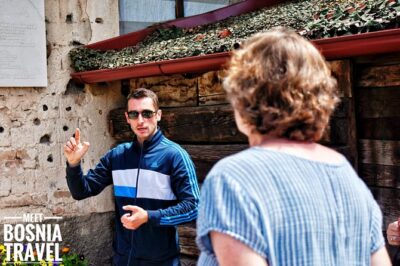
Fall of Yugoslavia, Sarajevo War Tour with Tunnel of Hope Museum and Frontlines
Read our review →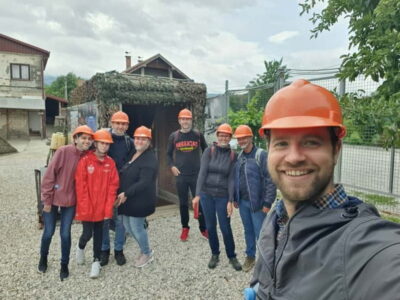
Tunnel Museum Yugoslavia War Tour with War Veteran
Read our review →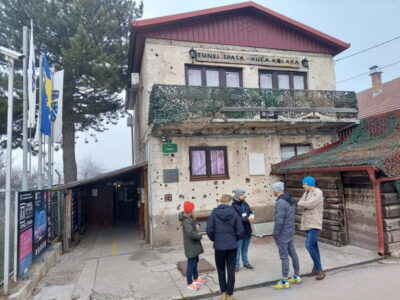
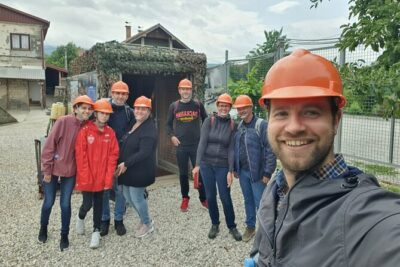
Tunnel Museum: Bosnian & Yugoslav Wars Tour with War Veteran
Read our review →
Srebrenica Genocide Study Tour with War Veteran
Read our review →
Break-up of Yugoslavia & The War in Mostar: Life Under Siege
Read our review →Browse the lists this tour appears in