
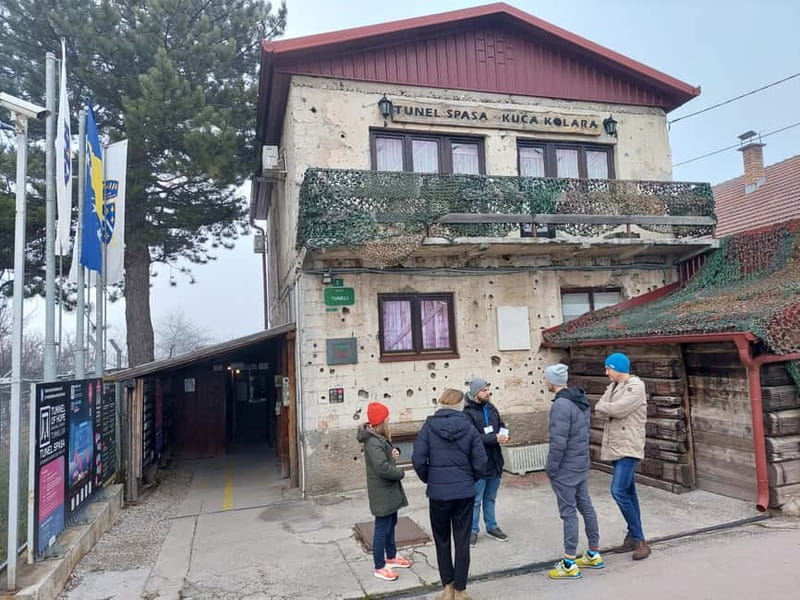
Reviewed · TUNNEL OF HOPE & SIEGE SITES
Sarajevo: Tunnel of Hope Tour – Survival and Resilience
Underground, the city found a lifeline. This 2.5-hour tour pairs a bus ride past key wartime sites with a guided visit to the Tunnel of Hope Museum, including a short stretch you walk through, plus context for what Sarajevo endured.
I really like two things here. First, the guides often bring first-hand perspective, with names like Nermin and Adis showing up in recent groups as people who lived through the siege. Second, you get the story in motion, not just in rooms, with Markale Market and other command-and-information sites explained as you pass them.
One thing to consider: the subject is the suffering of Sarajevo’s citizens during the war, so some parts may feel heavy or disturbing.
In This Review
- Key highlights worth planning around
- Sarajevo’s siege, explained at street level
- Where you start, and how the day stays organized
- The bus ride that turns landmarks into meaning
- Markale Market: resilience you can see in one glance
- Presidency Building: leadership under pressure
- TV Building: communication as survival
- Optional extra viewpoints, depending on the guide
- The Tunnel of Hope Museum: what you walk through and why it matters
- 100 meters underground: the lesson is short, not gentle
- Time to ask questions, then time to sit with it
- Price, tickets, and what you’re really paying for
- Practical tips that keep the day comfortable
- What to bring
- What to avoid
- Mobility and access reality
- Languages
- Should you book this Tunnel of Hope tour
- FAQ
- How long is the Tunnel of Hope Tour?
- Where do I meet for the tour?
- What does the tour price include?
- How much is the Tunnel of Hope Museum ticket?
- Is the Tunnel of Hope ticket line skipped?
- What languages are the guides available in?
- How much of the tunnel do you walk through?
- Is this tour suitable for wheelchair users?
- Can I cancel and get a full refund?
Key highlights worth planning around
- Markale Market: a stop that turns the siege from dates into lived reality
- Presidency and TV Building passes: you see how leadership and wartime broadcasting shaped daily life
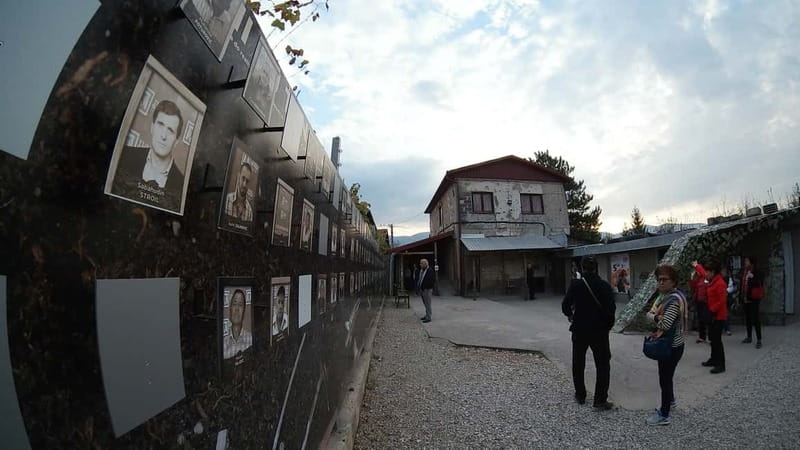
- Tunnel of Hope Museum visit: the lifeline that connected Sarajevo to the outside world
- A 100-meter tunnel walk: short in distance, big in impact
- War-era storytellers: guides described as veterans or siege participants, like Nermin and Adis
- Modern transportation and skip-the-ticket-line: practical help so the day stays smooth
Other siege-era sites around Sarajevo:
- Fall of Yugoslavia, Sarajevo War Tour with Tunnel of Hope Museum and Frontlines
★ 5.0 · 1,314 reviews - Sarajevo: Tunnel Museum Yugoslavia War Tour with War Veteran
★ 5.0 · 1,111 reviews - Tunnel Museum: Bosnian & Yugoslav Wars Tour with War Veteran
★ 5.0 · 551 reviews - Sarajevo War Tour: A Veteran’s Story of the Siege (fees included)
★ 5.0 · 326 reviews
Sarajevo’s siege, explained at street level
Sarajevo got international attention for the 1984 Olympics. Then, not long after, it became the setting for the longest siege in modern warfare. This tour gives you the quick path from that headline to what it meant for people on the ground, day after day.
You’ll start in the city with a licensed guide, then head out to the Tunnel of Hope area. The format matters: a mix of passing major sites by bus, plus a guided walk inside the tunnel setting, plus a short personal window on-site. That makes it easier to connect the political story to the human story.
And for many visitors, the most powerful element is the guide’s voice. In recent groups, the tour has been led by people like Nermin, an experienced storyteller with direct ties to the wartime period, and Adis, also highlighted for thoughtful, detailed explanation. Even when the facts stay factual, the tone tends to stay human.
Where you start, and how the day stays organized
You meet at the Sarajevo Insider Tour Office, Zelenih beretki 30, Sarajevo 71000. From there, the schedule is straightforward: about 30 minutes of guided touring and sightseeing by bus, then about one hour of guided time around the Tunnel of Hope, followed by a short 15-minute free window, then another roughly 30 minutes of guided touring and pass-by sights on the way back.
I like this pacing. You get enough drive time for the guide to point out sites and explain the bigger picture, then you get real time where it counts, underground and close up. If you’ve already visited a museum or two in Sarajevo and you want the missing link between exhibits and streets, this format is a good match.
The bus ride that turns landmarks into meaning
Even before you reach the Tunnel of Hope, the tour builds context. You pass several locations tied to Sarajevo’s wartime reality, and the guide uses them like chapters in a book.
Here are the most important pass-by stops to know about:
Other Sarajevo trips worth comparing
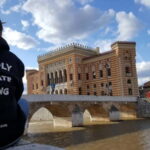

Markale Market: resilience you can see in one glance
Markale Market is a symbol of how Sarajevo endured, and it hits hardest when you understand it as more than a monument. The tour uses it as a turning point, so you don’t just learn that something happened there. You learn why the market mattered to daily life, and what isolation and danger did to the simplest routines.
Presidency Building: leadership under pressure
When the tour passes the Presidency Building area, it shifts from street survival to wartime command. Even if you don’t stop and enter, the guide’s explanation connects the political structure to what citizens faced. It’s a reminder that sieges are not only about food and fear, they are also about decision-making under constant threat.
TV Building: communication as survival
Wartime broadcasting and information channels are easy to underestimate until a guide frames them as a critical hub. The tour includes a pass-by of the TV Building, which helps you understand how communication kept morale and awareness alive, even when the outside world was distant.
Optional extra viewpoints, depending on the guide
Some guides also add extra layers on the ride back and forth. For example, one recent account mentioned ending up near the Yellow Fortress, which shows how flexible the story can be when your guide takes time with the route and your questions.
The Tunnel of Hope Museum: what you walk through and why it matters
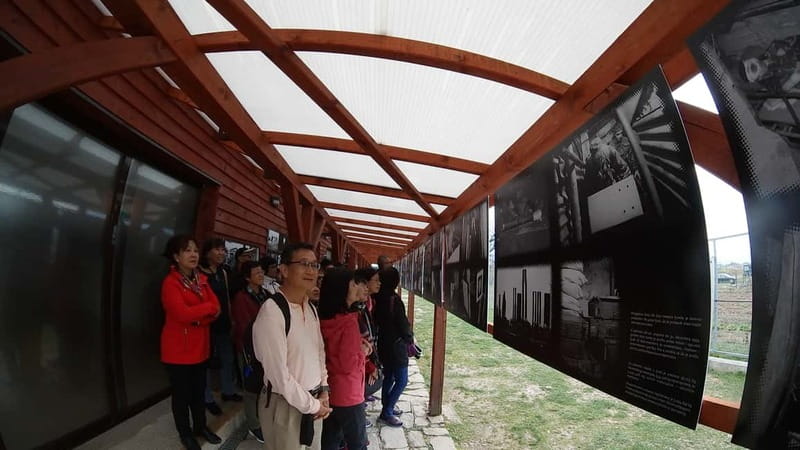
The real centerpiece is the Tunnel of Hope Museum area. This is where the tour stops being general history and becomes survival logistics.
The Tunnel of Hope was a connected passage that linked Sarajevo to the outside world during the siege. In practical terms, it helped with supplies, communications, and the basic human need to feel less trapped. The tour doesn’t treat it as a symbolic photo spot. It treats it like a system that people relied on.
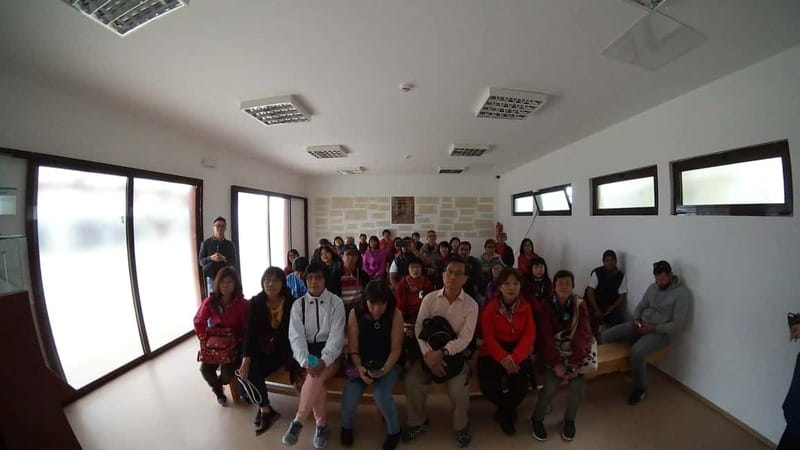
Before you go in, your guide sets expectations. Some visitors are surprised that you do not spend a full day underground. The visit is guided and structured, then you get a 15-minute window for personal time on-site.
One additional detail worth knowing: the tunnel experience is described as a replica portion. A recent guide explanation included that the original tunnel passes under the runway of the airport and is closed for safety reasons, so you’ll be walking through a replica. That means the setting aims to convey the experience faithfully, while the real original section remains restricted.
100 meters underground: the lesson is short, not gentle
You’ll go through 100 meters of the tunnel. That distance is not huge, but the psychological effect can be. You move in a tight space where the idea of normal life feels far away, and the guide’s narration keeps it grounded in real siege-era conditions.
Here’s what the tour experience is designed to help you understand:
- How survival worked day to day, not just in dramatic moments
- How danger shaped movement and routines, including what people had to plan for
- How isolation changed Sarajevo’s culture, and why the city’s post-war identity still carries traces of the siege
This is also where the “live guide” part becomes crucial. A museum alone is informative, but a guide who can connect objects and sections to personal accounts helps many visitors process the emotions without losing the facts.
In recent groups, multiple guides were described as military veterans or police and war-era survivors. That kind of first-hand framing is exactly why the tour can feel stronger than a self-guided visit.
Time to ask questions, then time to sit with it
After the guided portion around the tunnel setting, you get about 15 minutes of free time. I like that this is built in, because not everyone wants to rush through. If you want to read labels carefully, compare exhibits, or simply absorb the physical space for a moment, you can.
It’s also the moment when the tone becomes personal. The information can be factual, but it’s still about suffering. Your brain may need a minute to switch from learning mode to reflecting mode.
One practical note: facilities can be limited in situations like this. At least one person flagged that toilets were an ordeal for women. If that matters for you, plan ahead and don’t leave it to the last minute.
Price, tickets, and what you’re really paying for
The tour price is listed as $22 per person, with modern transportation and a licensed tour guide included. You also skip the ticket line for the Tunnel of Hope Museum, which saves time when you arrive.
One key cost is not included: the Tunnel of Hope Museum entrance fee. The adult ticket is 20 BAM (10.50€), and the student ticket is 8 BAM (4.50€). So your full cost will be the tour price plus the museum ticket.
Is it good value? For me, it depends on how you like to learn history. If you only want the tunnel as an attraction, you might feel the museum ticket is the main event. But if you want the story stitched together, the added value comes from:
- a guide who can explain the route you pass before you ever go underground
- time inside the tunnel setting with context, not just signage
- strong first-hand narration, which helps many people understand why the siege shaped modern Sarajevo
Also, the duration is tight at about 150 minutes. You’re not stuck for half a day, but you’re also not rushed like a 60-minute drive-by.
Practical tips that keep the day comfortable
This tour is simple, but a few details matter.
What to bring
Bring comfortable shoes and comfortable clothes. The tunnel walk is short, but you’ll want grip and support.
What to avoid
No pets. No oversize luggage. Large bags are not allowed. Also, alcohol and drugs are not allowed.
Mobility and access reality
The tour is not suitable for wheelchair users or people with mobility impairments. That’s partly because of the tunnel walk and partly because underground access does not work like a flat museum hallway.
Languages
The live tour guide is offered in German, French, Italian, Spanish, Bosnian, and English. If you prefer a specific language, check the available departures when you book.
Should you book this Tunnel of Hope tour
You should book if you want Sarajevo’s siege history explained in a way that connects streets to underground survival. I’d also book it if you care about context, not just facts, because the pass-by stops at Markale Market, the Presidency area, and the TV Building make the tunnel feel less like an isolated exhibit.
I’d think twice if:
- you know you are sensitive to war-related stories and might find the topic disturbing
- you need wheelchair access or have mobility limits that make a short underground walk difficult
If you’re planning a Sarajevo day and you want one experience that gives you both the geography and the human meaning, this one is a strong pick. For a $22 tour plus the museum ticket, you’re getting a guided route, a structured tunnel visit, and a storytelling style that aims to keep the siege from becoming abstract.
FAQ
How long is the Tunnel of Hope Tour?
The tour lasts about 150 minutes, roughly 2.5 hours.
Where do I meet for the tour?
You meet at the Sarajevo Insider Tour Office, Zelenih beretki 30, Sarajevo 71000, Bosnia and Herzegovina.
What does the tour price include?
It includes a licensed tour guide and modern transportation. The Tunnel of Hope Museum entrance ticket is not included.
How much is the Tunnel of Hope Museum ticket?
The entrance fee is 20 BAM (10.50€) per adult, and 8 BAM (4.50€) per student.
Is the Tunnel of Hope ticket line skipped?
Yes, the tour says you can skip the ticket line.
What languages are the guides available in?
The live tour guide is offered in German, French, Italian, Spanish, Bosnian, and English.
How much of the tunnel do you walk through?
You go through 100 meters of the tunnel.
Is this tour suitable for wheelchair users?
No. It is not suitable for wheelchair users or people with mobility impairments.
Can I cancel and get a full refund?
Yes. Free cancellation is available up to 24 hours in advance for a full refund.
Most recently added near Sarajevo
- Sarajevo : Private Walking Tour With A Guide (Private Tour)★ 5.0 · 1 review
- Sarajevo: Islamic Tour | 500+ years of Glorious Heritage★ 5.0 · 1 review
- Sarajevo: Srebrenica – A Journey of Remembrance★ 5.0 · 1 review
- Transfer tour Sarajevo-Dubrovnik★ 5.0 · 1 review
- Bunker: Tito’s Secret & Boracko Lake Tour from Sarajevo★ 5.0 · 1 review
- Svrzo House Entrance Ticket★ 5.0 · 1 review
- Thrilling Rafting Adventure on the Neretva River with Lunch★ 5.0 · 1 review
- Private transfer (FROM-TO) Sarajevo – Dubrovnik★ 5.0 · 1 review
Tunnel of Hope & Siege Sites, compared.
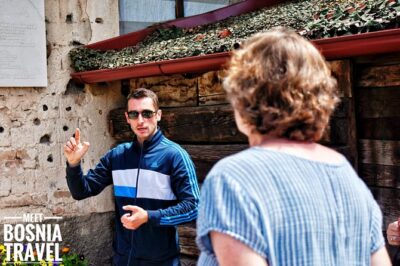
Fall of Yugoslavia, Sarajevo War Tour with Tunnel of Hope Museum and Frontlines
Read our review →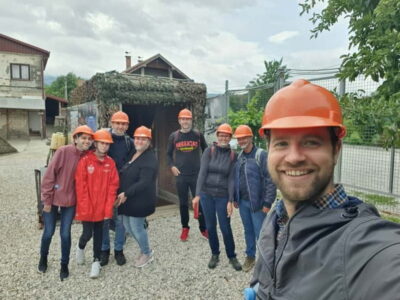
Tunnel Museum Yugoslavia War Tour with War Veteran
Read our review →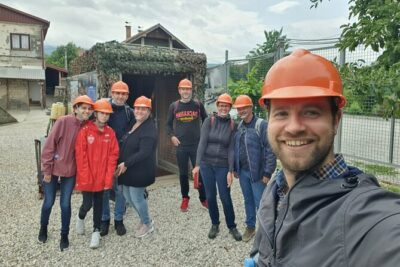
Tunnel Museum: Bosnian & Yugoslav Wars Tour with War Veteran
Read our review →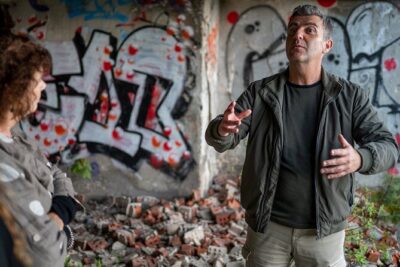
Sarajevo War Tour: A Veteran’s Story of the Siege (fees included)
Read our review →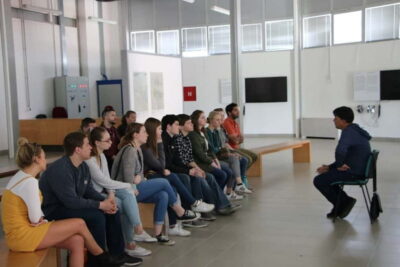
Srebrenica Genocide Study Tour with War Veteran
Read our review →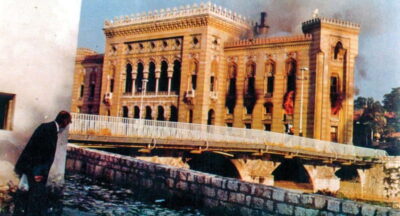
Break-up of Yugoslavia & The War in Mostar: Life Under Siege
Read our review →Browse the lists this tour appears in