
Reviewed · TUNNEL OF HOPE & SIEGE SITES
SARAJEVO SIEGE TIMES ’92-’95 / Sarajevo Roses & Tunnel of Hope /
Sarajevo’s past is written into the streets, but this tour teaches you how to read it. You get a focused route from the Yellow Fortress lookouts to the Tunnel of Hope, with a guide who connects the history to the geography you are actually standing on. I especially loved the personal, human details shared by Faruk, a former teenager during the war, and the way the tour ties each site to what daily life felt like. If you want a casual sightseeing stroll, the emotional content at several stops may feel intense.
This is also a practical way to cover a lot of ground in just 3 to 4 hours. You start early at 8:30 am with pickup, and the stops are timed so you can absorb each place without getting rushed. One consideration: you will be outside for parts of the route, so come prepared for the weather on the day you book.
In This Review
- Key points worth knowing before you go
- A Siege Tour That Explains the City, Not Just the Dates
- The Value of Paying Around $47.66 for a Short, Guided Route
- Pickup at 8:30 am, Then Right Into the Siege Story
- Stop 1: The Yellow Fortress and How Sarajevo’s Valley Sets the Scene
- Stop 2: Tunnel of Hope, the Only Blood Line
- Stop 3: Trebević Vidikovac for the War-Time Panoramic View
- Stop 4: The Olympic Bobsleigh and Luge Track as a War Line
- Stop 5: The Jewish Cemetery and the Reality of Sniper Fire
- What Makes the Tour Feel Personal: Faruk’s Story and Tone
- Who This Tour Is Best For
- Small Logistics That Matter on a 3 to 4 Hour Route
- Should You Book? My Honest Recommendation
- FAQ
- What time does the tour start?
- How long is the experience?
- Is pickup included?
- Is the tour in English?
- What is included in the price?
- How much is the Tunnel of Hope entrance fee?
- Is this a private tour?
- What if the weather is bad?
Key points worth knowing before you go
- Faruk as your guide, sharing personal Siege memories from his own youth
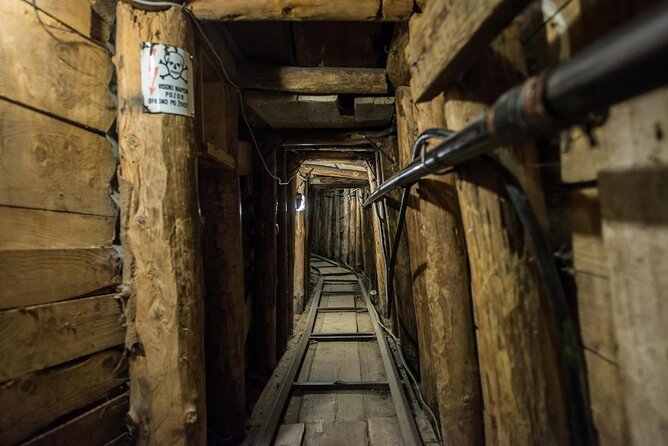
- Tunnel of Hope is the centerpiece, described as the city’s lifeline to the outside world
- Panoramic viewpoints that help you understand how the city’s layout affected the war
- War-era sites beyond the big headlines, including the Olympic bobsleigh and luge track
- A balanced tone, serious information paired with real humor so you can keep listening
Other siege-era sites around Sarajevo:
- Fall of Yugoslavia, Sarajevo War Tour with Tunnel of Hope Museum and Frontlines
★ 5.0 · 1,314 reviews - Sarajevo: Tunnel Museum Yugoslavia War Tour with War Veteran
★ 5.0 · 1,111 reviews - Sarajevo: Tunnel of Hope Tour – Survival and Resilience
★ 4.8 · 630 reviews - Tunnel Museum: Bosnian & Yugoslav Wars Tour with War Veteran
★ 5.0 · 551 reviews
A Siege Tour That Explains the City, Not Just the Dates
If you only learn facts about the Siege of Sarajevo from a book, you get the story. If you learn how it played out in the terrain and street layout, you get the why. That is what makes this experience feel different: you are shown how Sarajevo’s geography shaped what people could see, where they moved, and how the conflict unfolded from day to day.
I also liked that the pacing stays sensible. You are not asked to sprint from one landmark to the next. Instead, each stop has a clear purpose, from broad city views to specific war-time locations, with enough time to take it in.
And yes, it is heavy subject matter. But it does not turn into a grim lecture the whole way. Faruk’s humor and straightforward storytelling help keep the tone human, not staged. That matters, because you will remember how the facts were explained, not just what you saw.
The Value of Paying Around $47.66 for a Short, Guided Route
The price is $47.66 per person, for a 3 to 4 hour private tour in English, typically booked about 8 days in advance. On paper, that sounds simple. In practice, the value comes from three things that reduce hassle and increase impact.
First, you get pickup from your hotel or private accommodation. If you are staying in or near the central area, that saves both time and mental energy. Second, the tour includes admission fees for most stops, so you are not bouncing around paying extra for everything. Third, you get a guide who can connect multiple sites into one clear route, which is hard to replicate with self-guided wandering.
One extra cost to plan for: the Tunnel of Hope entrance fee is not included and is listed as €10. If you add that, you will be closer to the real total you should expect. Even with that, this format still tends to work out well for people who want a guided explanation, not a long day of research.
Pickup at 8:30 am, Then Right Into the Siege Story
You begin at 8:30 am, and you can count on the day starting with less friction. Pickup is offered from hotels or private accommodations. You just need to share your accommodation name and address so the morning collection can be organized.
The tour is private, meaning only your group participates. That is a big deal for a route like this, because you may want time for questions, or you may want your guide to adjust the pace to your comfort level. It also generally means you are less likely to feel like you are watching history through a crowd.
You will receive a mobile ticket, and the tour operates in English. If you book close to your travel date, confirmation is handled as soon as possible, subject to availability. As with most outdoor city routes, you should also watch for the weather, since the experience is described as requiring good weather.
Other Sarajevo trips worth comparing
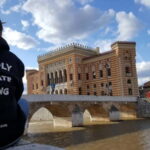
Stop 1: The Yellow Fortress and How Sarajevo’s Valley Sets the Scene
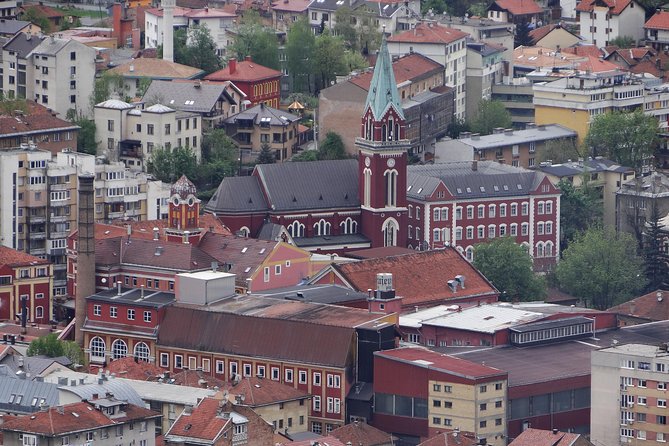
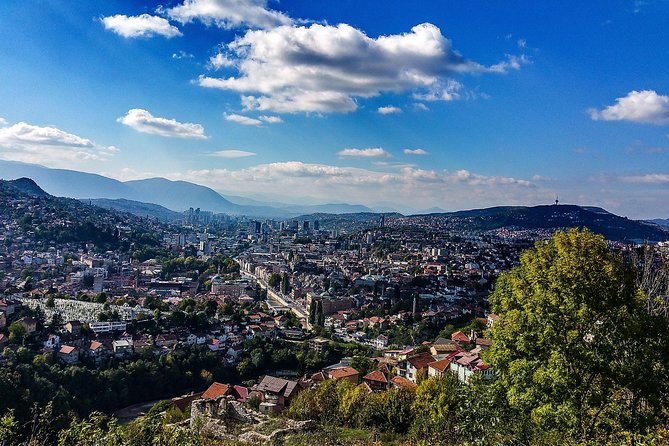
The Yellow Fortress is your first “big picture” stop. You get views over the Sarajevo valley, which instantly gives you context for everything that follows. If you have ever looked at a city map and wondered why certain places matter in a conflict, this is the kind of explanation that makes the map make sense.
From here, your guide introduces Sarajevo across different periods, including the fall of Yugoslavia. That gives you a smoother timeline than just starting at the Siege itself. Then you move into the Siege story, with an emphasis on how attacks began and how the city’s layout affected what happened during those earliest days.
You also get specifics that are easier to understand once you are standing in a high viewpoint, such as how sniper street cross-sections relate to the urban geography. In plain terms, you are learning how lines of sight and elevation can turn streets into danger zones.
Practical tip: dress for changing light. Early views can look great for photos, but the wind on high ground can be chilly. Bring a light layer so you can stay comfortable during the short, focused visit.
Stop 2: Tunnel of Hope, the Only Blood Line
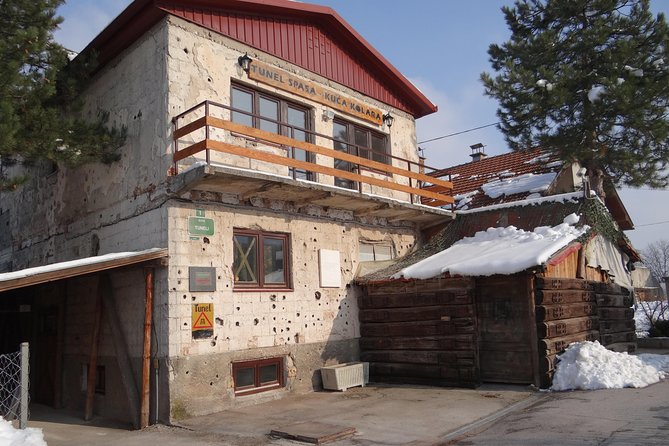
If the route has one true centerpiece, it is Sarajevo War Tunnel, also called the Tunnel of Hope. You will spend about 1 hour here, and admission to the Tunnel of Hope itself is listed as an additional €10 per person.
This stop is emotionally intense for a simple reason: the tunnel is framed as the only way out of the city during the 1993 to 1995 Siege period. It is also presented as the only connection with the rest of Bosnia and the world.
That framing matters because it changes how you think about the tunnel. It is not just a historical structure. It is presented as lifeline infrastructure, meaning people relied on it when normal routes were cut off.
What makes the stop valuable in a guided format is the explanation of why it existed, what it meant day to day, and how it fits into the Siege timeline. You are not only looking at a “thing that remains.” You are hearing why it mattered while it was in use.
Practical tip: expect the tunnel experience to be more absorbing than scenic. Keep your phone light setting ready for darker areas, if you choose to take photos. If you are sensitive to war-related spaces, pace yourself and take breaks if needed.
Stop 3: Trebević Vidikovac for the War-Time Panoramic View
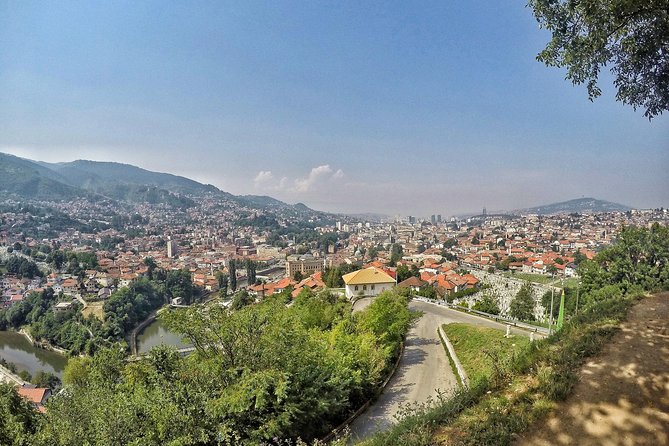
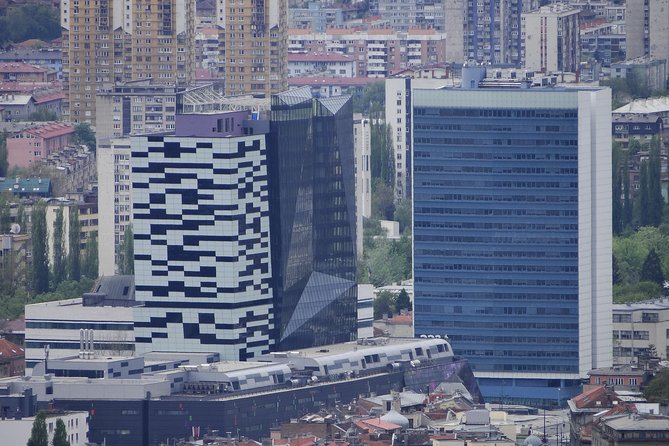
Next up is Trebević Vidikovac, a short stop at about 15 minutes. It is all about viewpoint and perspective. From here, you get another chance to see Sarajevo from above, so the Siege story becomes spatial instead of purely historical.
A panoramic view does more than look good. It helps you connect your earlier understanding from the Yellow Fortress with what the conflict meant on the ground. Your guide uses the landscape to explain the war line concept, so the valley no longer feels like background. It becomes part of the story.
This is also a good time to reset your brain between heavier stops. You will still be thinking about what you are learning, but the pace is lighter because the time on site is brief.
Practical tip: if you are prone to motion sickness or get dizzy with height, keep your focus on stable viewpoints and take slow breaths before stepping to the edge for photos. The stop is short, so you can enjoy it without lingering too long.
Stop 4: The Olympic Bobsleigh and Luge Track as a War Line
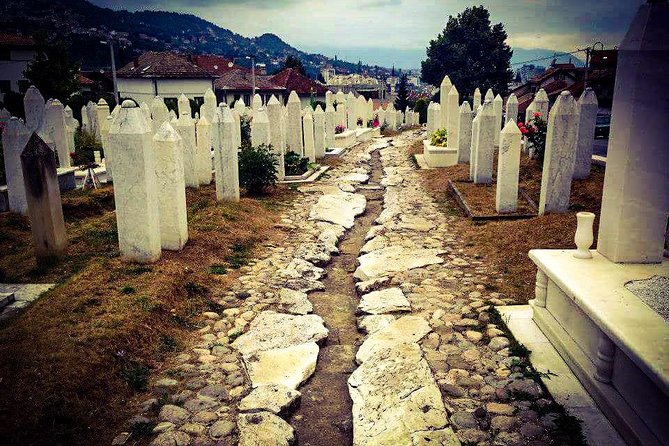
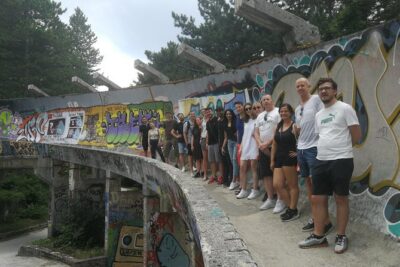
At about 50 minutes, Sarajevo Olympic Bobsleigh and Luge Track is the longest stop after the tunnel. On normal days, you might imagine sports and speed. In the Siege context, it is presented as a war line.
That contrast is striking. It also helps you understand a key Siege lesson: cities do not become war zones by accident. They become them because people adapt whatever infrastructure exists, and because control of movement and sightlines can be crucial.
Your walk along the bobsled track is described as an adventure walk tied directly to war-time geography. Your guide uses it to explain how areas used for recreation or sport could take on completely different meaning when the city was surrounded.
This stop is a great example of why the guided format matters. If you were standing on the track alone, you might see the structure. With a guide, you learn the reason it fits the Siege story.
Practical tip: wear shoes with grip. Even if the surfaces are not clearly slippery, track areas can be uneven. Bring a water bottle if you tend to get thirsty in the morning, since the route is a mix of viewpoints and walking.
Stop 5: The Jewish Cemetery and the Reality of Sniper Fire
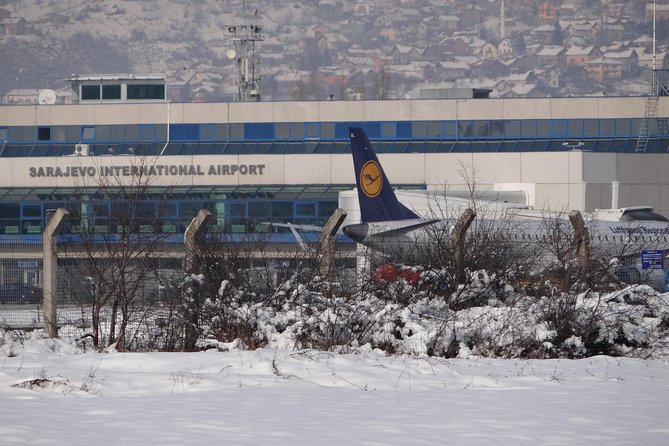
The final major stop is Jewish Cemetery, about 20 minutes. This is described as involving war sniper positions and includes an explanation of the first sniper shoots at civilians.
There is no way to make that kind of information “fun.” But this stop is important because it anchors the Siege story in harm inflicted on civilians, not just military maneuvering. It also ties back to earlier explanations about how street lines and sightlines made ordinary movement dangerous.
You will likely feel the emotional weight more here than anywhere else. That is not a failure of the tour. It is the point. Sarajevo is full of memorial layers, and this cemetery stop is one of the ways the route ensures you do not treat the Siege as abstract history.
Practical tip: keep your camera put away if you feel uncomfortable. You can still absorb the space respectfully without taking photos. If you want to ask questions, this is a good place to do it, since the route has built enough context to support deeper understanding.
What Makes the Tour Feel Personal: Faruk’s Story and Tone
One of the most praised aspects of this experience is the guide. Faruk is highlighted for having lived through the war as a young teenager, and for being able to explain the geography using real memory. That kind of storytelling changes how you remember the places. You stop treating them like stops on an itinerary and start treating them like chapters.
The other reason his approach works: he is described as friendly, with a good sense of humor. That does not remove the seriousness. It simply prevents the tour from becoming one-note. When a guide can shift between painful details and a lighter moment, you stay able to listen, and you absorb more overall.
If you prefer a tour where questions are welcome and the guide can tailor explanations to what you care about, this is a strong fit. And because it is private, you are not stuck listening while others talk over you.
Who This Tour Is Best For
This tour suits you if you want more than sightseeing and you like understanding how places work in real life, not just what they look like. I think it fits especially well for people who appreciate context: history, yes, but also the geography and day-to-day reality behind it.
It is also a good match if you are a first-time visitor to Sarajevo and want one coherent route that covers major Siege-related locations. The short total duration makes it easier to fit into a multi-day plan.
If you are extremely sensitive to war content, you might still be able to do it, but you should go in with eyes open. Several stops are explicitly described as involving snipers, civilian harm, and Siege suffering.
Small Logistics That Matter on a 3 to 4 Hour Route
Because the tour is around 3 to 4 hours, small choices affect your comfort. Wear layered clothing for morning conditions, especially for the elevated viewpoints. Bring comfortable walking shoes for the Olympic track area.
Also, plan your schedule so you have time to process afterward. This kind of tour can sit with you for a while, even when it is explained in a balanced way.
If you are asking about value and stress, remember the tour includes admission fees for most stops and offers pickup, which removes two common friction points. Tunnel of Hope is the one major additional fee listed, €10 per person.
Should You Book? My Honest Recommendation
I would book this tour if you want a guided Siege route that explains the city’s geography, not just the timeline. The Tunnel of Hope stop is a natural anchor, but what really makes it worth your time is the way viewpoints and war-era sites connect into one understandable story, led by Faruk with personal perspective and a humane tone.
Book it if you like learning through place-based storytelling, and if you can handle serious topics respectfully. Skip it if you are looking for a light, purely scenic morning. This is history with teeth, but it is also guided in a way that helps you keep your footing emotionally.
If you want Sarajevo to make sense quickly, and you like practical tours that pack meaning into a half-day, this is a smart use of your time.
FAQ
What time does the tour start?
The tour starts at 8:30 am.
How long is the experience?
Plan for about 3 to 4 hours.
Is pickup included?
Pickup is offered from hotels or private accommodations. You just need to share your hotel name or address.
Is the tour in English?
Yes, it is offered in English.
What is included in the price?
Admission fees are included for the listed stops, but the Tunnel of Hope entrance fee is not included.
How much is the Tunnel of Hope entrance fee?
The Tunnel of Hope entrance fee is €10.00 per person, and it is not included in the tour price.
Is this a private tour?
Yes. It is a private tour/activity, so only your group participates.
What if the weather is bad?
The experience requires good weather. If it is canceled due to poor weather, you will be offered a different date or a full refund.
Most recently added near Sarajevo
- Sarajevo : Private Walking Tour With A Guide (Private Tour)★ 5.0 · 1 review
- Sarajevo: Islamic Tour | 500+ years of Glorious Heritage★ 5.0 · 1 review
- Sarajevo: Srebrenica – A Journey of Remembrance★ 5.0 · 1 review
- Transfer tour Sarajevo-Dubrovnik★ 5.0 · 1 review
- Bunker: Tito’s Secret & Boracko Lake Tour from Sarajevo★ 5.0 · 1 review
- Svrzo House Entrance Ticket★ 5.0 · 1 review
- Thrilling Rafting Adventure on the Neretva River with Lunch★ 5.0 · 1 review
- Private transfer (FROM-TO) Sarajevo – Dubrovnik★ 5.0 · 1 review
Tunnel of Hope & Siege Sites, compared.
Fall of Yugoslavia, Sarajevo War Tour with Tunnel of Hope Museum and Frontlines
Read our review →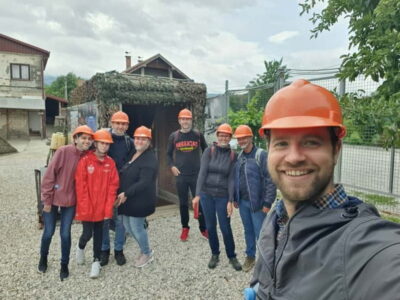
Tunnel Museum Yugoslavia War Tour with War Veteran
Read our review →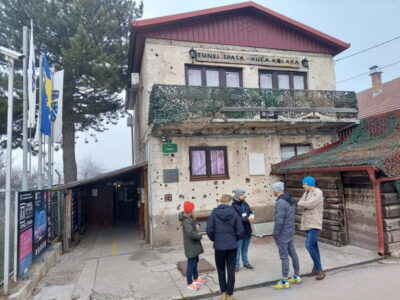
Tunnel Museum: Bosnian & Yugoslav Wars Tour with War Veteran
Read our review →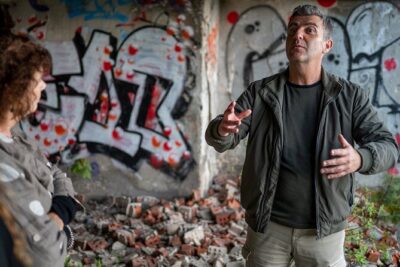
Sarajevo War Tour: A Veteran’s Story of the Siege (fees included)
Read our review →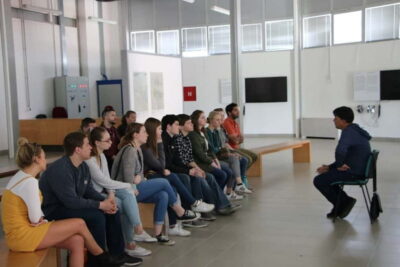
Srebrenica Genocide Study Tour with War Veteran
Read our review →
Browse the lists this tour appears in