
Reviewed · TUNNEL OF HOPE & SIEGE SITES
Mostar: Sarajevo Grand Tour with Tunnel of Hope Museum
Siege stories have a way of sticking. This day tour strings together Tunnel of Hope and Sarajevo’s living present, plus big viewpoints from Trebevic Mountain, all with English guides like Adnan and Enes bringing it down to earth. I also love that you get more than one kind of learning, from a museum presentation to an old-town walking tour where you can literally hear the city’s faiths in the same block.
One thing to keep in mind: it is a full day with tight timing, and the big museum entrance and lunch are extra, so you need to budget a bit beyond the $76 ticket.
In This Review
- Key highlights you will feel in your day
- Mostar to Sarajevo by road and a first taste of Bosnia in Konjic
- Konjic stop: where “4,000 years” becomes something you can see
- Tunnel of Hope Museum and the Sarajevo Rose: the siege explained in plain language
- Trebevic Mountain and the 1984 Olympic track you can actually walk on
- Jewish Cemetery by Trebevic: Stecak-shaped tombstones and a quieter kind of learning
- Sarajevo Old Town walking tour: Ottoman, Catholic, Orthodox, and Jewish next to each other
- Price and logistics: what $76 really buys, and what costs extra
- The guides and the small-group feel that shape the day
- Who should book this tour, and who should skip it
- Should you book the Sarajevo Grand Tour with Tunnel of Hope from Mostar?
- FAQ
- How long is the tour?
- What is included in the price?
- Do I need to pay the Tunnel of Hope Museum entrance fee?
- Is lunch included?
- How does the return to Mostar work?
- Is the tour suitable for mobility impairments?
Key highlights you will feel in your day
- War-veteran perspective at Tunnel of Hope, with a personal, human explanation of the siege
- Trebevic Mountain + Sarajevo Olympic bobsleigh/luge track, including time to walk the former run
- Second-largest Jewish cemetery in Europe, with tombstone shapes linked to the Stecak tradition
- Old Town walking tour focused on how Ottoman, Austro-Hungarian, and Yugoslav influences sit side by side
- Convenient transport from Mostar, including hotel pickup and an option with a return train ticket
Other siege-era sites around Sarajevo:
- Break-up of Yugoslavia & The War in Mostar: Life Under Siege
★ 5.0 · 136 reviews - Fall of Yugoslavia, Sarajevo War Tour with Tunnel of Hope Museum and Frontlines
★ 5.0 · 1,314 reviews - Sarajevo: Tunnel Museum Yugoslavia War Tour with War Veteran
★ 5.0 · 1,111 reviews - Sarajevo: Tunnel of Hope Tour – Survival and Resilience
★ 4.8 · 630 reviews
Mostar to Sarajevo by road and a first taste of Bosnia in Konjic
Mostar to Sarajevo is a long enough ride that you will appreciate having air-conditioned transport and a driver doing the hard part. The tour typically starts with pickup outside your hotel in Mostar, and the driver holds a sign with your last name, which is a small detail but it helps you get out the door fast.
The first scheduled stop is Konjic, a town with archaeological traces dating back about 4,000 years. Written documents go back to the 14th century, but the look of today’s town really formed when the Ottomans arrived. I like Konjic as a warm-up because it places Sarajevo in a wider Bosnian story before you hit the emotional center of the day.
If you hate rushing, know that Konjic is a quick, leg-stretching moment. It is not the kind of stop where you will have time to wander deeply, but it does set the scene.
Konjic stop: where “4,000 years” becomes something you can see
Konjic is one of those places where the numbers matter. The tour gives you the time context up front, and once you are there, you can connect the dots: early layers of life, then later documents, and then the Ottoman influence shaping what you see now.
Practical tip: wear comfortable shoes. Even if the walking is not long, you will move between viewpoints and entrances all day, and Trebevic later makes footwear matter more.
Tunnel of Hope Museum and the Sarajevo Rose: the siege explained in plain language
Tunnel of Hope is the anchor of the whole tour. You will learn where the museum sits and the significance of the mark outside the entrance called Sarajevo Rose. That visual cue is useful because it turns the museum from a standalone building into a piece of the city’s survival story.
Inside, the experience starts with a short movie, then you get a presentation that runs about one hour. The story covers the fall of Yugoslavia, the war in Slovenia, Croatia, and Bosnia and Herzegovina, and then why the tunnel mattered and how it worked in daily life during the siege.
What makes this stop feel different is the guide who leads it. On the tour I’m describing here, guides like Adnan (a war veteran) have a way of making the information personal without turning it into vague talking. You get an in depth perspective that helps you understand what “hope” meant in practice, not just as a museum name.
Two practical notes:
- The museum entrance fee is not included, so budget for that separately.
- This tour includes skipping the ticket line, which saves time when you are already on a schedule.
More museums and collections in Mostar:
Trebevic Mountain and the 1984 Olympic track you can actually walk on
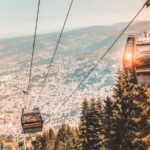
After the tunnel, the route climbs toward Trebevic Mountain. Trebevic is the closest mountain to the center of Sarajevo, and it was part of the front line during the siege. That matters, because the views here are not just scenic. They carry historical weight.
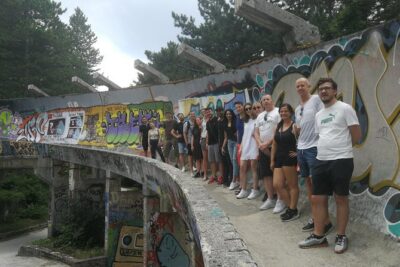
At the Olympic site from the 1984 Winter Games, you can walk on the former bobsleigh and luge track. You will also get panoramic views over Sarajevo, which is exactly what you would expect from a mountain position. But here, you are seeing the same terrain that shaped military advantage during the conflict.
This is one of the most memorable parts of the day because it makes the geography physical. It also means the stop works best if you are okay with standing and walking on uneven surfaces for a while. Comfortable shoes are not optional.
Jewish Cemetery by Trebevic: Stecak-shaped tombstones and a quieter kind of learning
Just under Trebevic Mountain lies the second-largest Jewish cemetery in Europe. It is a meaningful stop because it shifts the day from siege history toward a longer, layered community story.
The cemetery is known for tombstone shapes that are unique in this region, with designs believed to be influenced by medieval Bosnian tombstones called Stecak. I like this part of the itinerary because it teaches you something visual and specific, not just dates and names. You get to look, notice patterns, and understand how local traditions traveled across cultures.
Time here tends to be practical and self-paced. It is not described as a long, drawn-out experience, so you get enough time to observe without feeling like you are stuck.
Sarajevo Old Town walking tour: Ottoman, Catholic, Orthodox, and Jewish next to each other
Lunch usually happens after the cemetery, in central Sarajevo with a traditional Bosnian meal. Lunch is not included in the tour price, but having it planned into the day helps, because you avoid the “where do we eat now” scramble.
Then you shift into the walking tour of Sarajevo Old Town. This is where you start to feel why Sarajevo is often described as a city of overlaps. Your guide points out Ottoman, European, and Yugoslav influences, and you see Muslim, Catholic Christian, Orthodox Christian, and Jewish architecture within minutes of each other.
One of the best parts of this section is that it is sensory, not just visual. You can hear Muslim calls to prayer from nearby areas while church bells ring nearby too. The tour also connects those religious landmarks to major historical turning points, including the assassination that triggered World War I, and how Muslims and Jews protected each other through different wars.
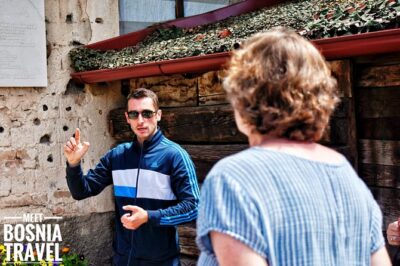
Guides in this role can make it lively. Enes, for example, has been described as humorous and entertaining while still explaining the city clearly, with stories and voices that help you remember what you just saw.
If you like history but hate long lectures, this part hits the sweet spot because you are walking, looking, and learning at the same time.
Price and logistics: what $76 really buys, and what costs extra
The price is listed at $76 per person, and for a full 8 to 11 hour day it can be good value if you want guided context plus transport out of Mostar. What’s included is more than a basic city walk:
- Hotel pickup and drop-off connected to Sarajevo, plus pickup outside your Mostar hotel (with driver sign)
- An English-speaking tour guide
- Air-conditioned transportation
- A bottle of water
- Skip-the-ticket-line service
- Train ticket back to Mostar for the round trip option
What is not included:
- Tunnel of Hope Museum entrance fee
- Lunch
- Personal expenses
So you should think of the $76 as covering the guided day and transport, while paying museum entrance and lunch on top. If you are the type who prefers to control your own food choices, you might enjoy picking lunch yourself, but the tour does make it easier by scheduling a traditional lunch stop.
Also, timing matters. This is the kind of day where the order of stops is designed to keep momentum, so if you want extra time in Sarajevo after Old Town, this may feel short.
The guides and the small-group feel that shape the day
The most praised aspect of this tour is the guide quality. You might get a tunnel portion led by someone like Adnan, who brings a war veteran perspective that turns the museum presentation into lived understanding. In the Old Town portion, guides like Enes have a knack for combining humor with clarity.
There are also signs that the experience is designed for smaller group settings. The tour notes private or small groups available, which usually helps keep questions from getting swallowed by a large crowd.
Still, be aware that execution details can vary. One person reported that the arrangement they experienced was slightly different from what was listed, because the driver who picked them up from Mostar was not aware of a specific part of the plan. Another mentioned that the planned drive time from Mostar might be closer to 2.5 hours in reality, and one transport drop-off promise at the end of the day was not exactly followed. None of that changes the core value, but it tells you to keep a flexible mindset and ask the meeting point and return plan clearly the day before.
Who should book this tour, and who should skip it
This tour is a strong fit if you want a structured day that connects multiple parts of Sarajevo and Bosnia in one go: a major museum, a mountain with siege context, a cemetery with distinctive tombstone traditions, and an Old Town walking tour focused on mixed communities.
You may want to skip it if you have mobility concerns, because the description also states it is not suitable for people with mobility impairments. At the same time, the listing information includes a wheelchair accessible note, so the safest approach is to check directly with the provider about your specific needs before booking. The day includes walking on and around outdoor sites, including the Olympic track area.
Best time to choose this: when you have limited time in the region and you want guided meaning rather than solo guesswork.
Should you book the Sarajevo Grand Tour with Tunnel of Hope from Mostar?
I think you should book this tour if you value a guided line from tragedy to survival to city life, and you want that line delivered in English by guides who can explain both the facts and the human context. The combination of Tunnel of Hope, Trebevic’s former Olympic track, and the Old Town walking tour creates variety without breaking the day into separate trips.
It might not be your best choice if you want lots of free time in Sarajevo, or if you dislike paying extra for major attractions and lunch. But if you like a packed, purposeful day where you come away with a much clearer mental picture of Sarajevo, this one is a solid bet from Mostar.
FAQ
How long is the tour?
The duration is listed as 8 to 11 hours, depending on availability and starting time.
What is included in the price?
Included items are hotel pickup and drop-off (as described for Sarajevo), an English-speaking tour guide, air-conditioned transportation, a bottle of water, and a train ticket back to Mostar for the round trip option.
Do I need to pay the Tunnel of Hope Museum entrance fee?
Yes. The Tunnel of Hope Museum entrance fee is not included.
Is lunch included?
No. Lunch is not included.
How does the return to Mostar work?
For the round trip option, a train ticket back to Mostar is included. The exact end-of-day transfer details can vary by setup, so it’s worth confirming meeting points with the operator.
Is the tour suitable for mobility impairments?
The information provided says it is wheelchair accessible, but it also states it is not suitable for people with mobility impairments. If you need accessibility support, confirm your situation directly with the provider before booking.
Most recently added near Mostar
- Going North and visit Sarajevo in a Day Tour from Mostar★ 5.0 · 1 review
- The Ottoman Experience Tour in Mostar★ 5.0 · 1 review
- Authentic Antique Museum Home★ 5.0 · 1 review
- Mostar: Private Walking Tour with Local Guide★ 4.0 · 1 review
- Top Secret Tito’s Bunker in a day tour from Mostar★ 5.0 · 1 review
- City Tour: Mostar Medival Town★ 5.0 · 1 review
- Wine Tour & Tasting (Herzegovina)★ 5.0 · 1 review
- Mostar Sunset Walking Tour with Wine Tasting★ 5.0 · 1 review
Tunnel of Hope & Siege Sites, compared.
Fall of Yugoslavia, Sarajevo War Tour with Tunnel of Hope Museum and Frontlines
Read our review →
Tunnel Museum Yugoslavia War Tour with War Veteran
Read our review →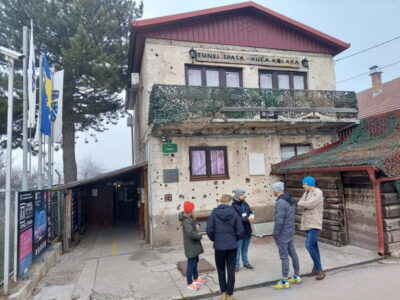
Tunnel Museum: Bosnian & Yugoslav Wars Tour with War Veteran
Read our review →
Sarajevo War Tour: A Veteran’s Story of the Siege (fees included)
Read our review →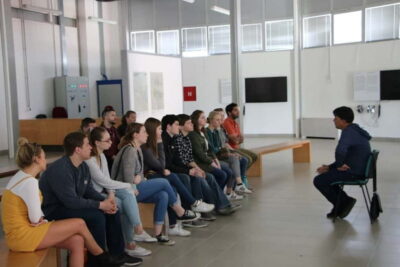
Srebrenica Genocide Study Tour with War Veteran
Read our review →
Browse the lists this tour appears in