
Reviewed · MUSEUMS
Authentic Antique Museum Home
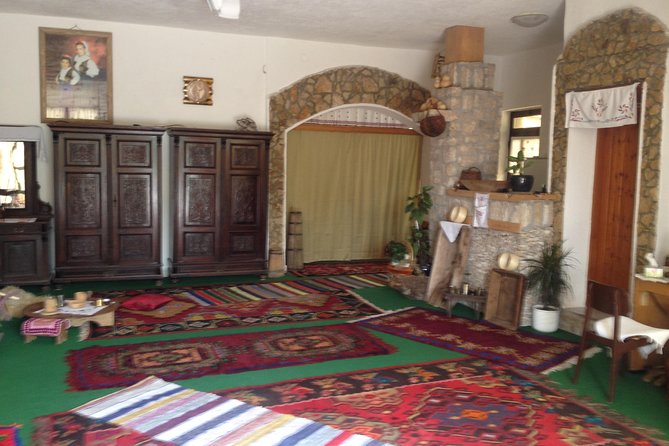
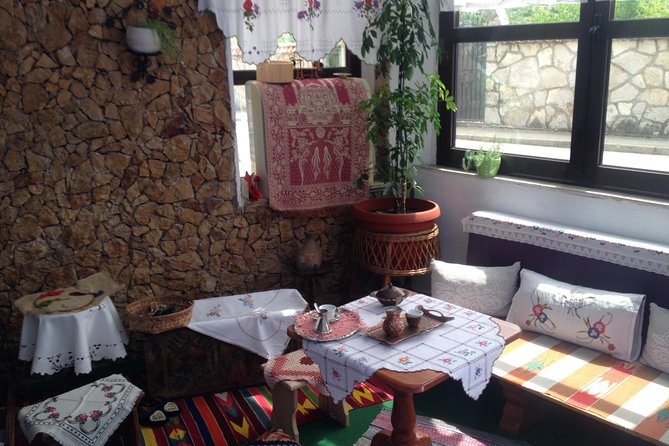
A home museum can feel like time travel. Here, traditional Bosnian home life becomes the main exhibit, with rooms, artifacts, and even the garden context you can walk through at your own pace. I love how hands-on it feels, from the low-table seating to the way everyday objects are placed where people actually would have used them. I also like the exterior details, since the house itself is built with rock, fine stone, and wood ornamentation. One possible drawback: it is a small, intimate visit, so if you want big, famous sights, this might feel quiet, and it also needs good weather.
Prebooking is a smart move here because you are planning your day around a specific experience, not hoping you can fit it in last minute. You will also get a simple mobile ticket, which keeps things easy. And if you choose the upgrade, you can add traditional Bosnian coffee and snacks for a more complete, sit-down style experience.
In This Review
- Key things to know before you go
- Why an antique house museum is a great Mostar add-on
- Stepping inside: rooms built for living, not posing
- The oven, the details, and why you should ask questions
- Outside in the garden: fruit trees you can actually picture
- Blagaj context: the Buna spring and the Tekke nearby
- A realistic visit length: 2 to 3 hours, open late
- Price and value: is $3.80 worth it?
- Who this museum fits best, and who should skip it
- Should you book the Authentic Antique Museum Home visit?
- FAQ
- How long is the Authentic Antique Museum Home visit?
- Where is this experience located?
- How much does it cost?
- Do I get a mobile ticket?
- Are there upgrades available during the visit?
- What are the opening hours?
- What is the cancellation policy?
- What if the visit cannot run due to weather or group size?
Key things to know before you go
- Everyday life is the star, not just decorative antiques
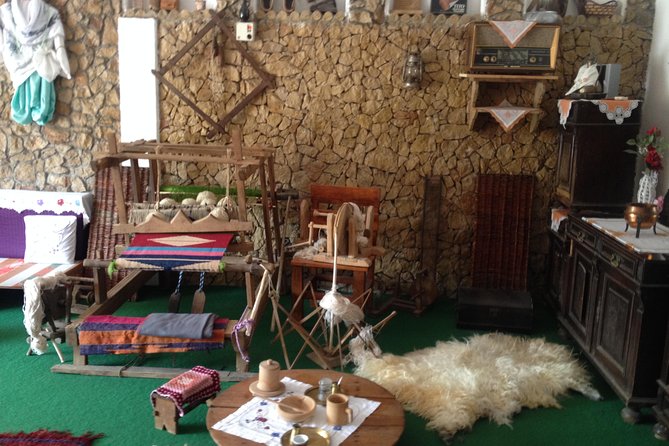
- Low-table seating and a samovar help you picture how guests gathered
- Hand-built stone and wood details make the house part of the show
- Garden fruit trees like pomegranate, fig, and kiwi add real local flavor
- Two to three hours is enough time without taking over your whole day
- Bosnian coffee and snacks are available as an upgrade
More museums and collections in Mostar:
- Mostar: Sarajevo Grand Tour with Tunnel of Hope Museum
★ 5.0 · 17 reviews - Fall of Yugoslavia, Sarajevo War Tour with Tunnel of Hope Museum and Frontlines
★ 5.0 · 1,314 reviews - Sarajevo: Tunnel Museum Yugoslavia War Tour with War Veteran
★ 5.0 · 1,111 reviews - Tunnel Museum: Bosnian & Yugoslav Wars Tour with War Veteran
★ 5.0 · 551 reviews
Why an antique house museum is a great Mostar add-on
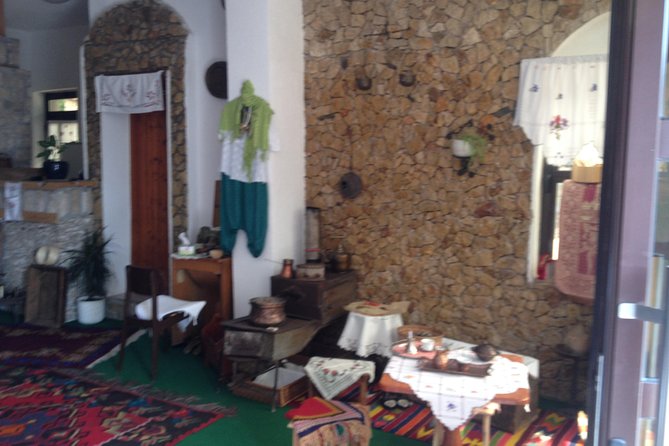
Mostar gets all the attention for its dramatic old-town feel, but I like pairing it with something quieter that explains daily life. This Authentic Antique Museum Home focuses on how people in Bosnia and Herzegovina actually lived, worked, and hosted visitors. Instead of treating history like a distant display behind glass, you walk through rooms and a garden where the objects are arranged to make sense as a lived-in home.
The setting also helps your brain switch gears. When you stand next to a fireplace oven, see the seating style, or notice the way a home is built with stone and wood, local culture becomes practical. You start connecting words you hear in town, like hospitality and family visits, to physical details you can actually point at.
Also, this is an easy fit for a day trip mindset. Plan about two to three hours, then keep the rest of your schedule flexible for Mostar or Blagaj sights.
Stepping inside: rooms built for living, not posing
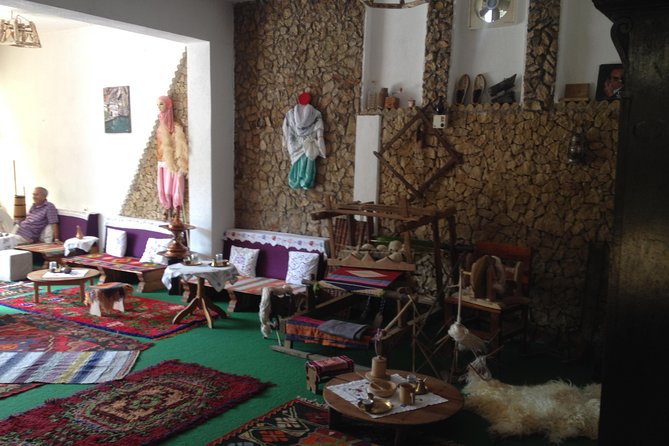
The strongest part of this visit is how the museum recreates ordinary home scenes. You get a feel for traditional life through the layout and the items placed in context. One review highlighted how the seating setup matters, especially the low table where people would gather. That small detail makes a bigger difference than you might expect. It changes how you imagine conversations, how visitors sit when friends and family drop by, and how the home functions as a social space.
The interior also includes a samovar, a key object for understanding the rhythm of hosting. When tea or coffee service happens around a shared centerpiece, you see how hospitality works as more than manners. It becomes a routine that shapes rooms and schedules.
You may also notice areas designed around visiting and sharing time, not just storage. There can be a sense of “people were here yesterday,” which is exactly what you want from a house museum. A home feels personal, so even short visits can leave you with clearer impressions than browsing a shelf of separate items.
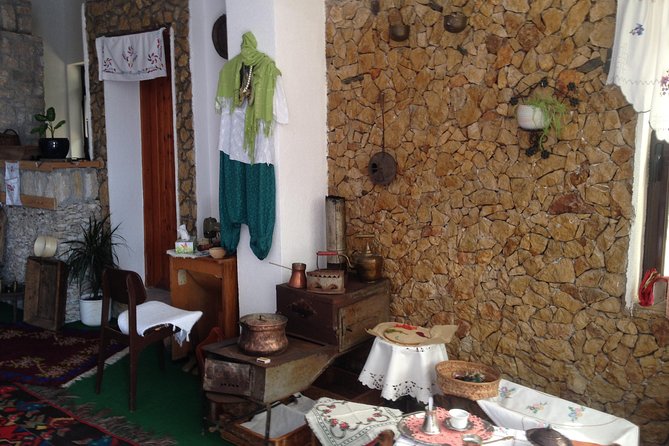
And the house materials matter, too. Reviews point out a structure that is hand-built with rock and fine stone, plus wood ornamentation. When the craftsmanship is visible, you understand that antiques are not only objects. The building itself becomes part of the storytelling.
The oven, the details, and why you should ask questions
In a lot of museums, you read labels and move on. Here, you are encouraged to ask questions of the hosts. That changes the experience from passive to interactive, and it is where you often learn the little things that never make it onto a caption.
For example, one highlight is the presence of a fireplace oven. That kind of feature is easy to overlook if you only focus on furniture. But when you see it in a home setting, you understand why rooms might be arranged around heat, cooking, and everyday activity. It also helps you grasp why certain objects stay in practical use for years.
The host relationship is part of the value. Even if you do not speak the local language, you can ask simple questions about what something is used for, or why it is kept in the home. You will leave with a clearer picture of how traditional households functioned, especially as a place where visitors were welcomed.
Other Mostar trips worth comparing



Outside in the garden: fruit trees you can actually picture
The museum experience includes the garden, and that is a big part of why this place feels authentic. Garden spaces translate the museum from indoor display to real household life. You can look around and imagine chores, seasonal rhythms, and where families might spend time.
One of the most memorable garden details mentioned is the presence of fruit trees, including pomegranate, fig, and kiwi. That is not just pretty scenery. It gives you context for why certain homes feel tied to the land, because food production and storage would have mattered day to day.
If you are the type who likes small, specific sensory details, this garden is worth your attention. You are not just walking through a yard. You are seeing how the home connects to the region’s natural cycle.
Blagaj context: the Buna spring and the Tekke nearby
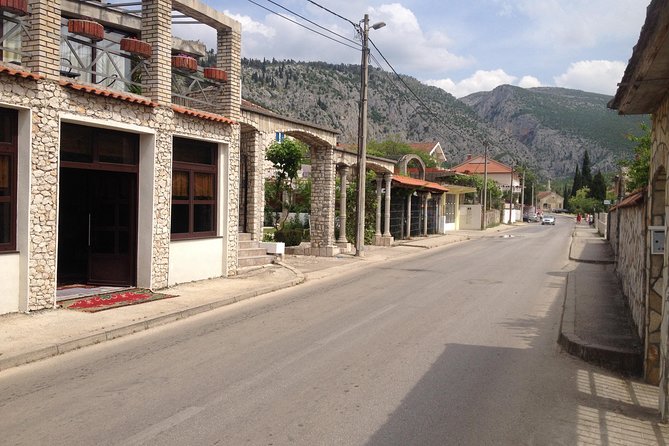
This museum sits in the orbit of Blagaj, a village-town south of Mostar in the Mostar basin region. Blagaj is known for its mix of urban and rural character, and one helpful way to understand why that matters is to see how it sits at the spring of the Buna river. When you place the museum in that landscape, it makes the household details feel more grounded.
Blagaj also has a cultural landmark that shapes the area: the Blagaj Tekke, a dervish monastery built around 1520. It is associated with Ottoman architecture and Mediterranean styling, and it is considered a national monument. Even if your main goal is the antique house, knowing that a major historical religious site sits nearby helps you understand the broader history of the region.
There is also a meaning behind the name that adds a fun mental hook. Blaga in Serbo-Croatian means mild, and Blagaj is thought to be named for its mild weather patterns. That kind of detail matters because it nudges you to think about why people built homes and community spaces where they did.
A realistic visit length: 2 to 3 hours, open late
This experience is designed to fit into a busy sightseeing schedule. Expect about two to three hours, which is long enough to see rooms, artifacts, and the garden properly, but short enough that you will not feel trapped.
It is also open daily from 9:00 AM to 9:00 PM. That late opening window is useful. If your day in Mostar runs longer than expected, you can still catch this experience without rushing.
One practical consideration: it requires good weather. If conditions are poor, the experience can be canceled and you will be offered a different date or a full refund. So if you are planning around it, keep at least one alternative time slot in mind.
Price and value: is $3.80 worth it?
At $3.80 per person, the price is low enough that you can treat this as an “insider-style” stop. It is not trying to compete with the big-ticket icons. Instead, you are paying for a concentrated look at household life, in a real home setting, with a host who answers questions.
When I look at value, I ask: do you leave with new understanding, not just photos? Here, you are likely to leave with clearer mental images. The low-table seating, samovar, visiting areas, fireplace oven, and the stone-and-wood construction give you multiple entry points into how people lived, hosted, and cooked.
There is also an upgrade option for traditional Bosnian coffee and snacks. You do not have to buy it, but it can make sense if you want the experience to feel more complete. It turns the visit into something closer to a hosted break, instead of just a walk-through. If you like taking in culture through food and routine, this upgrade is where the money turns into an extra memory.
Who this museum fits best, and who should skip it
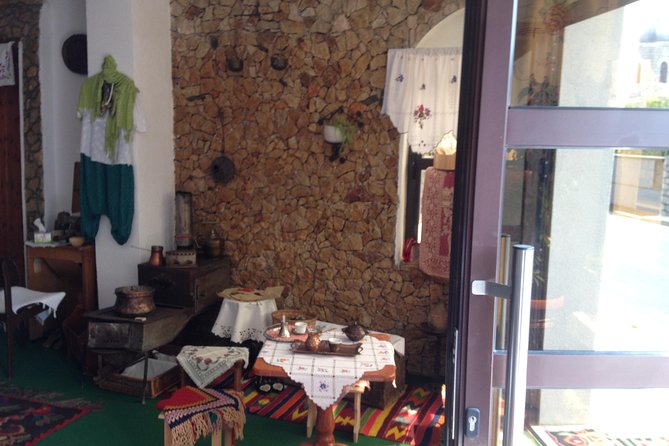
This is a strong match if you care about everyday culture and you enjoy slower, intimate experiences. It is also a good fit if you like photo-worthy details, but your real interest is context. The house layout and the way objects connect to daily life are the point.
It can work well for many types of visitors because the format is simple: see rooms and garden, view artifacts, ask questions, and spend two to three hours there. Service animals are allowed, and it is near public transportation, so it is not an awkward detour for most plans.
You might want to rethink the stop if you are looking for large museum halls or famous landmark views. This is small and personal. And because it depends on good weather, it may not be ideal if your schedule is tight during rough conditions.
Should you book the Authentic Antique Museum Home visit?
I think you should book this if you want a real snapshot of Bosnian and Herzegovinian home life near Mostar, not just another photo stop. The value is strong at $3.80, and the format makes it easy to fit into the day. The standout strengths are the lived-in details you can picture, like low-table seating, a samovar, and the fireplace oven, plus the house construction with rock, fine stone, and wood ornamentation. Add in the garden fruit trees like pomegranate, fig, and kiwi, and you have a full sensory experience, indoors and out.
Book it especially if your travel style leans toward authentic routines, local hosting, and the quiet explanations that happen when you can ask questions face to face. If you prefer high-energy, big-name attractions only, then you might treat it as optional and keep your day plan flexible.
FAQ
How long is the Authentic Antique Museum Home visit?
Plan for about 2 to 3 hours.
Where is this experience located?
It is in Mostar, Bosnia and Herzegovina.
How much does it cost?
The price is $3.80 per person.
Do I get a mobile ticket?
Yes, the experience uses a mobile ticket.
Are there upgrades available during the visit?
Yes, you can upgrade to include traditional Bosnian coffee and snacks.
What are the opening hours?
It is open daily from 9:00 AM to 9:00 PM.
What is the cancellation policy?
You can cancel for free up to 24 hours in advance for a full refund.
What if the visit cannot run due to weather or group size?
The experience requires good weather, and if it is canceled due to poor weather you will be offered a different date or a full refund. It also requires a minimum number of travelers, and if that is not met you will be offered a different date or a full refund.
Most recently added near Mostar
- Going North and visit Sarajevo in a Day Tour from Mostar★ 5.0 · 1 review
- The Ottoman Experience Tour in Mostar★ 5.0 · 1 review
- Mostar: Private Walking Tour with Local Guide★ 4.0 · 1 review
- Top Secret Tito’s Bunker in a day tour from Mostar★ 5.0 · 1 review
- City Tour: Mostar Medival Town★ 5.0 · 1 review
- Wine Tour & Tasting (Herzegovina)★ 5.0 · 1 review
- Mostar Sunset Walking Tour with Wine Tasting★ 5.0 · 1 review
- 2 Hour Private Mostar Marvels Guided Walking Tour★ 5.0 · 1 review
Museums, compared.

Fall of Yugoslavia, Sarajevo War Tour with Tunnel of Hope Museum and Frontlines
Read our review →
Tunnel Museum Yugoslavia War Tour with War Veteran
Read our review →
Tunnel Museum: Bosnian & Yugoslav Wars Tour with War Veteran
Read our review →

SARAJEVO CONCEPTUAL ART TOUR (galleries, art and arhitecture)
Read our review →

Browse the lists this tour appears in