
Reviewed · TUNNEL OF HOPE & SIEGE SITES
Inside the Siege: Sarajevo’s Story of Survival
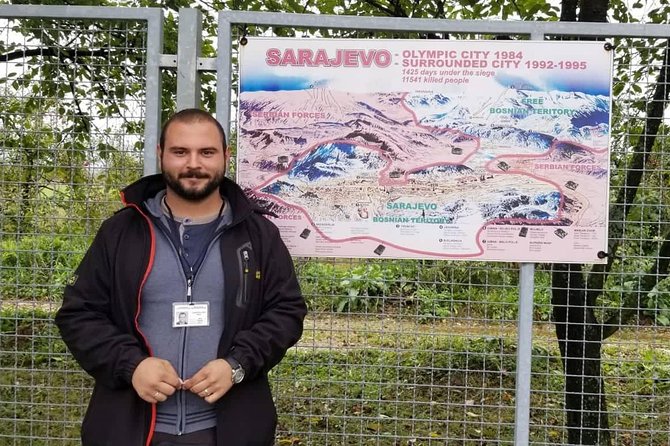
Sarajevo under siege hits different when a local explains it. This tour is strong because it pairs tight, real-world sights with Adis Hamzic’s personal, story-driven guidance, and because you get the Tunnel of Hope walk plus panoramic viewpoints that make the war feel geographically real. One thing to consider: you will do some walking and you will be outside at multiple points, so bring comfortable shoes and weather-appropriate clothes.
For me, the biggest value is how the stops connect to daily life, not just dates and headlines. You’ll start in the Old Town, ride between key sites in an air-conditioned vehicle, and hear how people lived, hid, and survived when Sarajevo was cut off. If you want a light, feel-good outing, this is not that kind of history tour.
In This Review
- Key things I’d plan around
- Meeting Adis and Getting Your Bearings in Sarajevo Old Town
- Yellow Bastion and Yellow Fortress Views That Turn History Into a Map
- Cemetery, Markale Market, and the Price Paid by Civilians
- Olympic Stadium Before and During the Siege: Pride Turned Into Burial Grounds
- Memorial to Murdered Children: When the Numbers Become People
- Sniper Alley: Why Simple Tasks Became Dangerous
- Tunnel of Hope Museum: Sarajevo’s Underground Lifeline
- Driving Back Through Sarajevo: How the War Ended, and What Remains
- Price and Value: What You Get for About $41
- Comfort, Timing, and Small Rules That Matter
- Who Should Book This Siege Survival Tour
- Should You Book? My Practical Take
- FAQ
- How long is the tour?
- What is the price?
- Is the Tunnel of Hope Museum entrance fee included?
- What language is the tour guide?
- Where is the meeting point?
- Is there walking involved?
- Does the tour run in bad weather?
- Is audio recording allowed during the tour?
Key things I’d plan around
- Panoramas from Yellow Fortress that help you visualize how the city was surrounded.
- Tunnel of Hope as the tour’s emotional anchor, with a guided visit through a preserved section.
- Sniper Alley to understand why ordinary street crossings could become lethal.
- Markale Market and other memorial stops that focus on civilians, including children.
- Adis’s storytelling style, with time for questions and clear context.
- A 3-hour format that balances driving with targeted walking, so you do not feel rushed.
Other siege-era sites around Sarajevo:
- Fall of Yugoslavia, Sarajevo War Tour with Tunnel of Hope Museum and Frontlines
★ 5.0 · 1,314 reviews - Sarajevo: Tunnel Museum Yugoslavia War Tour with War Veteran
★ 5.0 · 1,111 reviews - Sarajevo: Tunnel of Hope Tour – Survival and Resilience
★ 4.8 · 630 reviews - Tunnel Museum: Bosnian & Yugoslav Wars Tour with War Veteran
★ 5.0 · 551 reviews
Meeting Adis and Getting Your Bearings in Sarajevo Old Town
The tour begins at Mula Mustafe Bašeskije 65, right in front of the main square, next to the bakery called Pekara Edin. You are looking for the Bosnian flag as your recognition point, and the whole idea is simple: you start where Sarajevo feels most alive, then you move outward to the siege landmarks.
From the start, you set your mental map. I like that this is not only a list of places, it is a guided story with locations that you can connect with the city’s layout. You will travel in a comfortable, air-conditioned vehicle, which matters because Sarajevo weather can shift quickly, and you still have several stops to cover.
The group format is also practical. It runs with a minimum of 2 participants, and it is English-guided, with a separate entrance mentioned for the included visit. There is also a clear rule that audio recording is not allowed, so plan on taking notes instead of recording.
Yellow Bastion and Yellow Fortress Views That Turn History Into a Map
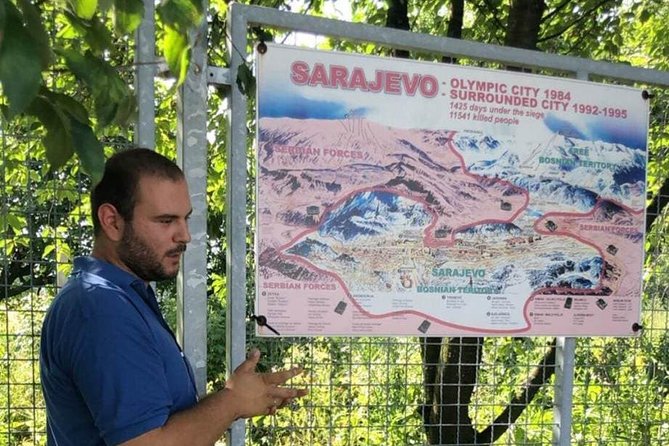
The first big moment is the ride to the Yellow Bastion, also known as the Yellow Fortress area. You will spend about 10 minutes there, and the whole point is to help you see siege geography, not just look at a view.
Stand at the viewpoint and you can understand why the city felt trapped. Your guide explains the creation and collapse of Yugoslavia, the political tensions that led to war, and then how Sarajevo became surrounded. That historical framing is key, because the view only makes full sense once you know what the surrounding terrain and lines of control meant during the siege.
Practical tip: bring a phone camera and give yourself a few extra seconds to find angles, especially if the light is changing. Even with a short stop, the goal is to get your bearings fast so later sites like Sniper Alley and the Tunnel of Hope feel connected rather than random.
Cemetery, Markale Market, and the Price Paid by Civilians
After the fortress viewpoint, the tour heads down into the city. One of the first somber stops is the cemetery area where Sarajevo’s defenders rest. It sets the tone in an honest way, without turning the tour into a somber walk with no context. Instead, it reminds you that the siege was fought by people who had homes, neighbors, and families just like everyone else.
Next comes Markale Market, passed as a key site of tragic civilian massacres. You learn that mortar shells killed innocent civilians, and that these attacks shocked the world and helped shape international intervention. Even if you have heard the broad outline before, walking through the meaning of the location helps it land. Markets are where normal life happens, and that is part of why Markale is so heavy.
A helpful way to approach this section: try to notice how the tour keeps returning to civilians. It is not only about strategy or military movements. It is about how war reached everyday spaces and turned routine moments into targets.
Other Sarajevo trips worth comparing
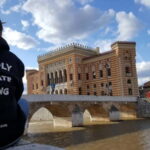
Olympic Stadium Before and During the Siege: Pride Turned Into Burial Grounds
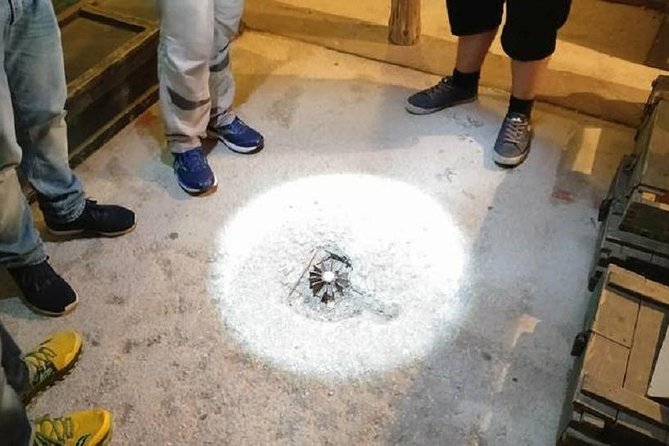
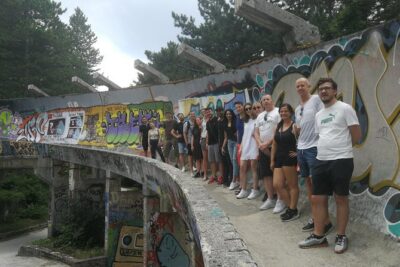
The tour then passes the Olympic Stadium, which is a striking contrast stop. In 1984, Sarajevo hosted the Winter Olympics, and the stadium represented pride and international attention. Just eight years later, the same area had to shift into burial grounds as the war continued and burial capacity filled.
You get about a photo stop plus passing time (around 10 minutes), so this is not a long museum-style stop. But it is one of the best “before and after” reminders you will see on this itinerary. You can stand in front of a symbol and understand how quickly meaning changes when survival becomes the main priority.
If you are trying to make sense of how long a siege drags on, this kind of contrast helps. It is not just destruction, it is the slow erosion of what the city used to be, and what people could no longer protect.
Memorial to Murdered Children: When the Numbers Become People
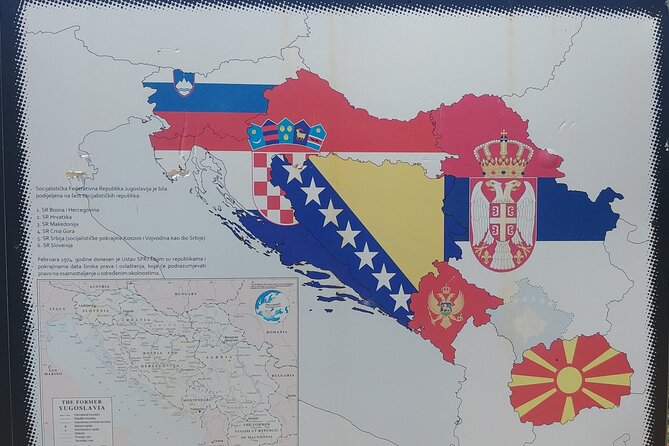
From the stadium, the tour drives past the Memorial to Murdered Children, dedicated to the 1,601 children killed during the siege. This is not presented like a statistics lesson. It is treated like a moral and human one, and it lands harder because of where it sits in the tour’s flow.
You have already seen Markale and the broader idea that civilians were targeted. The memorial makes that reality personal and specific. It also changes how you look at the rest of the tour, because after this stop, even quick drives and short passes feel weighted.
If you do not usually seek out memorial sites, I would still say this stop is worth your attention here. It gives context to the “survival” theme, and it prevents the story from becoming abstract.
Sniper Alley: Why Simple Tasks Became Dangerous
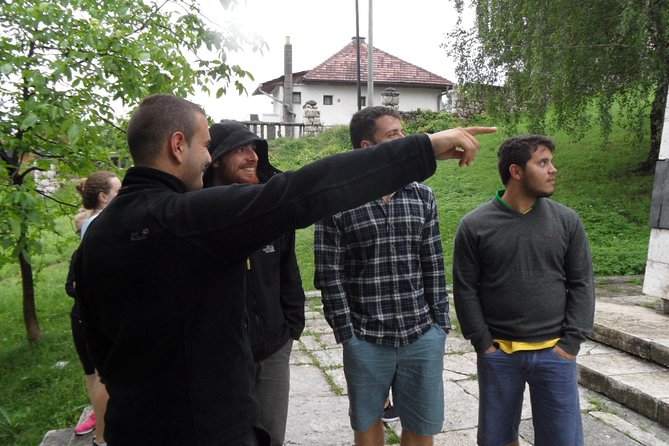
One of the most memorable drives is through Sniper Alley, described as one of the most dangerous streets in Sarajevo during the siege. The idea is clear: snipers positioned in the hills fired at civilians, and that turned ordinary movement through the city into risk.
This is where I really like the tour pacing. You are not just told that snipers existed. You are guided to understand the lived consequence. Crossing a street, walking somewhere familiar, even moving at the wrong moment could carry a life-or-death cost.
Because this part is on a drive, you get a small window to look out and absorb the street environment without having to race between locations on foot. Still, it is worth keeping your expectations realistic. This is not a reenactment. It is about connecting the city’s streets to the war logic that made them deadly.
Tunnel of Hope Museum: Sarajevo’s Underground Lifeline
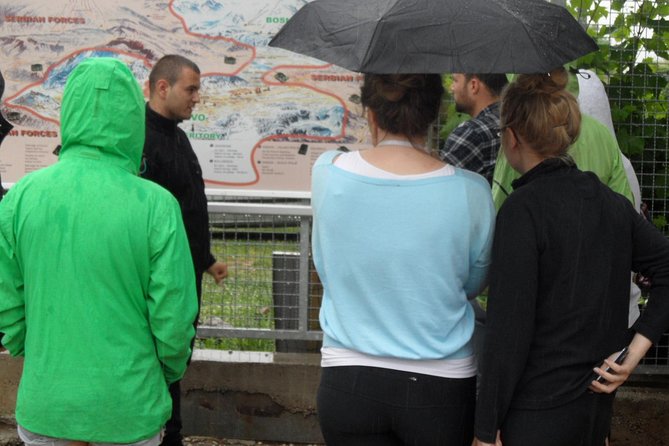
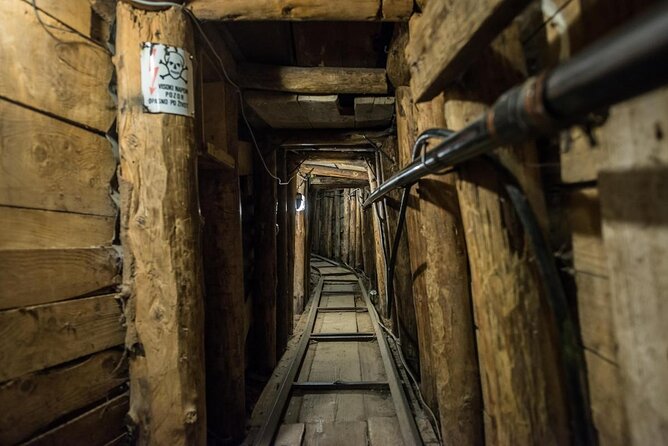
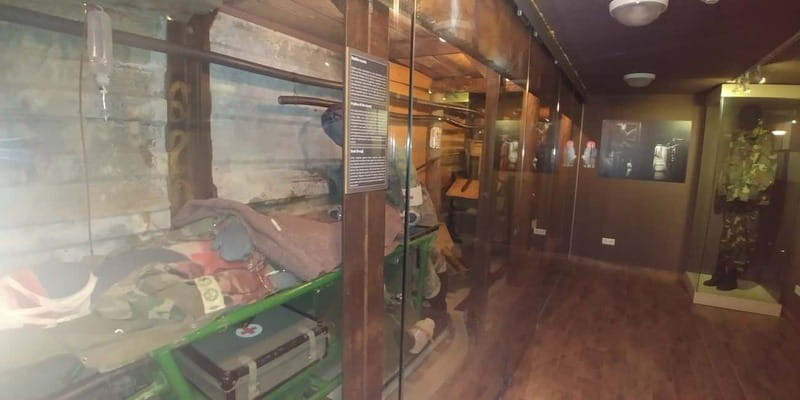
The tour’s most important stop is the Tunnel of Hope Museum. This is Sarajevo’s only connection to the outside world during the siege, and the tour focuses on what that meant for daily survival.
You will stop for a photo moment first, then you get the main visit with a guided tour for about 1 hour. The emphasis is on how the tunnel was built in secret, and how it allowed food, medicine, and other supplies to reach the city when everything else was cut off.
What I find especially valuable is that you walk through a preserved section. It turns a name into a place you can physically picture. And because the guide ties it back to the broader siege story, you understand it as more than a historical curiosity. It becomes the practical proof that people used ingenuity to keep others alive.
Tunnel of Hope entrance fee note: the museum entrance is not included in the base price. You pay €10 on-site, and it is in local currency. Your guide also mentions a separate entrance for skipping the line, so build in a little time buffer for that process, but you should not feel stuck waiting.
Driving Back Through Sarajevo: How the War Ended, and What Remains
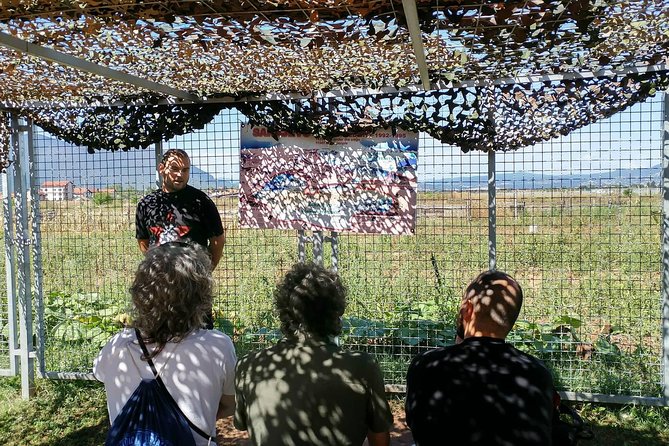
On the way back to the Old Town, the tour slows down into reflection. You will discuss how the war ended and what Sarajevo looks like today, including post-war recovery, political divisions, and challenges in the modern city.
This matters because a siege tour can otherwise stop at the drama of the past. Here, you get at least a guided look at the aftermath. It helps you understand that “over” does not mean “simple.” Cities carry memories in politics, neighborhoods, and everyday life.
You also finish with another scenic panoramic view from the drive back. It gives you one last chance to look at the city with the siege story fresh in your head. That final viewpoint helps the experience feel complete, like the tour taught you how to see the city, not only what happened in it.
Price and Value: What You Get for About $41
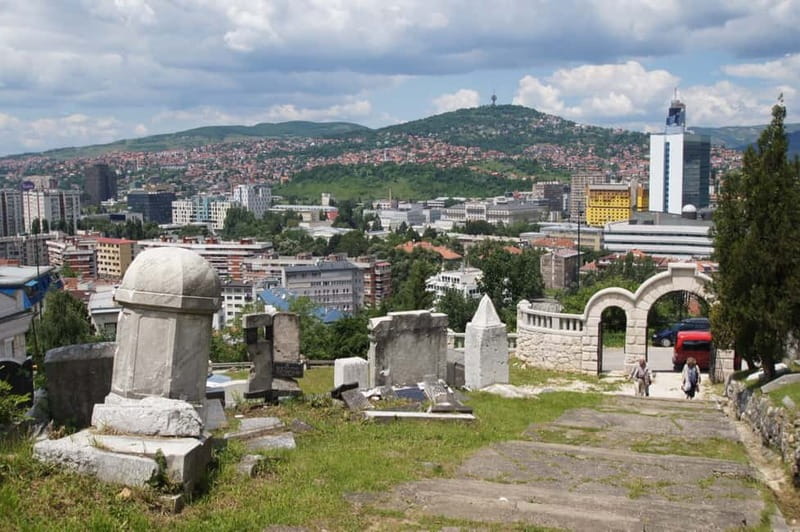
At $41 per person for a 3-hour tour, you are paying for more than transportation. You get the structure of a guided siege narrative, a local expert with deep historical knowledge, and a route that hits high-impact sites without turning the day into an all-day ordeal.
You also get practical inclusions that save hassle:
- Comfortable, air-conditioned vehicle for the driving segments
- Yellow Fortress panoramic visit
- Drive through Sniper Alley
- Stop coverage for Markale Market, Olympic Stadium, and the Memorial to Murdered Children
- Tunnel of Hope guided tour (with the museum entrance fee paid separately)
The one clear extra cost is the Tunnel entrance fee (€10 on-site). If you budget for that upfront, the price feels straightforward. The overall value is strongest if you care about context and human storytelling, because the tour’s design is built to explain what you are seeing, not only show it.
Comfort, Timing, and Small Rules That Matter
This is a 3-hour experience, so it fits nicely into a Sarajevo itinerary without swallowing the whole day. Some stops involve walking, so bring comfortable shoes even if you are not doing long hikes.
The tour runs in all weather conditions, so plan on staying flexible. If it is raining or cold, you will still move between viewpoints and drive stops, and what helps most is having layers.
Two other details that affect the vibe:
- You can bring water or snacks, but food and drinks are not included
- Audio recording is not allowed, which means you will rely on listening and note-taking
The format is English-guided with live storytelling. Based on the consistent praise for Adis Hamzic, the guide’s delivery is a major part of the value. People especially highlight that he is passionate, gives clear background on Yugoslavia and the siege, and answers questions easily.
Who Should Book This Siege Survival Tour
Book this tour if:
- You want a focused, 3-hour route that connects the siege to real locations around Sarajevo.
- You prefer a local expert who explains the political background and the human consequences, not just a timeline.
- You care about understanding places like Tunnel of Hope and Sniper Alley in a way that makes sense on foot and from viewpoints.
You might skip or reconsider if:
- You need a relaxed, light day with minimal walking and minimal emotional material.
- You dislike memorial sites and sites tied directly to civilian suffering.
Should You Book? My Practical Take
If your goal is to truly understand Sarajevo’s siege, this is a smart way to do it. The route is compact, the guiding is personal, and the stops are chosen for meaning: panoramic geography first, then civilian tragedy, then the daily danger of Sniper Alley, and finally the Tunnel of Hope as the lifeline. Add Adis’s clear storytelling style and the fact that the tour is in English with a live guide, and you get strong value for the time.
Just go in prepared. Wear comfortable shoes, plan for weather, and budget the Tunnel entrance fee on-site. If you do that, you will leave with a clearer picture of how survival worked in Sarajevo, and why these places matter.
FAQ
How long is the tour?
The tour lasts about 3 hours.
What is the price?
The price is $41 per person.
Is the Tunnel of Hope Museum entrance fee included?
No. The Tunnel of Hope Museum entrance fee is €10 and is paid separately on-site in local currency.
What language is the tour guide?
The tour is guided in English.
Where is the meeting point?
Meet at Mula Mustafe Bašeskije 65, right in front of the main square next to the bakery called Pekara Edin. You will see a Bosnian flag as a sign.
Is there walking involved?
Yes. Some walking is required at certain stops, so bring comfortable shoes.
Does the tour run in bad weather?
It runs in all weather conditions, so bring appropriate clothing.
Is audio recording allowed during the tour?
No. Audio recording is not allowed.
Most recently added near Sarajevo
- Sarajevo : Private Walking Tour With A Guide (Private Tour)★ 5.0 · 1 review
- Sarajevo: Islamic Tour | 500+ years of Glorious Heritage★ 5.0 · 1 review
- Sarajevo: Srebrenica – A Journey of Remembrance★ 5.0 · 1 review
- Bunker: Tito’s Secret & Boracko Lake Tour from Sarajevo★ 5.0 · 1 review
- Svrzo House Entrance Ticket★ 5.0 · 1 review
- Transfer tour Sarajevo-Dubrovnik★ 5.0 · 1 review
- Thrilling Rafting Adventure on the Neretva River with Lunch★ 5.0 · 1 review
- Private transfer (FROM-TO) Sarajevo – Dubrovnik★ 5.0 · 1 review
Tunnel of Hope & Siege Sites, compared.
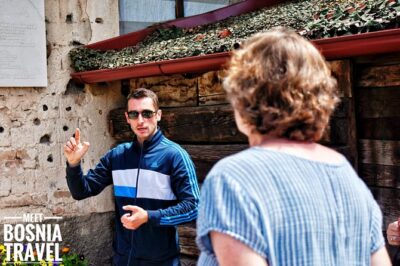
Fall of Yugoslavia, Sarajevo War Tour with Tunnel of Hope Museum and Frontlines
Read our review →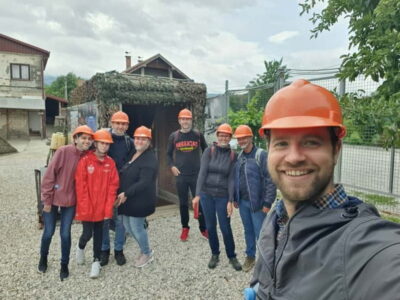
Tunnel Museum Yugoslavia War Tour with War Veteran
Read our review →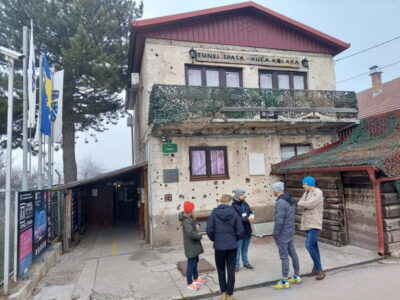
Tunnel Museum: Bosnian & Yugoslav Wars Tour with War Veteran
Read our review →
Sarajevo War Tour: A Veteran’s Story of the Siege (fees included)
Read our review →
Srebrenica Genocide Study Tour with War Veteran
Read our review →
Browse the lists this tour appears in