
Reviewed · TUNNEL OF HOPE & SIEGE SITES
Experience Sarajevo: Spiritual Resistance during the Siege
Sarajevo tells its story underground. In this 4-hour tour, you trace the Siege of Sarajevo through key places, from the Tunnel of Hope to the views from the Yellow Fortress. It is guided, small, and built for people who want meaning, not just photos.
I especially like the chance to walk through a section of the Tunnel of Hope, a cramped underground passage that became a lifeline during the siege. I also like how the route connects the public story, like Markale Market and the memorial for children killed in Sarajevo, to the harder, more personal places like the Jewish Cemetery and Lav Cemetery.
The one drawback to know up front: this is heavy material. Expect stops tied to massacres, deaths, and war trauma, so come ready for a serious, reflective day rather than a light city stroll.
In This Review
- Key points before you go
- How the tour moves, and why that matters
- Markale Market and the memorial for children killed in Sarajevo
- Sniper Alley: understanding danger without turning it into a thrill
- The Tunnel of Hope: a lifeline you can feel
- Trebević Mountain and the Olympic Bobsleigh Track after 1984
- Jewish Cemetery: when a cemetery becomes a dividing line
- Lav Cemetery, Kurt Schork, and the story behind the lovers
- Yellow Fortress viewpoint: seeing the city and its scars together
- Price and value: does $35 work for what you get?
- Who this tour suits best
- Practical tips for a smoother, better experience
- Should you book this Sarajevo siege tour?
- FAQ
- Where does this tour take place?
- How long is the experience?
- What does it cost?
- How many people are in the group?
- What languages are available for the live guide?
- Is pickup and drop-off included?
- What is included in the tour?
- Is it a shared tour?
Key points before you go
- Tunnel of Hope walk-through: you get firsthand scale of the 800-meter underground lifeline (and the museum + film support it)
- Sniper Alley context: you pass through the street marked as the most dangerous during the siege
- Olympic Bobsleigh Track after 1984: the old Olympic venue, now scarred with graffiti, becomes a chilling conflict reminder
- Jewish Cemetery as a dividing line: you learn how it was damaged and used as a strategic sniper vantage
- Yellow Fortress panoramic viewpoint: you end with Sarajevo spread below, including the cemetery sites tied to independence
Other siege-era sites around Sarajevo:
- Fall of Yugoslavia, Sarajevo War Tour with Tunnel of Hope Museum and Frontlines
★ 5.0 · 1,314 reviews - Sarajevo: Tunnel Museum Yugoslavia War Tour with War Veteran
★ 5.0 · 1,111 reviews - Sarajevo: Tunnel of Hope Tour – Survival and Resilience
★ 4.8 · 630 reviews - Tunnel Museum: Bosnian & Yugoslav Wars Tour with War Veteran
★ 5.0 · 551 reviews
How the tour moves, and why that matters
This is a shared, small-group tour (up to 6 people) that runs about 4 hours. You travel by van with a local guide and driver, and you start with central Sarajevo sites tied to the siege story, then work your way toward the tunnel, cemeteries, and final viewpoints.
Why I think the structure works: it is not just a list of landmarks. It is a timeline you can see. Markets and memorials set the human cost. Then streets and the Tunnel of Hope show what everyday survival looked like. Finally, the cemeteries and viewpoints force you to connect the past to the city’s fight for independence.
You will get bottled water, and the ride is in air-conditioned comfort. You also get free pickup and drop-off within Sarajevo, so you do not have to figure out getting between scattered hill and tunnel locations on your own.
Markale Market and the memorial for children killed in Sarajevo
The tour begins with the area around Sarajevo’s City Market Hall and the Markale Market area, the place linked to tragic massacres during the siege. Even if you are just stepping in as a first-time visitor, this opening frames everything that comes later. The siege is often described in broad terms, but starting at the market grounds it in a specific daily space where people lived, bought, and hoped for normal life.
From there, you head to the Memorial for the Children Killed in Sarajevo. This isn’t a stop built for quick clicks. It is meant to give the tragedy a clear name and face. The point is simple: these were not abstract wartime numbers. The guide’s job here is to keep your focus on memory, not shock.
If you are the type who likes to balance heavy sites with practical takeaways, ask yourself what you want to understand by the end of the tour. For me, memorials like this do that job. They help the later stops feel less like separate attractions and more like connected parts of a single story.
Sniper Alley: understanding danger without turning it into a thrill
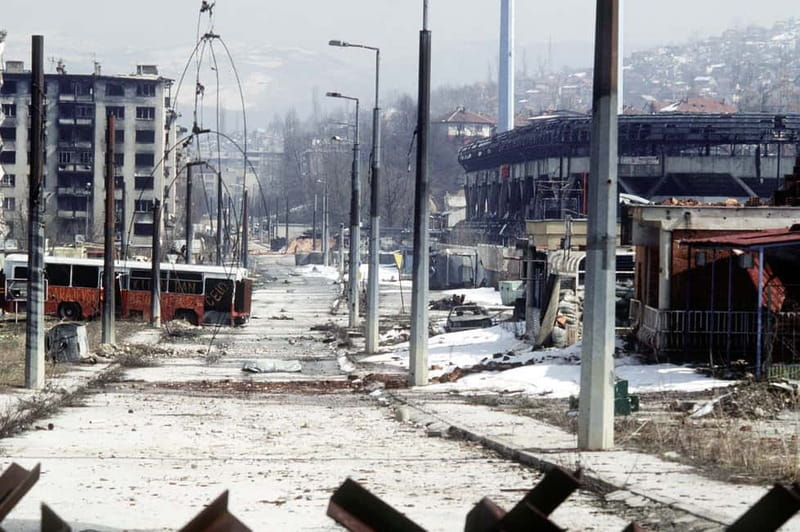
Next comes Sniper Alley, often described as the most dangerous street in Sarajevo during the siege. You do not linger there like a sightseeing walk. You pass through the area as part of a guided route, under the constant threat that shaped movement through the city.
This stop is valuable because it teaches you how war changes behavior. Streets that look routine in daylight become dangerous corridors. Distances that seem short on a map become risky decisions. And even when you are not seeing the physical damage up close, the guide’s explanations help you feel the logic of survival.
A practical tip: keep your phone away for a moment. Listen first. You will remember more, and the street will register as a historical lesson instead of a backdrop.
Other Sarajevo trips worth comparing
The Tunnel of Hope: a lifeline you can feel
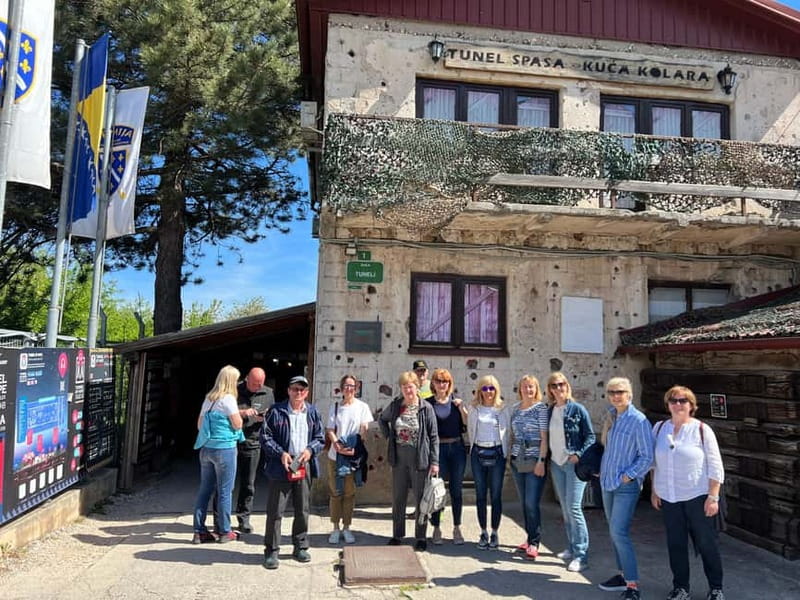
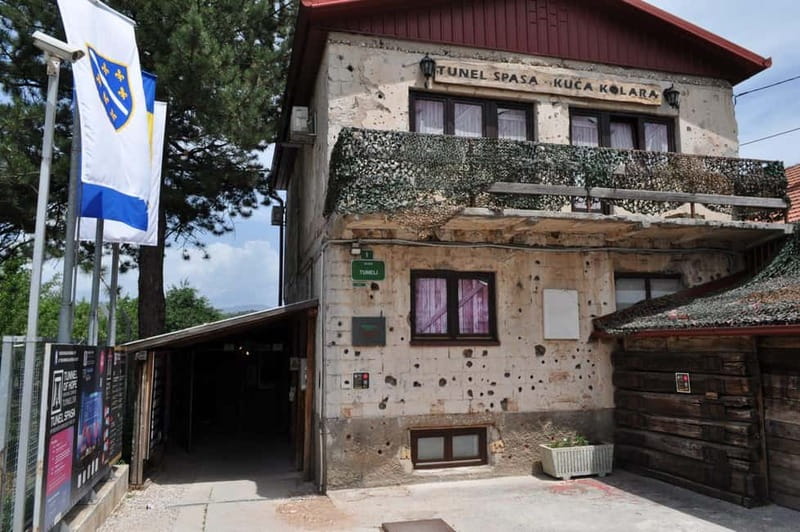
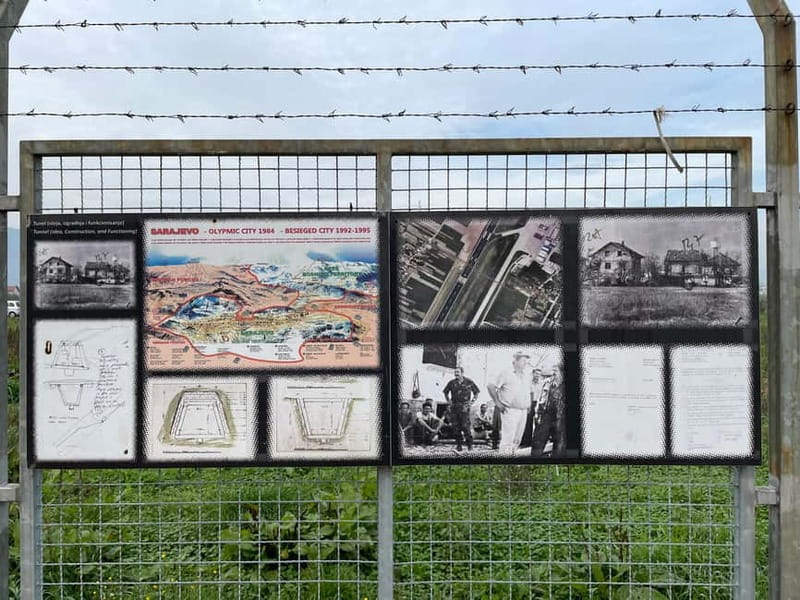
The Tunnel of Hope is the main anchor of the tour, and it earns that attention. This underground passage is about 800 meters long and was constructed during the Siege of Sarajevo from 1992 to 1995. Its job was survival, not secrecy. It helped people and supplies move when the city was cut off.
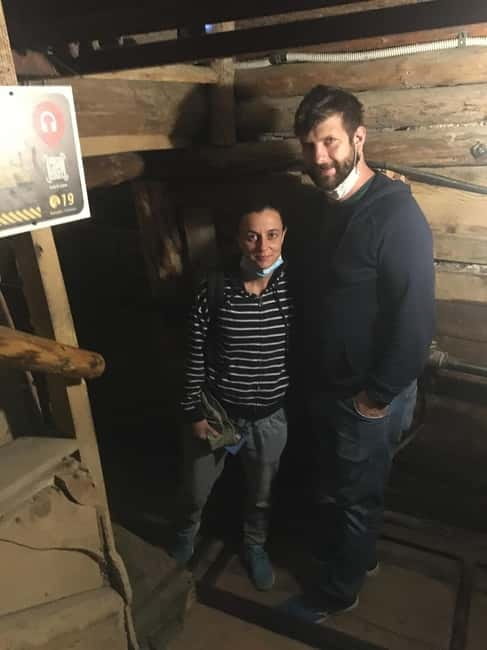
You’ll spend around 1.5 hours here with a guided visit. The key moment is walking through part of the tunnel. The conditions are described as cramped and challenging because that is exactly what people faced. Even for visitors used to normal museum hallways, the tunnel quickly changes your posture and breathing. That is the point, and it makes the story real.
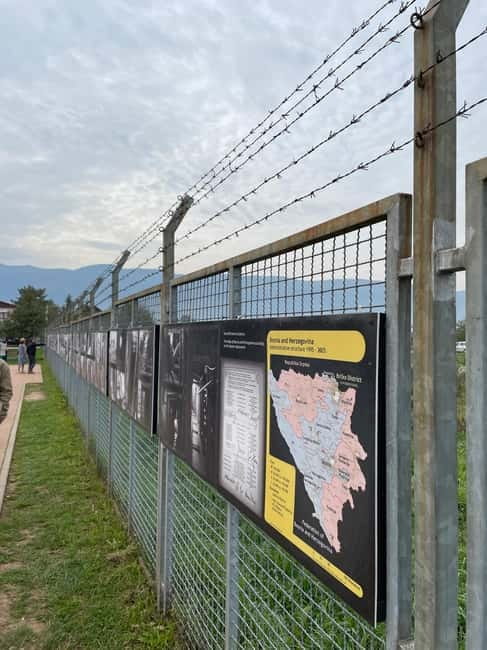
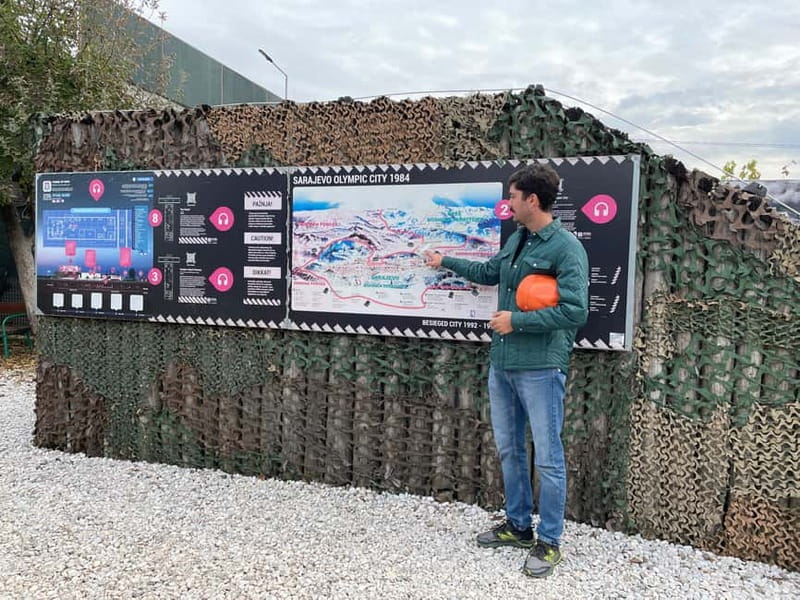
Inside, the museum displays artifacts, photographs, and documents tied to the tunnel and the siege. You also watch a film that covers how the tunnel was dug and includes dramatic footage showing Sarajevo during the siege. You do not have to be a history buff to appreciate it. The mix of physical space and visual explanation does the work.
If you want to get the most out of this stop, do this: let the tunnel do the emotional part, then let the museum do the factual part. That combination is why the Tunnel of Hope feels more complete than many memorial sites.
Trebević Mountain and the Olympic Bobsleigh Track after 1984
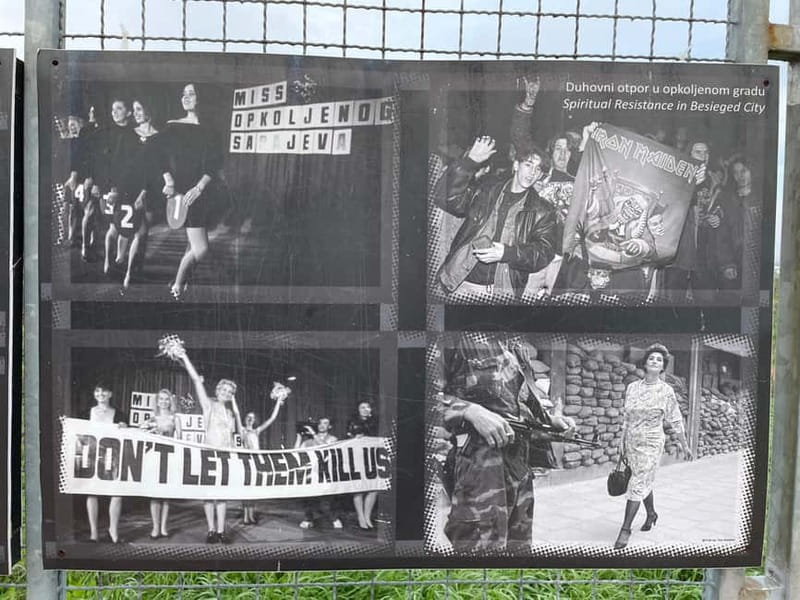
After the tunnel, the tour connects wartime survival to Sarajevo’s older identity through Trebević Mountain. Before the siege, this mountain was tied to Sarajevo’s Olympic pride. During the war, that same geography became part of the conflict’s practical reality.
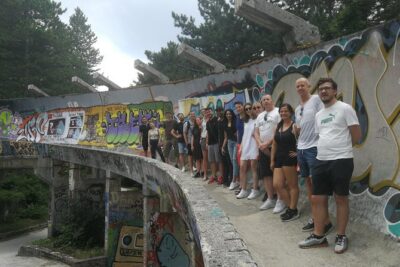
One standout stop in this area is the Olympic Bobsleigh Track, built for the 1984 Winter Olympics. Today, it looks like an engineering project that never asked for trouble. But now the concrete curves are marked by graffiti. The contrast is stark: an international sports venue built for competition becomes a haunting reminder of conflict.
This is one of those stops that can catch you off guard. If you came for siege history only, you might not expect to also see Sarajevo’s pre-war ambitions. But that is what makes it meaningful. The message is that the siege was not just fighting over territory. It cut through a city’s identity.
Jewish Cemetery: when a cemetery becomes a dividing line
Next you visit the Sarajevo Jewish Cemetery for a photo stop and a short guided segment (about 10 minutes). This cemetery became a dividing line during the siege and suffered damage as it was used as a strategic sniper vantage point. The result was significant casualties among Sarajevo’s residents.
This stop is difficult, but it is important. Cemeteries are usually places that feel separate from conflict. Here, the guide explains how the war erased that separation. Higher ground offered visibility, and visibility became deadly.
Keep your expectations grounded. You are not walking through a “touristy” graveyard experience. You are seeing a site where the war touched civilians, and you are learning why it mattered tactically. If you are someone who prefers gentle sightseeing, this might feel like the most emotionally intense stop of the day, and that is normal.
Lav Cemetery, Kurt Schork, and the story behind the lovers
The tour then moves to Lav Cemetery, tied to two different strands of Sarajevo’s siege memory.
First, it is the final resting place of the tragic lovers often referred to as Romeo and Juliet. Second, it is also connected to Kurt Schork, the world-renowned photographer whose work brought global attention to the siege.
Why this pairing is so powerful: it shows how the siege traveled beyond local suffering. There were people caught in love stories and grief at the same time, and there were also images that helped the outside world understand what was happening.
If you like photography history or you want to understand how wars get seen internationally, this stop adds a useful layer. It is not only about what happened in Sarajevo. It is also about how the world learned, partly through the work of someone like Schork.
Yellow Fortress viewpoint: seeing the city and its scars together
You finish at Yellow Fortress (also called Yellow Bastion), where you get guided time (about 10 minutes) and the payoff views: Sarajevo spread out below.
What makes this viewpoint more than a photo moment is the connection to independence. From up here, you can see across the city and pick out sites tied to those who gave their lives for an independent Bosnia and Herzegovina, including the cemetery areas below. The guide’s explanation helps you interpret the city as a map of meaning, not just geography.
Panoramas can sometimes feel like “just pretty.” Here, the view carries a weight. You are looking at the same city from multiple historical angles, and it becomes easier to understand why certain places were fought over or remembered.
Price and value: does $35 work for what you get?
At $35 per person, this tour is positioned as a budget-friendly way to cover some of Sarajevo’s most significant siege landmarks without wasting half a day on coordination.
Here is the value math I see:
- You get a guided visit through the Tunnel of Hope plus a route that links markets, memorials, and cemetery sites.
- You have van transportation with an AC vehicle, plus bottled water.
- You get free pickup and drop-off in Sarajevo, which can save you time and frustration.
What you do not get is a private experience. This is shared with a small group. For some people, that is a plus because it keeps costs down and creates a calmer social pace. If you prefer quiet, one-on-one pacing, you may want to consider whether you need a private tour option elsewhere, but nothing here suggests that the shared setup ruins the experience.
Overall, $35 feels fair for a guided, meaningful route that includes a major landmark plus multiple high-impact stops.
Who this tour suits best
This experience fits best if you want a guided siege orientation in a half-day window. It is a strong match for:
- First-time visitors who want Sarajevo’s story beyond Old Town postcard views
- Travelers interested in how geography and infrastructure (tunnels, streets, viewpoints) shape survival
- People who appreciate respectful memorial travel and want context, not just names on signs
It is also a good choice if you do not have time to piece everything together yourself. The route groups the key sites into a coherent narrative, and the guide helps you connect the dots between market tragedy, sniper threat, wartime engineering, and memorial geography.
If you know you dislike heavy topics, plan accordingly. The day is serious. You will be dealing with the Siege of Sarajevo through sites tied to death and damage.
Practical tips for a smoother, better experience
A few things will help you get more out of the day:
- Wear comfortable shoes. You will be walking and moving between locations in a route that includes the Tunnel of Hope.
- Expect small, guided stops and photo moments. You will not have unlimited time at every site, and that is normal for a 4-hour format.
- Bring a respectful mindset, especially at the cemeteries and memorial stops. The guide will handle the information, but your tone matters.
- Use the time after the tour for your own processing. If you can, give yourself a calmer evening. This tour stays in your head.
Also, the tour is offered in multiple languages (English, Bosnian, Serbo-Croatian, Serbian, Croatian). If you are trying to follow along closely, pick the language you are most comfortable with at booking time.
Should you book this Sarajevo siege tour?
I think you should book it if you want a focused, guided route through the places that define Sarajevo’s siege experience: the Tunnel of Hope, the Sniper Alley route, the cemeteries tied to dividing lines and memory, and the Yellow Fortress viewpoint that ties the city to independence.
Skip it only if you are looking for light sightseeing, because this is built around tragedy and survival. But if you want clarity, context, and a way to see Sarajevo’s resilience through specific sites, this $35, 4-hour tour is an efficient, meaningful choice.
FAQ
Where does this tour take place?
It takes place in Sarajevo Canton, Bosnia and Herzegovina.
How long is the experience?
The duration is 4 hours.
What does it cost?
The price is $35 per person.
How many people are in the group?
It is a small group limited to 6 participants.
What languages are available for the live guide?
The live tour guide is available in English, Bosnian, Serbo-Croatian, Serbian, and Croatian.
Is pickup and drop-off included?
Yes. Free of charge pickup and drop-off are included.
What is included in the tour?
You get a local expert guide and driver, transportation in an AC equipped vehicle, and bottled water. The tour also notes you will skip the ticket line.
Is it a shared tour?
Yes, all tours are shared unless specifically booked as private.
Most recently added near Sarajevo
- Sarajevo : Private Walking Tour With A Guide (Private Tour)★ 5.0 · 1 review
- Sarajevo: Islamic Tour | 500+ years of Glorious Heritage★ 5.0 · 1 review
- Sarajevo: Srebrenica – A Journey of Remembrance★ 5.0 · 1 review
- Bunker: Tito’s Secret & Boracko Lake Tour from Sarajevo★ 5.0 · 1 review
- Svrzo House Entrance Ticket★ 5.0 · 1 review
- Transfer tour Sarajevo-Dubrovnik★ 5.0 · 1 review
- Thrilling Rafting Adventure on the Neretva River with Lunch★ 5.0 · 1 review
- Private transfer (FROM-TO) Sarajevo – Dubrovnik★ 5.0 · 1 review
Tunnel of Hope & Siege Sites, compared.
Fall of Yugoslavia, Sarajevo War Tour with Tunnel of Hope Museum and Frontlines
Read our review →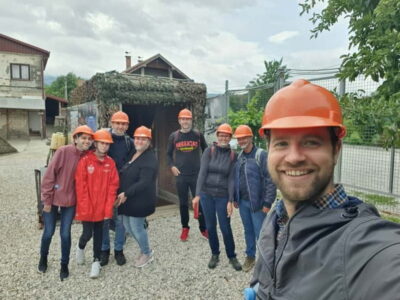
Tunnel Museum Yugoslavia War Tour with War Veteran
Read our review →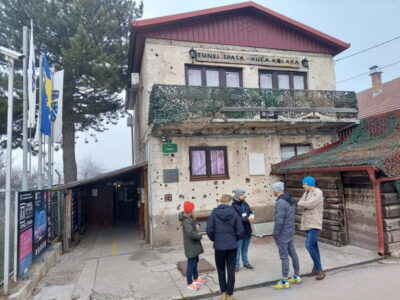
Tunnel Museum: Bosnian & Yugoslav Wars Tour with War Veteran
Read our review →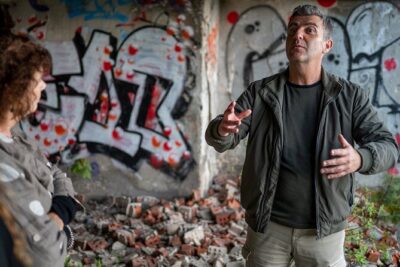
Sarajevo War Tour: A Veteran’s Story of the Siege (fees included)
Read our review →
Srebrenica Genocide Study Tour with War Veteran
Read our review →
Browse the lists this tour appears in