
Reviewed · HISTORICAL TOURS
Sarajevo: History Museum of Bosnia and Herzegovina Ticket
War history hits differently here.
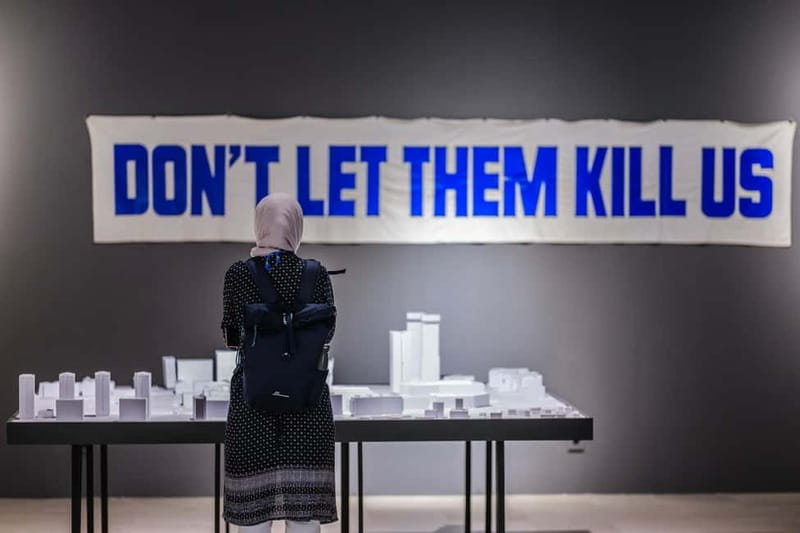
This History Museum of Bosnia and Herzegovina puts two key chapters of Sarajevo under one roof: daily life during the Siege of Sarajevo (1992-1996) and the WWII resistance story in German-occupied Sarajevo. I like that it leans on rare objects and hands-on material, and I also like how it connects the city’s past to real people, not just dates and uniforms. The ticket is $10 for a full day of access, which makes it a straightforward, high-impact stop.
What I especially like is Besieged Sarajevo, with interactive displays and a clear focus on how ordinary life broke down and then slowly reshaped itself under pressure. I also really value the museum’s personal angle, where Sarajevo residents have donated war artifacts and shared their own stories, so the narrative feels close to the street.
One thing to consider: this is heavy material about shelling, sniper fire, and survival, and the ticket does not include a guide. That means you will rely on the exhibits and your own pace, so plan time to read and absorb, not just rush.
In This Review
- Key highlights worth your time
- Sarajevo’s museum for the siege and the WWII resistance
- Price and value for a $10 full day of exhibitions
- How Besieged Sarajevo tells the siege story through daily breakdown
- Why the museum setting, near frontline traces, changes your perspective
- Finding human resilience inside the Besieged Sarajevo artifacts
- WWII resistance in Wer ist Walter? and the meaning of an inclusive struggle
- Temporary exhibitions: what you gain beyond the two anchors
- A practical one-day plan so you do not rush the emotional parts
- Who this museum ticket is best for
- Should you book this History Museum ticket?
- FAQ
- How much is the Sarajevo History Museum of Bosnia and Herzegovina ticket?
- How long can I use the ticket?
- What is included with the ticket?
- Is a guide included?
- What is the cancellation policy?
- Is reserve now, pay later available?
Key highlights worth your time
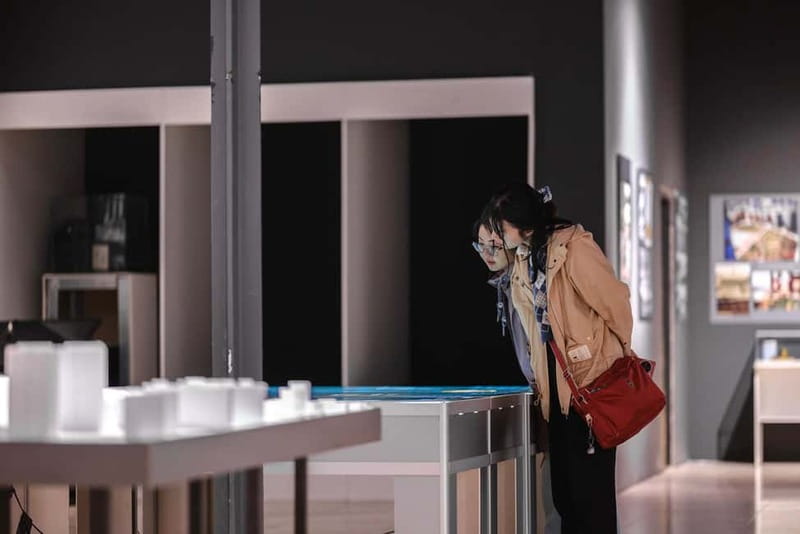
- Besieged Sarajevo explains survival, not just violence with the day-to-day details that are easy to miss.
- Citizen-donated artifacts turn the story from museum-style facts into lived experience.
- Sniper Alley and occupied neighborhoods shape the meaning of the museum setting.
- The Walter mystery in WWII helps you understand resistance organization without simplifying it.
- Temporary exhibitions add fresh angles on Bosnia and Herzegovina’s culture and history.
More history told where it happened in Sarajevo:
- East Bosnia & West Serbia UNESCO heritage day tour from Sarajevo
★ 5.0 · 55 reviews - Sarajevo Full Day Tour: History, Culture, Nature, War & Olympics
★ 5.0 · 27 reviews - Sarajevo genuine walking tour: Steps through history
★ 5.0 · 22 reviews - SARAJEVO STREET ART TOUR (art, history & mystery) – sARTajevo!
★ 5.0 · 18 reviews
Sarajevo’s museum for the siege and the WWII resistance
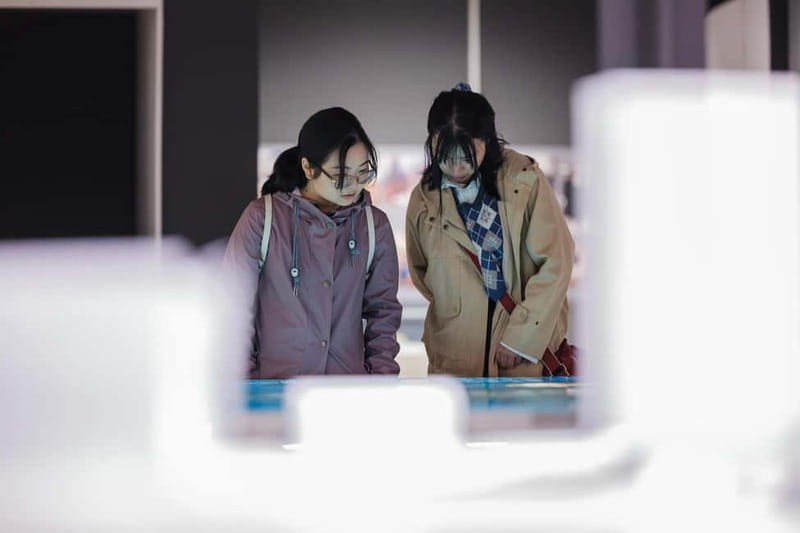
If you want your Sarajevo history to feel personal, this is one of the best bets. You are not just looking at outcomes like ceasefires or liberation, you are seeing the mechanisms that got people through impossible conditions. The museum pairs two permanent themes, so your day moves from 1990s siege survival into WWII-era resistance, with rotating displays in between.
The overall emotional tone is not neutral. It is about creativity, endurance, and cultural resistance, but it does not shy away from the reality of constant shelling and sniper fire. Plan for that. If you are tired of war stories that feel distant, you will probably find this one more grounded, because it is framed through daily life and individual contributions.
There’s also a practical payoff. A one-day ticket is a simple way to cover multiple eras without bouncing around town to different sites. For a visit that stays focused but does not feel one-note, that’s a real value.
Price and value for a $10 full day of exhibitions
At $10 per person for 1 day of access, the value is strong if you do two things: take your time and prioritize the permanent exhibitions first. The museum includes access to all temporary and permanent exhibitions, so you are not paying extra just to see the core material.
This is one of those tickets where the cost is low enough that you can justify spending your time well. If you only skim, you will not get the main payoff. But if you actually read, stop at the interactive elements, and let the personal stories land, you will likely feel like you got more than your money’s worth.
One more value point: it is not positioned as a fast “check the box” stop. The subject matter asks for attention. At the same time, you do not need a guide to start making sense of what you are seeing, because the museum organizes the story clearly into the siege section and the WWII resistance section.
How Besieged Sarajevo tells the siege story through daily breakdown
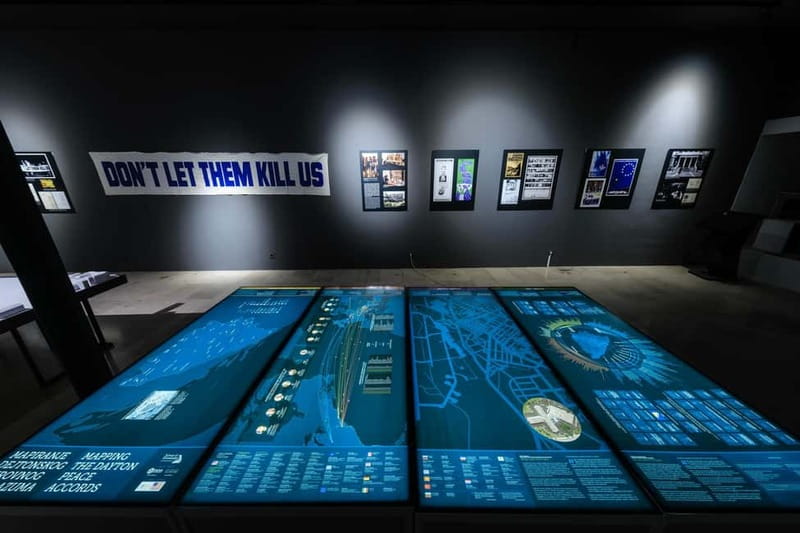
The center of the experience is Besieged Sarajevo, and it is built around a simple, unsettling question: what would you do if normal life vanished overnight? The exhibit explains how, in April 1992, people in Sarajevo woke up into a world where electricity, water, heating, and food supply were cut off. Then the danger escalated with constant shelling and sniper fire coming from surrounding hills and occupied neighborhoods.
That framing matters because it changes how you perceive the war. Instead of picturing only explosions or headlines, you start thinking about basic routines and how they collapse. The exhibit pushes you to notice survival skills and coping strategies, like how people tracked food and water, how markets and streets looked when the city was under pressure, and how cultural life continued even when everything else was unstable.
What I found most powerful in the design is that it does not treat survival as abstract bravery. It shows ordinary people making practical decisions day after day. That is why the exhibit includes interactive elements and focuses on everyday details, not only weapons or military movements.
A key feature is the way the story is shaped by people from Sarajevo themselves. Citizens have donated personal war artifacts and shared their stories, so you are not only reading about the siege, you are seeing fragments of it preserved inside the museum.
More museums and collections in Sarajevo:
- Fall of Yugoslavia, Sarajevo War Tour with Tunnel of Hope Museum and Frontlines
★ 5.0 · 1,314 reviews

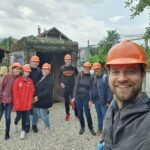

Why the museum setting, near frontline traces, changes your perspective
The museum is positioned in an area that was very close to the frontline during the siege. It sits between Sniper Alley and occupied neighborhoods, and that physical reality still leaves traces of the war in the surroundings.
That might sound like background, but it genuinely affects how you interpret the exhibit. When a museum is tied to the geography of what it tells, you tend to pay closer attention to the logic of what you see. Shelling, lines of threat, and the daily pressure of living under observation are not only explained, they feel implied by the place itself.
In practical terms, this means your visit is not just inside glass cases. Even as you move from room to room, you are building a mental map of where danger came from and how close it was. For anyone who likes history that connects to real streets, this kind of location context is a big deal.
Finding human resilience inside the Besieged Sarajevo artifacts
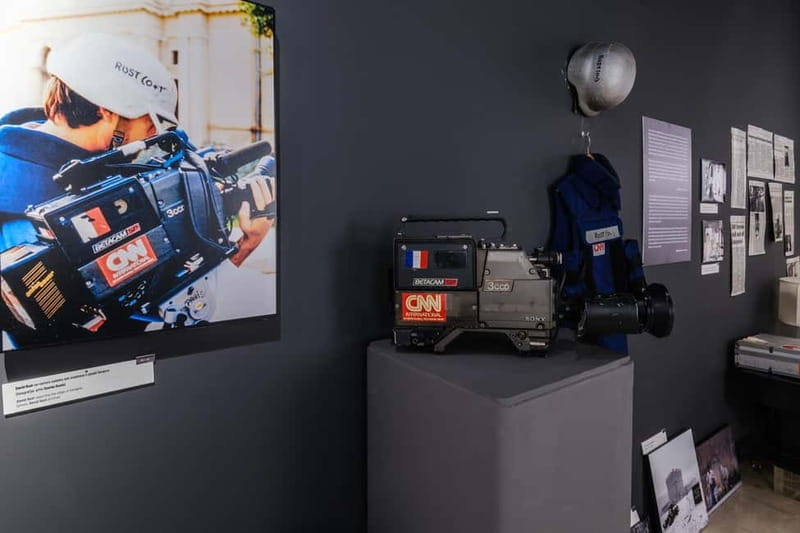
The siege section is not only informative, it is also emotionally persuasive. The reason it works is the museum includes rare artifacts and personal items, plus the interactive displays that help you imagine how people adapted.
Here are the kinds of learning moments you should expect to feel as you go through the siege material:
- how people managed food and water during shortages
- how daily spaces like markets and streets changed under pressure
- how art and culture helped people keep a sense of normality
Those themes are important because they explain resilience as something practical. Creativity is not treated like a luxury. It is treated like a coping tool. Culture is presented as part of staying human, not just something for calmer times.
Also, because the museum story is supported by citizen donations, you get a sense that history is not only made by leaders. It is made by people who keep going when the basics disappear.
If you want a museum that makes you feel both educated and moved, this is the part most likely to do it.
WWII resistance in Wer ist Walter? and the meaning of an inclusive struggle
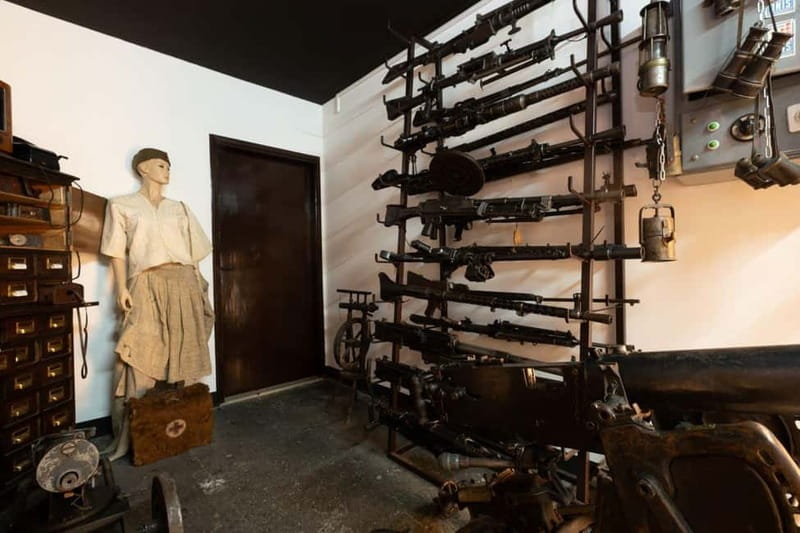
The other permanent exhibition takes you back to WWII and focuses on resistance against Fascism and Nazism in occupied Europe. The story centers on a code name, Walter, used by the leader of a resistance movement in German-occupied Sarajevo.
The exhibit asks a thought-provoking set of questions: who were the other Walters, meaning who were the Partisans? And how did a broader, inclusive resistance platform help overcome ethnic divisions and help the movement win the war?
Even if you know some WWII history, this approach is useful because it shifts emphasis. It is not only about battles, it is about organization, identity, and collaboration under occupation. It also shows that resistance is a network, not a single hero.
The exhibition is called Wer ist Walter? Topography of Antifascist Resistance in Bosnia and Herzegovina, and it is designed to give you structure as you connect local Sarajevo activity to a wider regional story.
For many visitors, this section provides emotional contrast after the siege narrative. The siege exhibit is about survival under siege. This WWII exhibit is about resisting a different kind of occupation, using cooperation and an inclusive platform. Put together, the day covers resilience across different decades, but with shared themes: culture, solidarity, and persistence.
Temporary exhibitions: what you gain beyond the two anchors
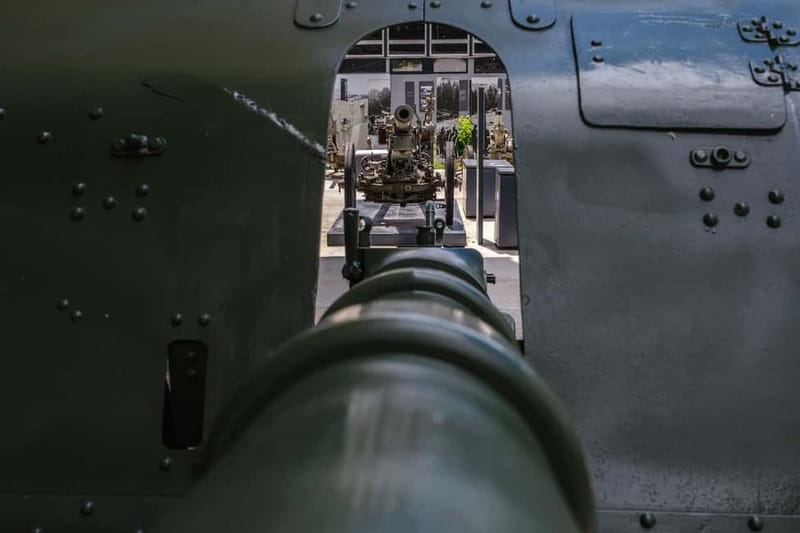
Your ticket includes access to temporary exhibitions too, which is a smart way to round out the day. Permanent exhibits give you the backbone, but temporary displays can add texture, highlight a specific aspect of Bosnia and Herzegovina’s history or culture, and show how museum interpretations evolve.
Since the temporary topics are not specified in the details you have, you should treat this part as a flexible bonus. When you arrive, check what is on during your visit, then decide how much time to give it. If you find yourself especially drawn to one era, you can let the temporary exhibition guide your balance.
This is also a way to keep the day from feeling like repetition. The siege section and the WWII resistance section already cover two time periods. Temporary exhibitions help you see the museum as an active space for ongoing research and storytelling, not only a static archive.
A practical one-day plan so you do not rush the emotional parts
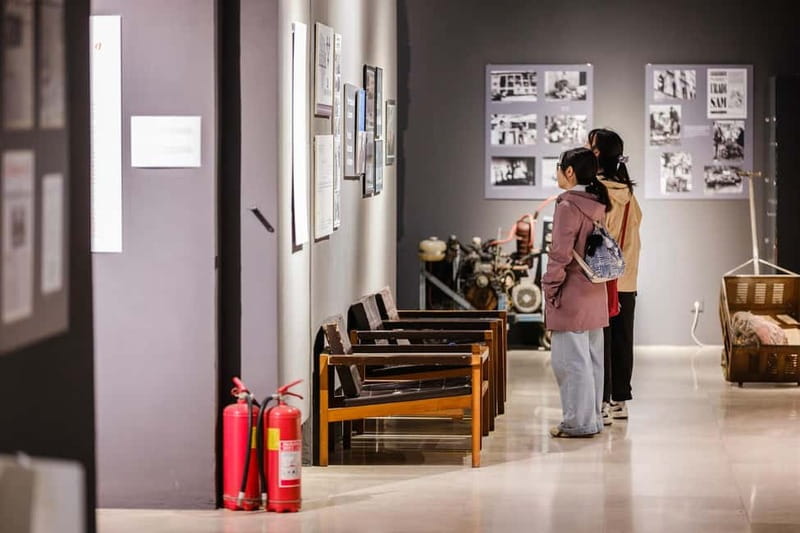
You have 1 day with access to permanent and temporary exhibitions, and since there is no guide included, I recommend you plan a simple rhythm so you can read without fatigue.
Here’s a practical way to structure your visit:
1) Start with Besieged Sarajevo
Go first because it sets the emotional and thematic tone. Give it enough time to take in the interactive displays and the personal artifacts. If you try to do it quickly, you may miss the everyday survival logic that makes the exhibit powerful.
2) Move to Wer ist Walter?
This gives you a second lens on resilience, this time through resistance organization and antifascist struggle. The questions it raises about who the Partisans were and how inclusion helped matters can take a bit of reading time. Let it.
3) Add temporary exhibitions based on your interests
If the temporary display connects to siege survival, Sarajevo culture, or WWII resistance, it can feel like an extension. If it pulls you into something else, that can be a welcome change. Either way, keep it as your flexible segment, not your anchor.
Also, because the museum does not include a guide, you will get the most out of this visit if you slow down at the points where the story is personal. Look for donated artifacts and first-person accounts. Those are the pieces that make history feel like a living record.
Who this museum ticket is best for
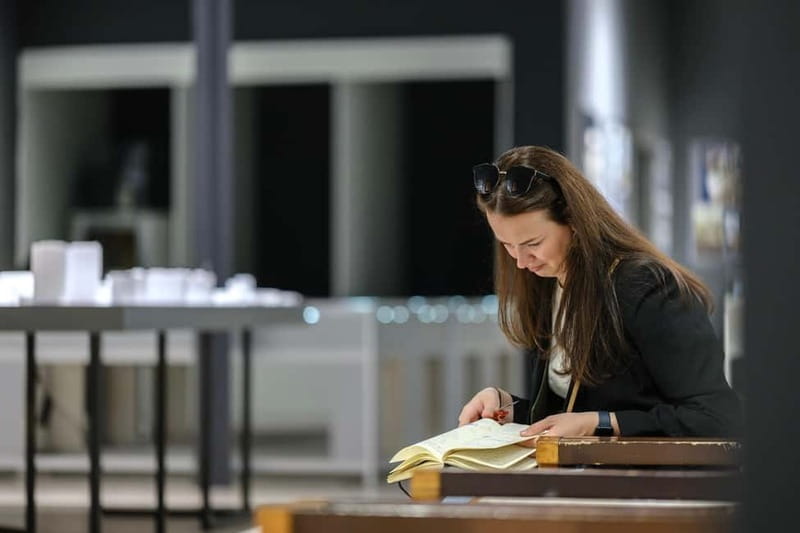
This experience is ideal if you like history with context and human stakes. You should also enjoy it if you want Sarajevo to be more than a pretty city with a few monuments. The museum gives you the why behind the city’s reputation for endurance.
It is especially suited to:
- couples or solo travelers who want a focused, self-paced day
- readers who enjoy narrative structure in museums
- anyone who cares about how culture and daily life survive during conflict
It may be less suited to you if you want a light, entertainment-driven itinerary. This museum tackles the realities of siege life and occupied Sarajevo, so expect a heavy emotional tone.
Should you book this History Museum ticket?
Yes, you should book if you want a low-cost, high-impact day focused on Sarajevo’s resilience across time. At $10 for 1 day of access to both permanent and temporary exhibitions, it offers strong value, especially if you plan to spend time with the siege narrative and the citizen-donated artifacts.
If you are the type who skims through museums, you might feel that it is too much to take in. But if you are willing to slow down and read, this ticket can do something rare: teach you history and make it feel close to lived reality.
Just be honest with yourself about your mood. This is a thoughtful visit in difficult subject matter. If you can handle that, you will likely walk away feeling informed, moved, and strangely clearer about how ordinary people keep going under pressure.
FAQ
How much is the Sarajevo History Museum of Bosnia and Herzegovina ticket?
The price is $10 per person.
How long can I use the ticket?
The ticket is valid for 1 day.
What is included with the ticket?
Your ticket includes access to all temporary and permanent exhibitions.
Is a guide included?
No. A guide is not included.
What is the cancellation policy?
You can cancel up to 24 hours in advance for a full refund.
Is reserve now, pay later available?
Yes. Reserve now & pay later is offered, so you can book your spot and pay nothing today.
Most recently added near Sarajevo
- Sarajevo : Private Walking Tour With A Guide (Private Tour)★ 5.0 · 1 review
- Sarajevo: Islamic Tour | 500+ years of Glorious Heritage★ 5.0 · 1 review
- Sarajevo: Srebrenica – A Journey of Remembrance★ 5.0 · 1 review
- Transfer tour Sarajevo-Dubrovnik★ 5.0 · 1 review
- Bunker: Tito’s Secret & Boracko Lake Tour from Sarajevo★ 5.0 · 1 review
- Svrzo House Entrance Ticket★ 5.0 · 1 review
- Thrilling Rafting Adventure on the Neretva River with Lunch★ 5.0 · 1 review
- Private transfer (FROM-TO) Sarajevo – Dubrovnik★ 5.0 · 1 review
Historical Tours, compared.
East Bosnia & West Serbia UNESCO heritage day tour from Sarajevo
Read our review →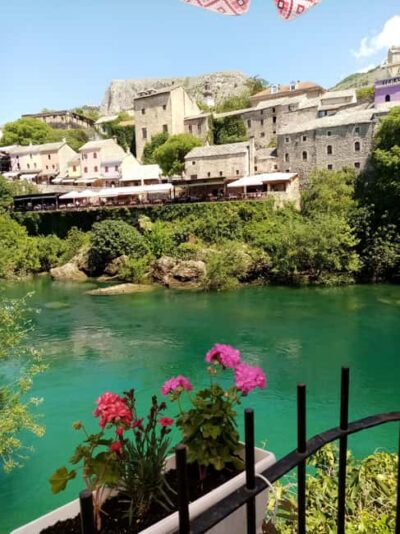
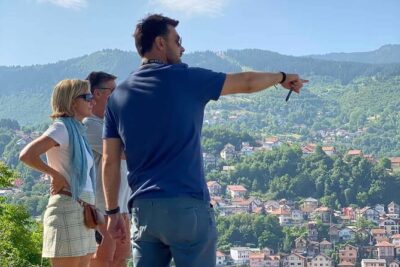
Sarajevo Full Day Tour: History, Culture, Nature, War & Olympics
Read our review →
Sarajevo genuine walking tour: Steps through history
Read our review →
SARAJEVO STREET ART TOUR (art, history & mystery) – sARTajevo!
Read our review →
BOSNIAN PYRAMIDS TOUR (nature, history & archeology)
Read our review →
Browse the lists this tour appears in