
Reviewed · SARAJEVO TOURS
Sarajevo for beginners
Sarajevo clicks into place in two hours. This beginner-friendly walking tour strings together Sarajevo’s big landmarks, from faith sites and Ottoman-era details to the 1914 story tied to Latin Bridge. You get a guided way to understand the city’s mix of cultures without needing a map app every two minutes.
I love how the route keeps you oriented with major squares, bridges, and old-town streets, not just one museum stop. I also like the hands-on local flavor, including coffee and quick culture lessons like what inat means, so the city doesn’t feel like a list of photos.
One consideration: admission tickets are not included for the stops, so if you want to go inside any churches, mosques, or museums, you’ll need to pay extra on your own.
In This Review
- Key Highlights You’ll Feel Right Away
- A Two-Hour Sarajevo Primer for First Timers
- Price and What You Actually Get for $34.92
- Starting at Trg fra Grge Martića, and Why Location Matters
- Stops 1 to 3: Three Faiths, One City Center
- Katedrala Srca Isusova
- Orthodox Church of the Nativity of the Theotokos
- Hotel Europe
- Stops 4 to 6: Tašlihan and Bezistan, Old Commerce Explained
- Taslihan Remains
- Gazi-Husrev Beg’s Bezistan
- Location of Sarajevo Assassination
- Latin Bridge and the 1914 Story: A Landmark With Meaning
- Latin Bridge
- Emperor’s Mosque and the Oldest Mosque Angle
- Emperor’s Mosque
- Stops 9 to 11: Inat kuća, Two Bridges, and City Hall
- Inat kuća (What Inat Means)
- Seher Cehaja’s Bridge
- Sarajevo City Hall
- Bravadžiluk Street and Kazandžiluk: Street Names You’ll Remember
- Bravadžiluk Street Development Story
- Kazandžiluk, an Authentic Street
- Sebilj and Baščaršija: The Square and the Soul
- Sebilj
- Baščaršija
- Morića Han and Fotokopirnica: The Cool Stop You Don’t Expect
- Fotokopirnica Morića Han
- Gazi Husrev-beg Mosque and the Turn Toward Jewish History
- Gazi Husrev-beg Mosque
- Different time, different story
- Jewish Museum of Bosnia and Herzegovina
- The Guide Factor: Why Samra and Others Make This Tour Work
- What to Expect Day-of: Timing, Group Size, and Walking Comfort
- Coffee and Local Tips: A Small Inclusion With Big Payoff
- Who This Tour Is For (and Who Might Want Something Else)
- Should You Book Sarajevo for Beginners?
- FAQ
- Is the tour duration really about two hours?
- What is included in the price?
- Are admission tickets included for the churches, mosques, or museums?
- How big is the group?
- Where does the tour start and end?
- What if plans change before the tour?
Key Highlights You’ll Feel Right Away
- Two-hour flow for first timers, with lots of famous checkpoints covered in a short window
- Coffee or tea included, so you’re not hunting for a break mid-walk
- A smart mix of religious sites, from cathedral and Orthodox church to mosques
- The Latin Bridge and assassination story, explained so the landmark makes sense
- Old bazaar streets like Baščaršija and Kazandžiluk, where Sarajevo’s street life shows up fast
- Local guiding style, with English delivery that’s praised for clarity and humor
Other Sarajevo trips worth comparing
- Sarajevo: Mostar, Konjic, Blagaj Tekke, Pocitelj & Waterfall
★ 4.9 · 1,666 reviews - Fall of Yugoslavia, Sarajevo War Tour with Tunnel of Hope Museum and Frontlines
★ 5.0 · 1,314 reviews - Sarajevo: Grand Walking Tour Through Time and Cultures
★ 4.8 · 1,236 reviews - Sarajevo: Mostar, Konjic, Sufi House, Pocitelj & Kravice Falls
★ 5.0 · 1,179 reviews
A Two-Hour Sarajevo Primer for First Timers
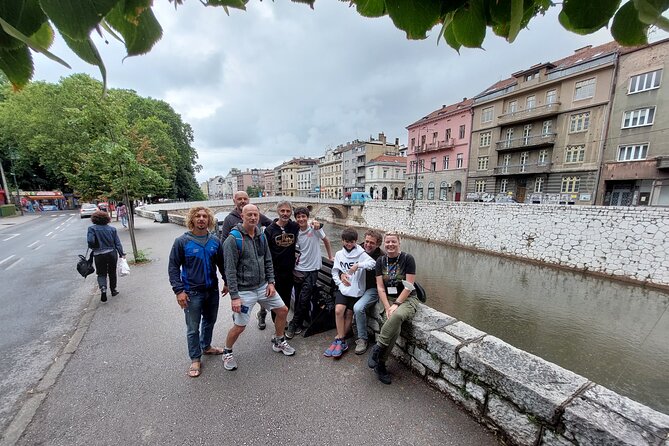
If you’re new to Sarajevo, the hardest part is figuring out what matters. This tour is built for that problem. In about two hours, you hit the key places that explain why Sarajevo looks the way it does, and why so many different groups have shaped the city.
The pace is tight, but it’s not frantic. You’re mostly moving through the Old Town, stopping briefly at each point so you can connect the names you’ll see on signs with what’s actually going on around you. If you want one short outing that gives you a foundation, this is a solid start.
Price and What You Actually Get for $34.92
At $34.92 per person for roughly two hours, this isn’t a budget-buster. But it does compare well when you think about what’s included.
You get an English-guided walking route, a mobile ticket, and coffee and/or tea during the experience. The group size is capped at 18, which usually means you can hear the guide and not feel like you’re just being marched through checkpoints.
The main trade-off is that admission is not included. Many stops are quick looks from the outside, and some places may be worth paying extra to enter depending on your interests and time.
Starting at Trg fra Grge Martića, and Why Location Matters
The tour starts at Trg fra Grge Martića (Trg Fra Grge Martića), and it ends back at the meeting point. That matters because it keeps the “where do I go next?” stress low.
A morning start at 9:00 am also helps. You tend to get better walking conditions early, and you can still fit in other parts of Sarajevo later the same day without feeling rushed.
It’s also listed as being near public transportation, so if your hotel is elsewhere, you should be able to reach the meeting point without too much hassle.
Another way to spend the day from here:
Stops 1 to 3: Three Faiths, One City Center
The first stretch is a fast orientation through Sarajevo’s spiritual landmarks.
Katedrala Srca Isusova
You begin at Katedrala Srca Isusova, a cathedral that’s described as simple but beautiful. Even if you keep the stop brief, it sets the tone. You’re looking at one side of Sarajevo’s religious identity right away.
If you want to go inside, remember admission isn’t included, so you’ll need to decide on the spot.
Orthodox Church of the Nativity of the Theotokos
Next is the Orthodox Church of the Nativity of the Theotokos, a Serbian Orthodox church. This quick comparison right next door to other historic sights is one of the tour’s best uses of time.
You’re not just seeing buildings. You’re seeing how different traditions sit side by side in the same urban story.
Hotel Europe
Then you reach Hotel Europe, billed as the first hotel in Sarajevo and the oldest in South-East Europe. This is an interesting pivot, because it adds a “modern history” angle to the religious landmarks.
It helps you understand that Sarajevo’s story is not only temples and streets. It’s also the places where people gathered, traveled, and did business.
Stops 4 to 6: Tašlihan and Bezistan, Old Commerce Explained
After the early landmarks, the route leans into Ottoman-era urban life: trade, markets, and the shape of everyday routes.
Taslihan Remains
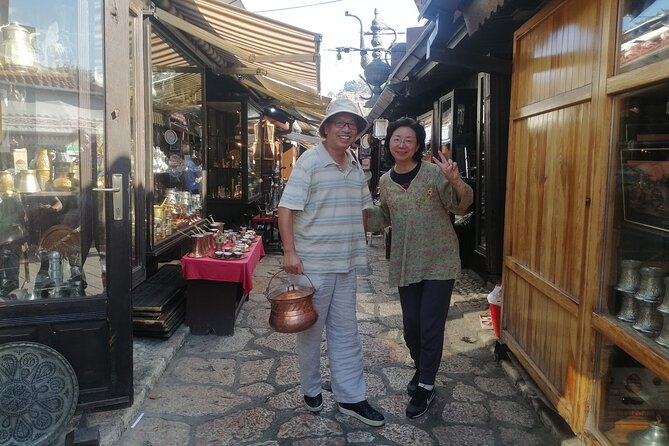
At Tašlihan, you’ll see the remains of Tašlihan. Even from a quick stop, ruins have a way of making time feel real. They also help you picture how parts of the city used to function before today’s street plan.
Gazi-Husrev Beg’s Bezistan
Then it’s Gazi-Husrev Beg’s Bezistan, described as the original shopping mall in Sarajevo. The word “bezistan” often points to a covered market, and this stop gives you a chance to connect that idea to what you see in the area now.
If you like food markets, crafts, and old shopping streets, this section sets you up nicely for later stops like Kazandžiluk and Baščaršija.
Location of Sarajevo Assassination
Next is the location of the Sarajevo assassination, where the history of the world changed. This is the heaviest emotional moment on the route, so the guide’s framing matters.
You’ll walk away with a clearer sense of how a specific spot in Sarajevo became globally important. That context makes later landmarks like the bridge feel more than just scenic.
Latin Bridge and the 1914 Story: A Landmark With Meaning
Latin Bridge
The tour pauses at Latin Bridge, described as the bridge with three names. That detail is exactly the kind of thing that makes first-time visitors feel smarter fast.
Bridges are practical, but in Sarajevo they’re also symbolic. With the assassination story already introduced, you’ll understand why this bridge is treated as a key historical reference point.
If you’re the type who likes to take photos, this is one of your best shots, but it’s also one of your best “stop and listen” moments.
Emperor’s Mosque and the Oldest Mosque Angle
Emperor’s Mosque
Then you’ll see Emperor’s Mosque, described as the oldest mosque in Sarajevo. This is a quick but meaningful check-in point. It gives you a historical anchor for Sarajevo’s Islamic heritage before you move deeper into the old bazaar area.
Even if you don’t go inside, the guide’s explanation helps you read the city more accurately as you walk.
Stops 9 to 11: Inat kuća, Two Bridges, and City Hall
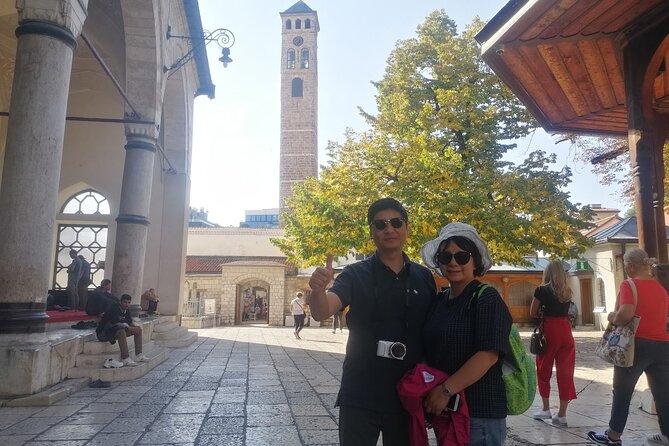
Now the route turns into a story about character, built form, and the way Sarajevo’s layers show up on the street.
Inat kuća (What Inat Means)
At Inat kuća, you’ll learn what inat is. This is the kind of cultural lesson that makes Sarajevo feel more human. It’s not only about monuments. It’s about a mindset people recognize.
This stop also connects well to the way Sarajevo is often described as stubborn, proud, and complicated. The word gives you a shortcut for understanding why.
Seher Cehaja’s Bridge
Next is Seher Cehaja’s bridge, described as the oldest bridge in Sarajevo, second built. Bridges can look similar from a distance, but this stop is here for a reason.
It’s a chance to notice how Sarajevo’s early design decisions influenced movement and meeting places, which matters later when you reach Sebilj and Baščaršija.
Sarajevo City Hall
Then comes Sarajevo City Hall, built during Austro-Hungarian times in the center of the Old part of town, and said to fit perfectly with Ottoman architecture. That contrast is the point.
This is where you start to see how Sarajevo isn’t one style or one era. It’s more like a stack of eras that kept getting repurposed.
Bravadžiluk Street and Kazandžiluk: Street Names You’ll Remember
A good guide doesn’t only show you places, they teach you how to orient yourself by the city’s logic. This is where that kicks in.
Bravadžiluk Street Development Story
At one stop, you’ll hear the story of the development of Bravadžiluk street. You’re basically getting the “why” behind the street’s importance, not just the label.
When you later walk past Bravadžiluk on your own, the explanation gives you context to understand what you’re seeing.
Kazandžiluk, an Authentic Street
You then reach Kazandžiluk, described as one of the most authentic streets in Sarajevo. This is an excellent stop for first-timers because “authentic” can be vague unless you know what to look for.
In practice, this kind of street usually means you’ll notice traditional craft vibes, older street scale, and that Bazaar feeling where commerce is part of the city’s daily rhythm.
Sebilj and Baščaršija: The Square and the Soul
Sebilj
Sebilj is a meeting place for many. You stop briefly, but it’s one of those anchors that helps you map the rest of the area.
Even if you don’t buy anything, it’s a useful reference point. You’ll recognize it later, and you’ll know you’re in the core of the old town.
Baščaršija
Then it’s Baščaršija, described as Sarajevo’s main square. This stop works as a payoff. By now you’ve covered churches, mosques, markets, and bridges, so the square stops feeling like a random landmark and starts feeling like the natural center of the city’s street life.
Morića Han and Fotokopirnica: The Cool Stop You Don’t Expect
Fotokopirnica Morića Han
The tour visits Fotokopirnica Morića Han, described as probably the coolest place in Sarajevo. That description is interesting because it’s not a classic “museum-bomb” stop.
It signals that the guide is paying attention to how locals actually experience the city now, not only how it looked in old photos. If you like quirky, slightly unexpected places, this is a highlight.
Even if you just pause and take it in, it’s a reminder that Sarajevo’s character isn’t trapped in the past.
Gazi Husrev-beg Mosque and the Turn Toward Jewish History
Gazi Husrev-beg Mosque
Later you’ll reach Gazi Husrev-beg Mosque, described as the central mosque in Sarajevo. It’s a key marker because it ties together the earlier mosque stop with a more central, city-defining presence.
The guide’s narration here matters, especially if you’re trying to understand why Sarajevo’s religious buildings are so prominent in the city center.
Different time, different story
Right after that, you get a narrative shift described as Different time, different story. In a beginner-friendly tour, these transitions are important. They help you reset your thinking and avoid treating each stop like an isolated photo op.
Jewish Museum of Bosnia and Herzegovina
Finally, you visit the Jewish Museum of Bosnia and Herzegovina. This stop includes the square plus the story of Jews in Bosnia and Herzegovina, with a longer pause than most of the other points.
It’s also a good reminder that Sarajevo’s identity is not only Catholic-Orthodox-Muslim. It’s also a place where a Jewish community played a role, and where that history is still part of the conversation.
The Guide Factor: Why Samra and Others Make This Tour Work
The route is packed, but it’s the guiding that makes the information stick.
In the feedback you’ll find an emphasis on guides like Samra and also Irfan. The common thread is clarity in English, plus a mix of humor and serious accuracy when the history gets heavy. I like that the approach feels like a conversation more than a scripted lecture.
You’ll also get practical help, like advice on how to drink Bosnian coffee. That kind of tip is small, but it makes a huge difference once you start ordering on your own.
What to Expect Day-of: Timing, Group Size, and Walking Comfort
This is an approximately two-hour walking tour with a maximum of 18 people. That group cap helps, because you’re less likely to be “lost in the back.”
Many stops are short, and admission is not included for the sights. So you should be ready for a mix of outside views, brief explanations, and a decision point on whether you pay to go inside something.
It’s smart to wear shoes you can handle on uneven old-street paving. Also, religious sites mean you might want to dress respectfully, especially if you plan to enter.
Coffee and Local Tips: A Small Inclusion With Big Payoff
This tour includes coffee and/or tea, which is more than a perk. It’s a strategy.
It gives you a planned break so you don’t start rushing, and it also primes you for the guide’s tips on how to order and enjoy Sarajevo coffee. If you’ve ever had to ask awkward questions at cafés, you’ll appreciate that the tour gives you an easier way to participate like a local.
Who This Tour Is For (and Who Might Want Something Else)
This “Sarajevo for beginners” walk is a great match if you:
- Want a first-day orientation without planning a route
- Prefer history explained at street level, not only inside museums
- Like variety, meaning faith sites, bridges, and bazaars in one go
- Appreciate an English guide who can answer questions quickly
It may be less ideal if you:
- Want a museum-heavy day with lots of paid admissions
- Hate walking on tight old streets
- Only care about one theme, like only Austro-Hungarian architecture or only wartime history
Should You Book Sarajevo for Beginners?
I think it’s a smart booking if you want your Sarajevo trip to start with clarity. The value comes from the combination of major landmarks, a tight two-hour structure, and the fact that you’re guided by locals who explain the meaning behind what you’re seeing.
I’d book it if you’re short on time, new to the Balkans, or worried you’ll miss key context. I’d pause and consider a different option if you want lots of indoor access with admissions already handled.
If your goal is to get your bearings fast and understand why Sarajevo’s landmarks matter, this one is hard to beat for the price and the pace.
FAQ
Is the tour duration really about two hours?
It runs for approximately two hours. The route is designed as a short, focused walking experience with brief stops at each landmark.
What is included in the price?
The tour includes coffee and/or tea, an English-speaking guide, and a mobile ticket. Admission tickets for the individual stops are not included.
Are admission tickets included for the churches, mosques, or museums?
No. The stops list indicates admission tickets are not included, so if you want to enter a site, you’ll likely need to pay separately.
How big is the group?
The experience has a maximum of 18 travelers, which helps keep the tour manageable and easy to follow.
Where does the tour start and end?
It starts at Trg fra Grge Martića (Trg Fra Grge Martića, 71000 Sarajevo) and ends back at the meeting point.
What if plans change before the tour?
You can cancel for a full refund if you cancel up to 24 hours in advance. If you cancel less than 24 hours before the start time, the amount paid is not refunded.
Most recently added near Sarajevo
- Sarajevo : Private Walking Tour With A Guide (Private Tour)★ 5.0 · 1 review
- Sarajevo: Islamic Tour | 500+ years of Glorious Heritage★ 5.0 · 1 review
- Sarajevo: Srebrenica – A Journey of Remembrance★ 5.0 · 1 review
- Transfer tour Sarajevo-Dubrovnik★ 5.0 · 1 review
- Bunker: Tito’s Secret & Boracko Lake Tour from Sarajevo★ 5.0 · 1 review
- Svrzo House Entrance Ticket★ 5.0 · 1 review
- Thrilling Rafting Adventure on the Neretva River with Lunch★ 5.0 · 1 review
- Private transfer (FROM-TO) Sarajevo – Dubrovnik★ 5.0 · 1 review
Sarajevo Tours, compared.
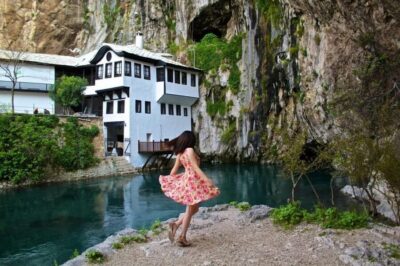
Mostar, Konjic, Blagaj Tekke, Pocitelj & Waterfall
Read our review →
Fall of Yugoslavia, Sarajevo War Tour with Tunnel of Hope Museum and Frontlines
Read our review →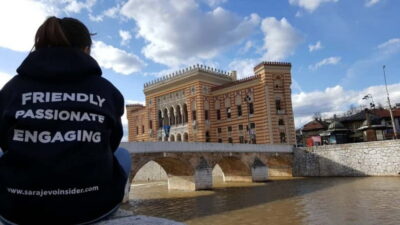
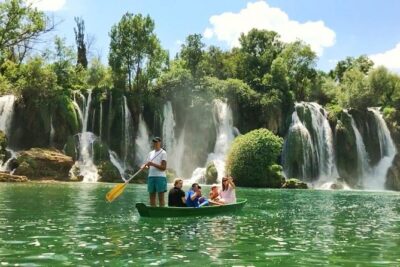
Mostar, Konjic, Sufi House, Pocitelj & Kravice Falls
Read our review →
Tunnel Museum Yugoslavia War Tour with War Veteran
Read our review →
ROSES OF SARAJEVO (Official WAR + CITY tour)- Story of a Survivor
Read our review →
Tunnel Museum: Bosnian & Yugoslav Wars Tour with War Veteran
Read our review →Browse the lists this tour appears in