
Reviewed · TOURS
Sarajevo: Islamic Traditions and Daily Life Tour
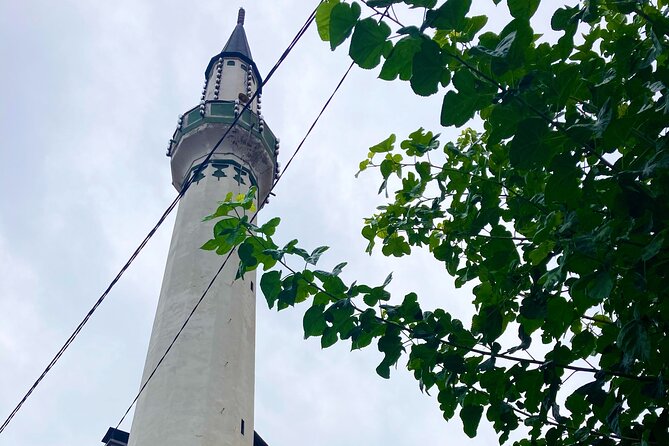
Islam in Sarajevo is easier to see up close. This 2-hour tour walks you through the city’s most meaningful Islamic landmarks, plus real places where tradition still shapes daily life. I especially love how the route starts at Emperor’s Mosque and how it ends up at Svrzo’s House, where domestic Muslim culture comes alive. One consideration, though, is that this is a walking tour and it is not recommended for people with limited mobility or wheelchair users.
What makes it feel worthwhile is the way the story is told. The guides, including names like Suad, Emina, Alam, and Haris, focus on practical understanding, not just dates. You get explanations in English or Bosnian, time for questions, and a pace that stays relaxed enough to keep thinking instead of rushing.
You will also see the “small stuff” that makes Sarajevo feel distinct: Ottoman architecture around each bend, the lunar clock symbolism near Baščaršija, and the chance to stop at Sebilj Fountain for a quick sip. It’s a short outing, but it connects mosque, school, home life, and street culture into one clear loop.
In This Review
- Key things I’d circle before you book
- Why this 2-hour Sarajevo route works so well
- Starting point and the pace in the old center
- Mejdan to Emperor’s Mosque, where the city’s early spiritual thread starts
- Hotel Isa-begov hamam, the Ottoman bath as a social space
- Gazi Husrev-beg Mosque, madrasa, and library: the education link
- Svrzo’s House Museum, daily Muslim life in an 18th-century home
- Fakultet islamskih nauka, Islam as education today
- Baščaršija, Sebilj Fountain, and the lunar Clock Tower
- The viewpoint stop: turning walking into real orientation
- Price and value: what $29 really buys you
- What to wear: the practical rule that keeps the tour smooth
- Who this tour is for, and who should skip it
- Should you book this Sarajevo Islamic Traditions and Daily Life Tour?
Key things I’d circle before you book
- Emperor’s Mosque first, so the story starts at the oldest roots
- Gazi Husrev-bey’s complex in one stretch (mosque, madrasa, library)
- Svrzo’s House adds daily life, not only big monuments
- Clock Tower and Sebilj Fountain make the culture feel local and lived-in
- Licensed local guide, with English or Bosnian for clear explanations
- Small-group feel can make questions easy to ask and get answered
Other Sarajevo trips worth comparing
- Sarajevo: Mostar, Konjic, Blagaj Tekke, Pocitelj & Waterfall
★ 4.9 · 1,666 reviews - Fall of Yugoslavia, Sarajevo War Tour with Tunnel of Hope Museum and Frontlines
★ 5.0 · 1,314 reviews - Sarajevo: Grand Walking Tour Through Time and Cultures
★ 4.8 · 1,236 reviews - Sarajevo: Mostar, Konjic, Sufi House, Pocitelj & Kravice Falls
★ 5.0 · 1,179 reviews
Why this 2-hour Sarajevo route works so well
Sarajevo has a way of teaching you without a lecture. In just two hours, you’ll connect religious buildings to the rhythms of ordinary life, from how spaces are designed to what people learned, practiced, and valued. The best part is that the tour doesn’t treat Islam as something distant or frozen in time. It treats it as a living part of Sarajevo’s identity.
I like that the route is built around meaning, not just photo stops. Yes, you’ll take pictures. But you’ll also learn why these buildings sit where they do, why certain architectural choices matter, and how education, charity, and community life were woven together.
The walking is also practical. It’s short, but not a drive-by. You get enough time at key sites to actually notice details, then move on before you get bored.
Starting point and the pace in the old center
You meet at Zelenih beretki 30, at the Sarajevo Insider Tour Agency (Insider City Tours and Excursions). From there, the tour shifts quickly into an easy walking rhythm through the historic core. That matters, because the Islamic sites here are close enough to stitch into one story, without forcing you into a long day.
You should also know what kind of day this is. It’s not “sit and listen for two hours.” Expect guided walking, photo pauses, and a few visits where you’ll go inside. That mix is ideal if you want context, but you still like to move.
The one downside is physical: this tour is not set up for limited mobility, and it is not suitable for wheelchair users. If your walking is shaky or slow, this will likely feel stressful rather than enjoyable.
Mejdan to Emperor’s Mosque, where the city’s early spiritual thread starts
The route opens with a photo stop at Mejdan. Think of it as a warm-up, a quick way to orient yourself before the tour begins pulling you into the Ottoman-era heart of the city.
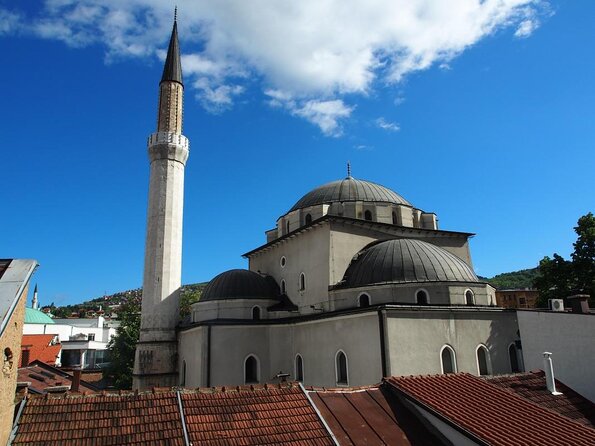
Then you hit Emperor’s Mosque, Sarajevo’s oldest mosque and a major anchor for Islamic heritage here. You’ll get a guided look at what makes it significant, not just its age. Pay attention to how the mosque connects to its surroundings. In cities like Sarajevo, religious buildings often act like community landmarks, not isolated monuments.
What I like about starting here is that it trains your eyes. Once you understand why one mosque mattered historically, the later stops make more sense. You’ll spot patterns in design and in how the city organizes life around sacred spaces.
Another way to spend the day from here:
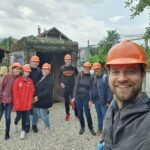
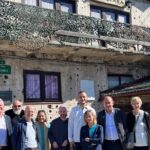
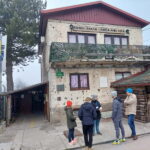
Hotel Isa-begov hamam, the Ottoman bath as a social space
Between major mosque stops, the tour includes a photo stop at Hotel Isa-begov hamam. Hamams were never just about bathing. They were social hubs, places where people gathered, cleaned up, talked, and kept daily life moving.
Even if you only glance from outside, this pause helps you see Islam in the everyday sense. It’s not only about places for prayer. It’s also about places where community rituals and routines shaped the city’s culture.
If you tend to connect most to “how people lived,” this stop is more valuable than it sounds. You’ll start thinking about the city as a set of functions, not just buildings.
Gazi Husrev-beg Mosque, madrasa, and library: the education link
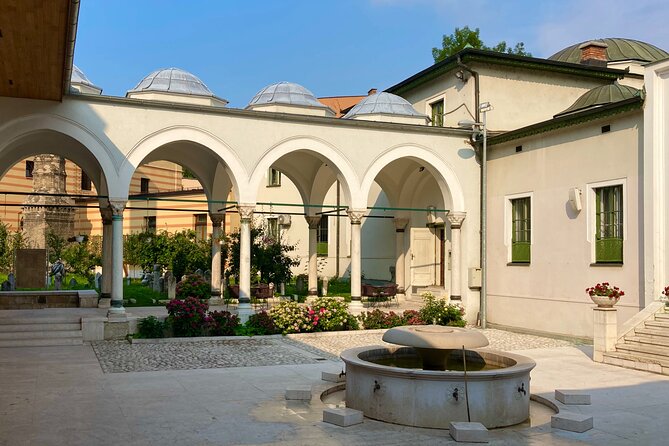
The tour’s big Ottoman cluster is Gazi Husrev-beg Mosque. This is a heart-of-Sarajevo moment for Muslim life in the city’s Ottoman period, and it’s where the architecture and spiritual purpose combine in a way you can feel immediately.
From there, you continue to Gazi Husrev-beg Madrasa and Gazi Husrev-beg Library. This is a smart sequence. Many tours stop at the mosque and call it done. Here, you see the “learning side” as part of the same system.
The madrasa shows you how Islamic education was built into the urban fabric. The library helps you understand what knowledge looked like in practice, especially in a city where religious and cultural life were tightly connected.
One thing I appreciate is that the guides do not only point at structures. They explain why these spaces mattered, including how the legacy influenced Sarajevo’s development. That’s what turns the visit from sight-seeing into understanding.
Svrzo’s House Museum, daily Muslim life in an 18th-century home
Now for my favorite kind of stop: Svrzo’s House. It’s not a grand mosque. It’s an 18th-century home museum. That difference is the point.
This is where you learn the “home version” of tradition. You’ll see how families lived, how space worked inside a household, and how Muslim life was expressed beyond religious architecture. The tour includes about 20 minutes here, which is long enough to absorb the story without dragging on.
If your goal is to challenge stereotypes, this is the section that does it best. You’ll come away seeing Islam in Sarajevo as normal life, not only ceremonies and monuments.
Fakultet islamskih nauka, Islam as education today
After Svrzo’s House, you’ll make a photo stop at Fakultet islamskih nauka u Sarajevu. This is a useful transition: it quietly reminds you that Islamic study did not end with the Ottoman era. It continues, and it continues right in the same city where those older institutions once shaped community life.
It’s a short stop, but it helps you connect past to present without turning the tour into a modern lecture.
Baščaršija, Sebilj Fountain, and the lunar Clock Tower
Next up is Baščaršija, Sarajevo’s old bazaar area. This is where you see the city’s everyday culture at street level. It’s also where religious identity and daily life overlap in a way you can feel just by walking.
Within this stretch, you’ll also have the key landmarks included in the experience highlights:
- Sebilj Fountain, where you can drink from Sarajevo’s iconic fountain
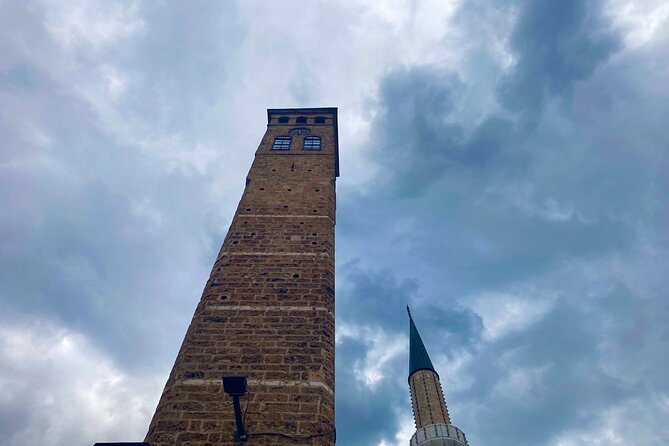
- The Clock Tower with its unique lunar clock, reflecting Islamic tradition
These stops are small, but they’re memorable because they connect time, community habits, and public space. A lunar clock is not just a cool detail. It’s a sign that local timekeeping and cultural rhythm mattered, and it mattered enough to build into visible public life.
I also like how the tour doesn’t treat Baščaršija as a random shopping stop. You get guided context while you walk, so you understand why this area belongs in the story.
The viewpoint stop: turning walking into real orientation
Before the tour wraps, there’s a view point stop with about 15 minutes set aside for a visit. This is your “breather and reset” moment.
You’ll use it to get your bearings and to connect the route you just walked with the city’s layout. Even if you take a lot of photos, the viewpoint is still useful for your brain. It makes the earlier stops feel like part of one system rather than separate highlights.
Price and value: what $29 really buys you
The base price is $29 per person for a 2-hour guided walking tour. That includes a licensed local guide and a city map. It also includes the benefit of skipping the ticket line at the sites that require entry.
On top of that, plan for entrance fees:
- 8 BAM (4.50 EUR) per person for the Gazi Husrev-bey Mosque and Madrasa
- 5 BAM (3.00 EUR) per person for Svrzo’s House Museum
So your total cost depends on what you choose to enter, but it’s still structured as good value for a short time. You’re paying for guided meaning at multiple sites, not just for access. And because the tour is timed tightly, you avoid the common “half-day lost in transit” problem.
If you only want mosque exteriors and quick photos, this may feel like overkill. But if you want to understand why these places mattered and how daily Muslim life fits into Sarajevo’s story, it’s priced to be fair.
What to wear: the practical rule that keeps the tour smooth
Islamic sites in Sarajevo expect modest dress. Bring:
- a long-sleeved shirt
- long pants
- a sarong (useful for covering when needed)
Shortcuts don’t work here. The tour data specifically says:
- no shorts
- no short skirts
- no sleeveless shirts
- no pets
I treat this as a “don’t lose your tour time” tip. If you show up dressed too casually, you may end up scrambling for a solution mid-walk. Packing the right layer makes the experience flow.
Who this tour is for, and who should skip it
This tour is ideal if you want:
- religion explained in everyday context
- Ottoman architecture that comes with real background
- a route that connects mosque, school, library, home life, and public culture
- guided time at major sites without a long day
It’s also a good match if you like asking questions. Many people find the guides make time for conversational answers, and you can follow up as you go.
Skip it if:
- you use a wheelchair, or
- you have limited mobility and you need step-free access
Should you book this Sarajevo Islamic Traditions and Daily Life Tour?
Book it if you want a compact, well-paced walk that connects the dots between Islamic heritage and real urban life in Sarajevo. The structure is strong: Emperor’s Mosque gives you the starting point, Gazi Husrev-beg builds the education and legacy story, and Svrzo’s House grounds everything in daily life.
You might skip it if you’re mainly after a relaxed shopping stroll, or if you cannot manage a walking route and indoor visits. For most able walkers who care about understanding more than taking photos, this one is easy to recommend.
Most recently added near Sarajevo
- Sarajevo : Private Walking Tour With A Guide (Private Tour)★ 5.0 · 1 review
- Sarajevo: Islamic Tour | 500+ years of Glorious Heritage★ 5.0 · 1 review
- Sarajevo: Srebrenica – A Journey of Remembrance★ 5.0 · 1 review
- Transfer tour Sarajevo-Dubrovnik★ 5.0 · 1 review
- Bunker: Tito’s Secret & Boracko Lake Tour from Sarajevo★ 5.0 · 1 review
- Svrzo House Entrance Ticket★ 5.0 · 1 review
- Thrilling Rafting Adventure on the Neretva River with Lunch★ 5.0 · 1 review
- Private transfer (FROM-TO) Sarajevo – Dubrovnik★ 5.0 · 1 review
Tours, compared.
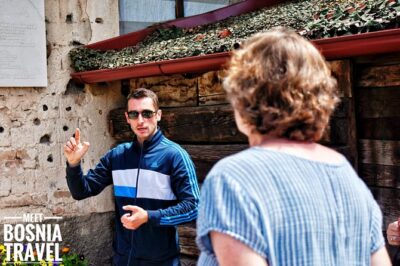
Fall of Yugoslavia, Sarajevo War Tour with Tunnel of Hope Museum and Frontlines
Read our review →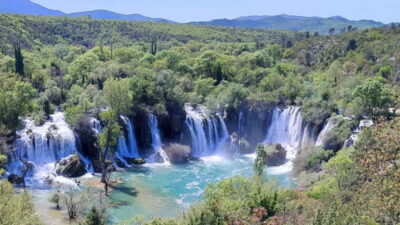
Blagaj, Počitelj & Kravice Waterfalls Day Tour
Read our review →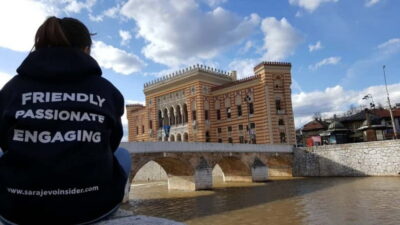
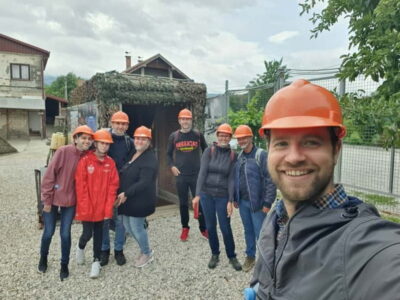
Tunnel Museum Yugoslavia War Tour with War Veteran
Read our review →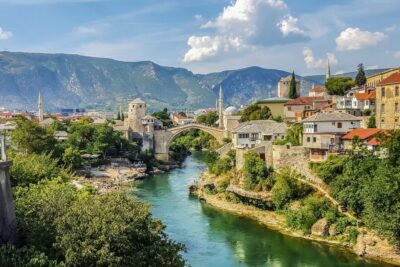
ROSES OF SARAJEVO (Official WAR + CITY tour)- Story of a Survivor
Read our review →
Discover Herzegovina Day Tour from Mostar: Kravice Waterfalls, Blagaj, Počitelj
Read our review →
Browse the lists this tour appears in