
Reviewed · WALKING TOURS
Old Town Sarajevo Walking Tour
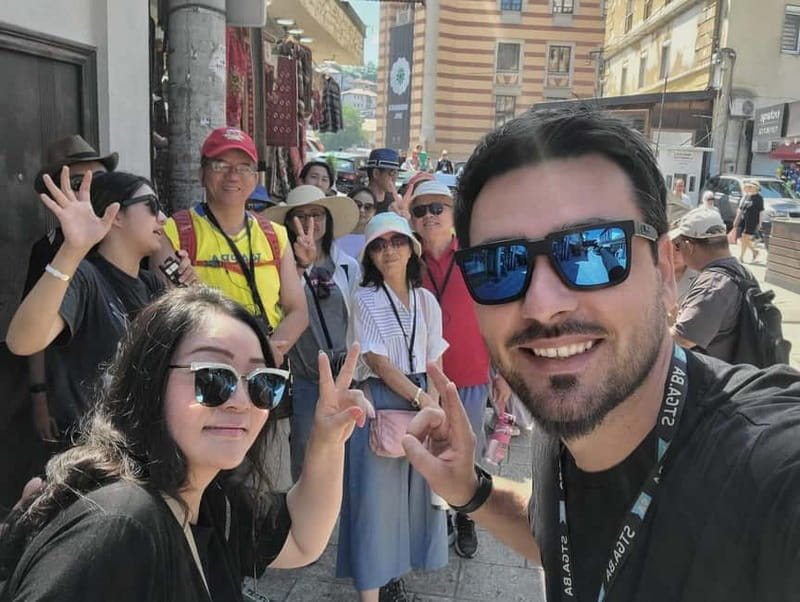
A city can change in a single block. Old Town Sarajevo is one of those places, and this walk connects the Ottoman bazaar maze to the events that helped trigger World War I. I especially liked the way the stops cover both faith and everyday life, from mosques and markets to the Jewish museum and synagogue. I also really appreciated the human side of the tour, since guides like Kiki and Elvis bring the stories to life with friendliness and real energy. One thing to consider: it is a 150-minute walking tour, so wear comfy shoes and plan for uneven, old-street surfaces.
You’ll start at the square across from Sarajevo City Hall (Vijecnica), then move through Ottoman Sarajevo first, with narrow lanes, craft streets, and the Baščaršija area. Later you shift into the Austro-Hungarian parts of town, where the Latin Bridge story, the main promenade, Sacred Heart Cathedral, and other big landmarks make more sense in context. The main drawback is simple, it is not a sit-and-glance kind of tour, you will be on your feet and listening for a while. That said, if you like history that explains how the city works day to day, it’s a strong fit.
In This Review
- Key Highlights You Shouldn’t Miss
- Where You Start, and How the Walk Gets You Oriented
- Ottoman Sarajevo: Kazandžiluk, Baščaršija, and the City’s Daily Rhythm
- Morića Han: The Coffee Stop That Fits the Story
- Gazi Husrev-beg Mosque and Bezistan: Where Faith Meets Commerce
- Latin Bridge and the WWI Trigger: The Most Heavy Part, Done With Context
- Meeting of Cultures, Jewish Sarajevo, and the Places Many Visitors Skip
- Sacred Heart Cathedral and the City Market Hall: Reading Austro-Hungarian Sarajevo
- Bosnian War, Siege of Sarajevo, and Winter Olympics 84: The 20th Century in Plain Talk
- Price and Pace: Is It Worth $17?
- Who This Walking Tour Suits Best
- Should You Book This Old Town Sarajevo Walking Tour?
- FAQ
- How long is the Old Town Sarajevo Walking Tour?
- Where does the tour meet?
- Is the tour guided in English?
- What is included in the tour price?
- Is food included?
- Is this tour wheelchair accessible?
Key Highlights You Shouldn’t Miss
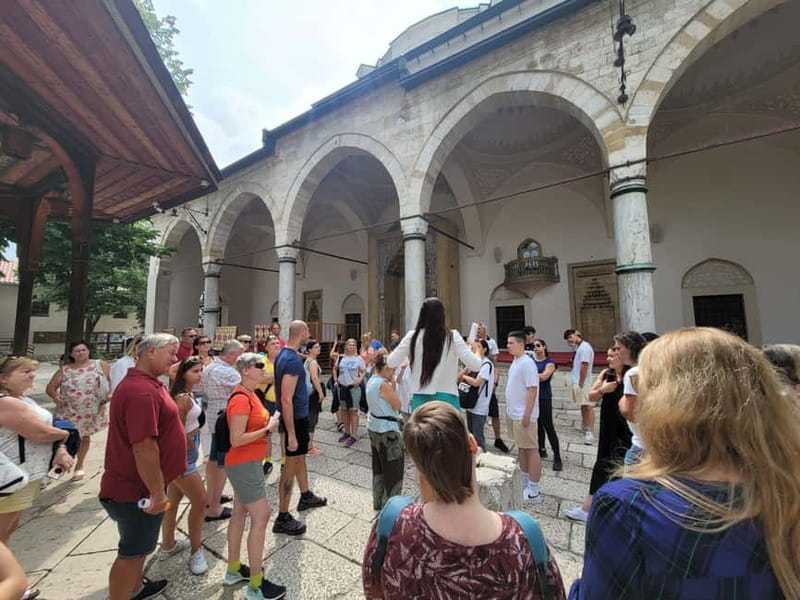
- Baščaršija Bazaar and the Ottoman street scene, including traditional crafts and the feel of old Sarajevo
- Morića Han coffee tasting, a quick pause that fits the pace and the neighborhood
- Gazi Husrev-beg Mosque and Bezistan, where religious life and historic commerce meet
- Latin Bridge, the site tied to the assassination that helped set off World War I
- Museum of the Jews of Bosnia and Herzegovina, for Jewish Sarajevo context without the guesswork
- Sarajevo’s 20th-century weight, including talk of the Bosnian War and the Siege of Sarajevo
A few more Walking Tours in Sarajevo
- Sarajevo: Grand Walking Tour Through Time and Cultures
★ 4.8 · 1,236 reviews - Sarajevo: 2 Hours Old Town Walking Tour With Local Guide
★ 5.0 · 505 reviews - Private Walking Tour, Food Tasting and Bosnian Coffee in Sarajevo
★ 5.0 · 255 reviews - Sarajevo Grand Walking Tour
★ 5.0 · 232 reviews
Where You Start, and How the Walk Gets You Oriented
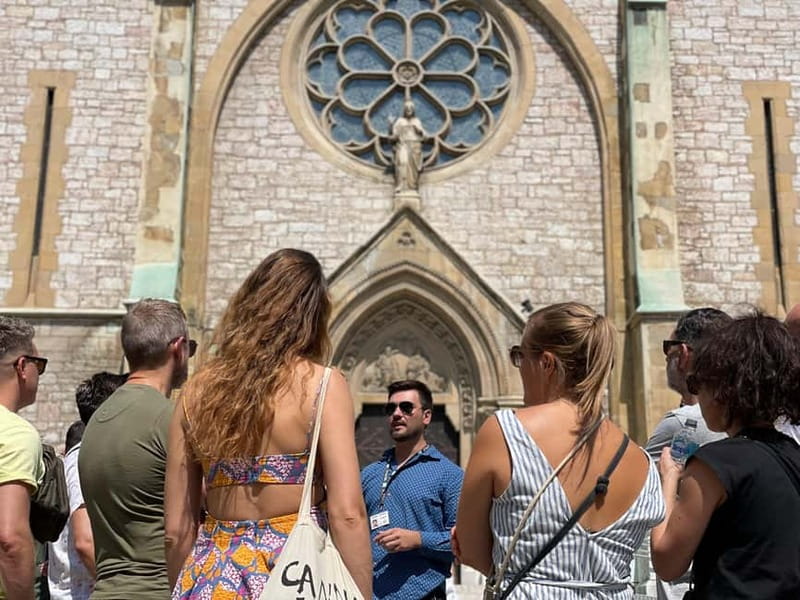
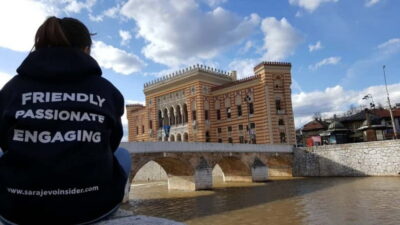
The tour meets on the square across the river from City Hall, Vijecnica, near the area of Veliki Alifakovac 1. You start with a short look around City Hall, then get moving into the older parts of town. That first stretch matters because Sarajevo can feel layered. You are not just walking past landmarks, you’re walking through different versions of the city.
I like that the tour is designed like a guided map. The early stops help you understand Ottoman Sarajevo’s street pattern, while later stops shift you toward the Austro-Hungarian layout and architecture. If you show up with questions like Which part is older? and How did the city change? this tour gives you answers on the sidewalk.
Timing is also a factor. At about 150 minutes, it’s long enough to do meaningful storytelling, but short enough that you can still add other things later in the day. With this kind of walking tour, that balance is part of the value.
Ottoman Sarajevo: Kazandžiluk, Baščaršija, and the City’s Daily Rhythm
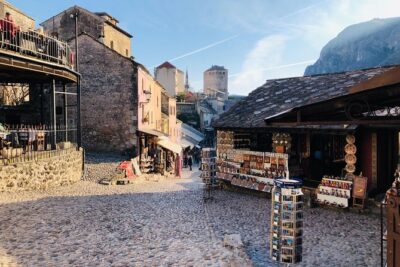
The first real zone is Ottoman-built Sarajevo, with narrow streets, bazaar energy, and mosque life threaded through the commercial blocks. One of the first named stops is Kazandžiluk, a craft area associated with metalwork. Even if you do not buy anything, watching coppersmiths at work is the kind of detail that makes a city feel real. You stop seeing Ottoman as a label and start seeing it as daily life.
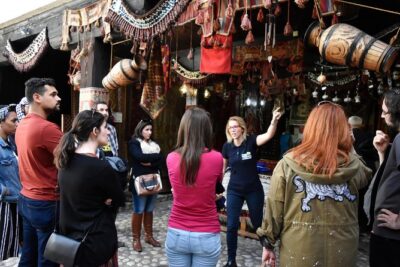
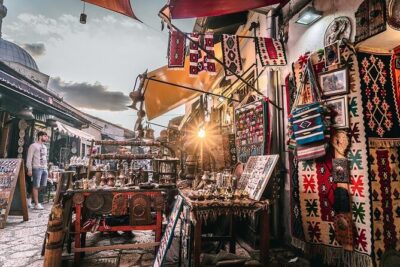
Then you hit Baščaršija, the heart of the bazaar district. This is the place you expect in a good Old Town tour, lively, tight streets, and a layout that reflects how people moved centuries ago. What I like here is that you’re not only looking at buildings. You’re learning how the bazaar functions, which explains why later religious and civic sites feel connected instead of random.
If you’re into small sensory moments, the tour description hints at experiences like tasting water from the Sebilj fountain on Baščaršija Square, the way merchants did for centuries. You might also notice how preserved Ottoman structures shape the shopping lanes, so you get a practical sense of time layered into street design.
This part also includes a quick orientation window at a clock tower stop, just enough to keep you grounded in place while you move toward the more dramatic European-era landmarks later. For photographers, these streets give you plenty of angles, for first-time visitors, they make the whole city easier to navigate after the tour.
Morića Han: The Coffee Stop That Fits the Story
Morića Han is one of those stops that feels simple, until you realize it’s part of the city’s social system. A han in this context is tied to travel, trade, and the flow of people through the bazaar area. That’s why the guided segment and coffee tasting works so well. It’s not just a break, it’s a chance to connect the architecture and the culture to something you can do right now.
Coffee tasting is included in the tour experience, which I think is a smart move for value. You’re already paying for a guided history walk, and adding a small local food or drink moment makes the experience feel less like school and more like a day with someone who cares. You’ll also get a chance to refuel before the tour starts stacking bigger landmarks back to back.
One practical note: because you’re tasting and sitting briefly, it can be a good time to take stock of your energy level. If you’re someone who gets tired mid-walk, plan to sip slowly and keep your pace steady. From there, the tour continues into major religious sites and then toward Latin Bridge.
Another way to spend the day from here:
- Fall of Yugoslavia, Sarajevo War Tour with Tunnel of Hope Museum and Frontlines
★ 5.0 · 1,314 reviews
Gazi Husrev-beg Mosque and Bezistan: Where Faith Meets Commerce
Next up is Gazi Husrev-beg Mosque. This stop is more than a photo opportunity. It’s a guided visit, and it helps you understand why Sarajevo’s religious landmarks are often part of the city’s everyday identity, not just separate monuments.
Right after that, you’ll also visit Gazi Husrev-beg’s Bezistan. Bezistan is known as a covered shopping space tied to historic trade. This is one of the best conceptual pairings on the tour. You see the mosque, then you see where commerce moved in a protected, structured environment. It’s a clean way to understand how spiritual life and economic life shared the same urban space.
If you like architecture, this is where details often become clearer. The stonework, the layout, and the way these buildings anchor a neighborhood start to feel like a system rather than isolated sights. It also sets you up for what comes later. When you reach Austro-Hungarian Sarajevo, you’ll notice a different style of civic space and a different cultural rhythm.
Even if you are not a deep architecture person, you’ll likely come away with one useful takeaway. Sarajevo’s Old Town wasn’t built to look pretty from far away. It was built to function, and that’s why these sites matter.
Latin Bridge and the WWI Trigger: The Most Heavy Part, Done With Context
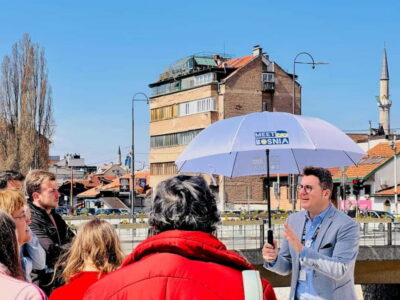
Latin Bridge is a headline stop, but in a good tour it shouldn’t feel like a history checkbox. Here, the focus is on the assassination of Archduke Franz Ferdinand and how that event helped trigger World War I. Even if you already know the basics, the walking context helps you understand why this spot became so significant.
What I appreciate is that the tour places this story among the city’s other layers, Ottoman and Austro-Hungarian, faith and commerce. That matters because it makes the location feel connected to the city that hosted the event, not like an isolated stage set. Sarajevo’s identity is shaped by what happened here, but also by what kept happening here day after day.
You also get movement and guided discussion, so you’re not standing still too long at one point. That keeps the pace reasonable, and it gives you time to adjust your expectations. The Latin Bridge segment can feel emotional or heavy for many visitors. If that’s your reaction, it helps that the tour continues to other cultural landmarks immediately afterward, so the city keeps its human scale.
Meeting of Cultures, Jewish Sarajevo, and the Places Many Visitors Skip
After Latin Bridge, the tour moves through the Sarajevo Meeting of Cultures area and includes Sacred Heart Cathedral. That sequence helps you see the city as a crossroads rather than a single narrative. Sarajevo has long been shaped by different communities living side by side, and the tour keeps pointing you toward that idea.
A standout stop is the Museum of the Jews of Bosnia and Herzegovina. You get a guided visit here, which is important. Without guidance, museums can feel like a random collection of objects. With context, it turns into a story about place, people, and how communities have experienced change over time.
The tour also includes visits to an Orthodox church and a synagogue. Those are not just “another building” moments. They reinforce the point that Sarajevo’s history is not only about empires and wars, it’s also about community life, religious practice, and how different traditions leave marks on the city.
If you want a souvenir from this tour beyond photos, I think it’s this understanding of shared space. You can walk through the city and see multiple communities, but you might not know how they fit together. The tour helps you connect those dots while you’re still close enough to observe the details.
Sacred Heart Cathedral and the City Market Hall: Reading Austro-Hungarian Sarajevo
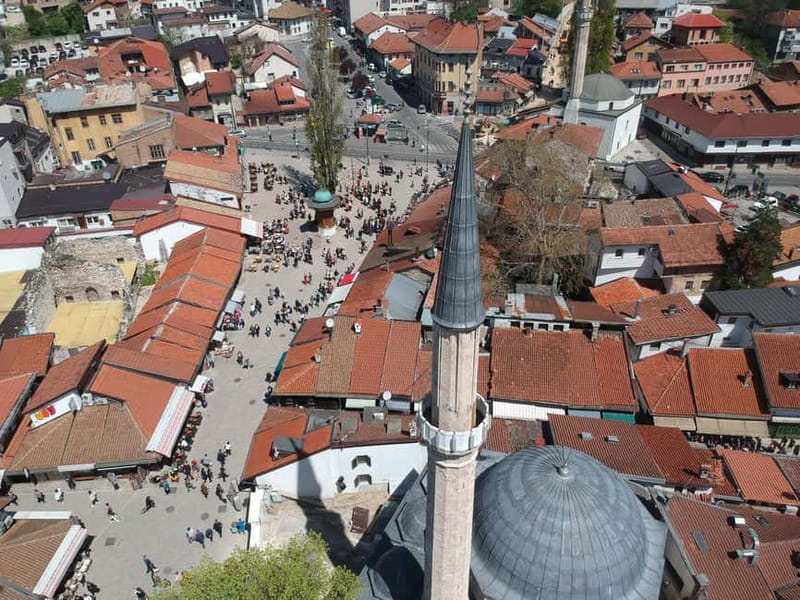
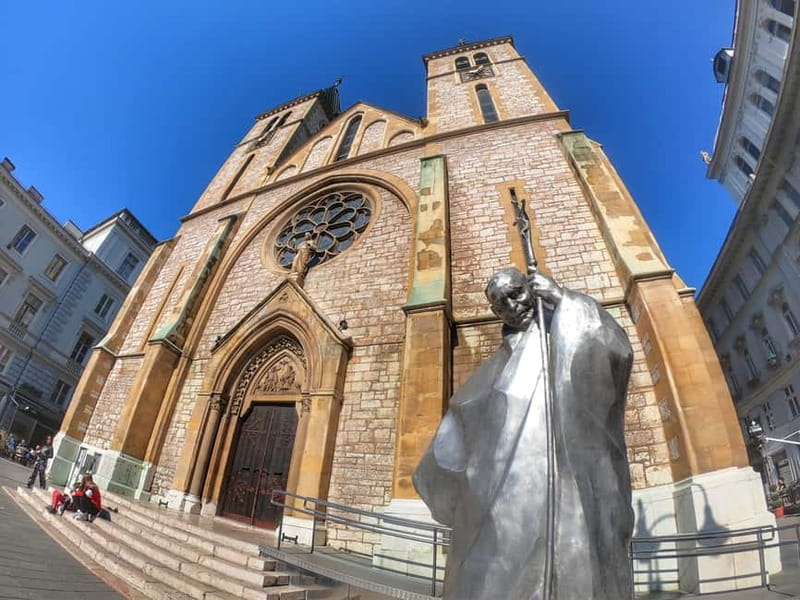
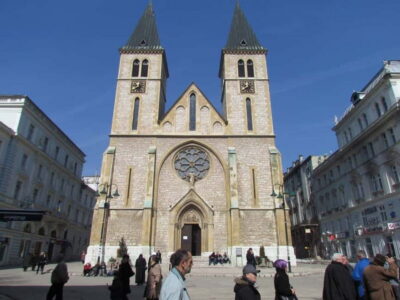
Sacred Heart Cathedral is one of the most recognizable Austro-Hungarian-era elements in Sarajevo’s center. The tour includes a guided visit, plus time to take in its role in the streetscape. What I like here is that the cathedral isn’t treated like an isolated landmark. It’s part of the larger European section of the city, so you’re learning how the urban style shifts over distance.
Then you visit the City Market Hall, another useful stop for understanding daily life. Markets are where you see what a city values in practical terms: food, trade, gathering. Even if you’re not shopping, a guided look at the market hall helps you see how Sarajevo’s public life formed around commerce.
The tour ends with another religious landmark, the Cathedral Church of the Nativity of the Theotokos. That finish gives you a full-circle feeling, because it started with Ottoman mosque and bazaar spaces and then moved through European-era institutions and public buildings.
When a walking tour includes both places of worship and places of trade, it’s usually doing something right. It tells you a city’s story through how people lived, not only through what rulers decided.
Bosnian War, Siege of Sarajevo, and Winter Olympics 84: The 20th Century in Plain Talk
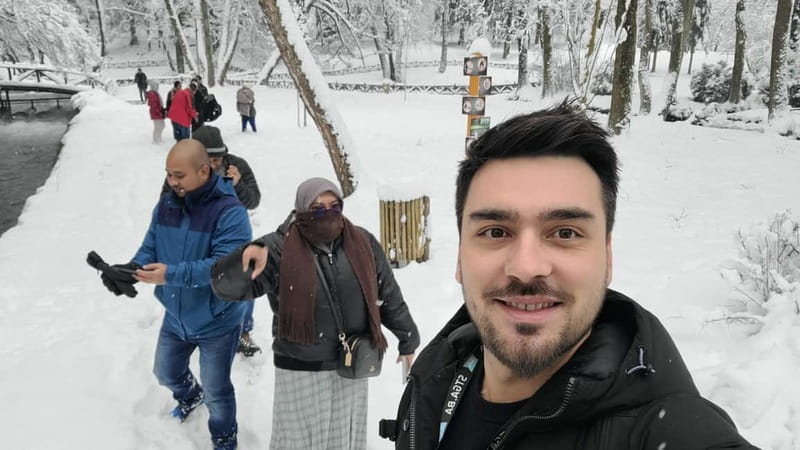
The tour talks about the Bosnian War and the Siege of Sarajevo, plus it connects in the Winter Olympics of 1984. That combination might sound unusual if you think of history as only conflict, but it makes sense when you’re walking around the city itself.
You see why the Siege remains part of Sarajevo’s identity, because it affected the city in a direct, daily way. And you also see why the Olympics mattered, because it shows a different side of Sarajevo, a time when the city aimed outward and hosted the world.
I find this part valuable because it stops history from becoming only dates. Instead, you get a sense of how modern Sarajevo carried both trauma and ambition in the same place. The guided talk helps you hold two realities at once, and that’s exactly what you need if you want to understand why people live there with so much pride and memory layered into ordinary life.
Price and Pace: Is It Worth $17?
At $17 per person for about 150 minutes with an English-speaking guide, this tour aims at solid value. The key is what’s packed into that time. You get the Ottoman bazaar district experience, major religious sites, Latin Bridge tied to WWI, the Jewish museum, and War and Siege context, plus a coffee tasting moment.
What you’re really paying for is not just sightseeing. You’re paying for a guide to connect the city’s layers, from Ottoman-era craft lanes and covered shopping to European-era architecture and the heavier 20th-century events. That connection is what turns a list of stops into understanding.
The one consideration is pace. You’re covering a lot of ground on foot. If you hate walking, or if you get pain easily, plan for breaks when you can, and consider whether you can comfortably handle uneven Old Town streets for the full time.
Who gets the most from this tour? First-timers to Sarajevo. People who like history but want it explained in a way that connects to streets and architecture. And anyone who wants a guided mix of Ottoman Sarajevo, Austro-Hungarian Sarajevo, and modern 20th-century context without having to piece it together alone.
Who This Walking Tour Suits Best
This tour is a great fit if you want:
- A structured way to understand Sarajevo’s Ottoman and Austro-Hungarian sides
- A guide who helps you connect landmarks to cultural context, not just name dates
- Stops that include both major “must-sees” like Latin Bridge and smaller context points like Bezistan and the Jewish museum
- A compact day experience, not an all-day marathon
It may be less ideal if:
- You want very long breaks or a mostly seated format
- You’re sensitive to walking time and Old Town surfaces
- You only want a light, entertainment-focused tour rather than war and siege discussion
The good news is that the tour includes wheelchair accessibility, so it is designed to welcome visitors with mobility needs. You still should think about comfort and support for walking segments.
Should You Book This Old Town Sarajevo Walking Tour?
Yes, if you want a guided walk that makes Sarajevo make sense. I’d book it when you want both big stories and street-level details, and when you appreciate guides who tell the why, not just the what. The repeated five-star feedback on guide style matters here, with Kiki and Elvis specifically praised for warmth, friendliness, and storytelling that helps you grasp cultural context quickly.
If you’re short on time and you want the best shot at seeing Ottoman bazaar Sarajevo, Austro-Hungarian landmarks, and the modern historical weight of the city, this tour gives you that balance in 150 minutes. Just bring comfortable shoes, pace yourself, and be ready for history that carries real emotion.
FAQ
How long is the Old Town Sarajevo Walking Tour?
The tour lasts 150 minutes.
Where does the tour meet?
You meet on the square across the river from Sarajevo City Hall (Vijecnica).
Is the tour guided in English?
Yes, the tour guide speaks English.
What is included in the tour price?
The tour includes an English speaking tour guide.
Is food included?
No, food is not included, but there is a coffee tasting stop during the tour.
Is this tour wheelchair accessible?
Yes, the tour is wheelchair accessible.
Most recently added near Sarajevo
- Sarajevo : Private Walking Tour With A Guide (Private Tour)★ 5.0 · 1 review
- Sarajevo: Islamic Tour | 500+ years of Glorious Heritage★ 5.0 · 1 review
- Sarajevo: Srebrenica – A Journey of Remembrance★ 5.0 · 1 review
- Transfer tour Sarajevo-Dubrovnik★ 5.0 · 1 review
- Bunker: Tito’s Secret & Boracko Lake Tour from Sarajevo★ 5.0 · 1 review
- Svrzo House Entrance Ticket★ 5.0 · 1 review
- Thrilling Rafting Adventure on the Neretva River with Lunch★ 5.0 · 1 review
- Private transfer (FROM-TO) Sarajevo – Dubrovnik★ 5.0 · 1 review
Walking Tours, compared.
Private Walking Tour, Food Tasting and Bosnian Coffee in Sarajevo
Read our review →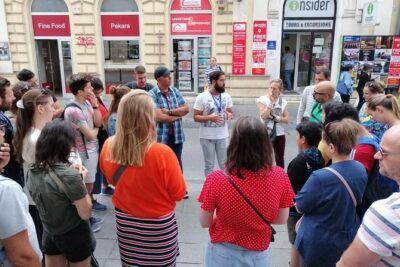
Browse the lists this tour appears in