
Reviewed · TOURS
7 Days Balkan Tour Bosnia Croatia Montenegro Albania N.Macedonia
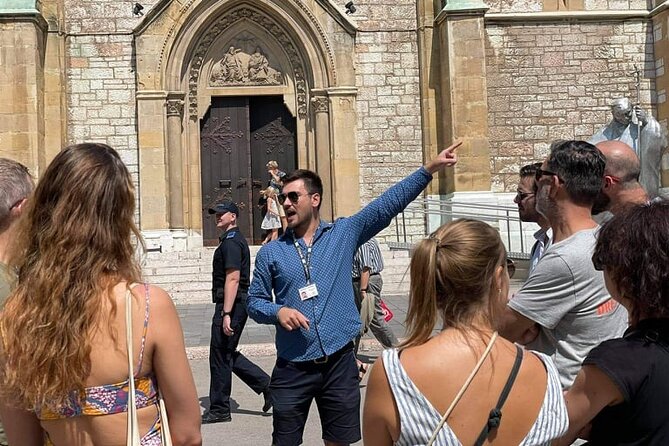
Sarajevo hits you fast, in the best possible way. I love the story-driven walking that ties Bascarsija, the Latin Bridge, and the War Tunnel into one clear timeline. I also like how local guides pop up city by city, so each place has context instead of stop-and-go sightseeing. A fair drawback to plan for is the long days of driving plus border time, which can feel tight if you want lots of free downtime.
This 7-day Balkan loop is built for first-timers who want big-name highlights without renting a car or translating everything. You get 6 nights at 4-star hotels with breakfast, an air-conditioned vehicle, and English help throughout. And yes, you will walk. A lot. Pack comfy shoes and a light layer for churches and mosques where you might need it.
In This Review
- Key things I’d watch for on this 7-day Balkan loop
- The smart idea: Five countries, one grounded route
- Sarajevo: Bascarsija, the Latin Bridge, and the War Tunnel in one thread
- Konjic to Mostar: Ottoman bridges, Mostar’s river banks, and a full Old Town
- Blagaj, Pocitelj, Kravice Falls, and Neum: Herzegovina’s variety pack
- Dubrovnik’s Old Town walls, then Kotor and Budva in Montenegro
- Shkoder and Tirana: Albania’s squares, mosques, and a dose of history
- Ohrid in North Macedonia: Old Town gates, old paper, and St Sofia
- Skopje: A guided walk on both sides of the Vardar River
- Price and value: what $2,013.49 includes, and what it means for you
- Practical notes that can make or break your week
- Who this tour suits best, and who should reconsider
- Should you book? My clear take
- FAQ
- What’s the pickup setup in Sarajevo?
- What’s included in the tour price?
- Are lunch and dinner included?
- Are entrance tickets included for all stops?
- Is this a private tour?
- What is the cancellation window?
Key things I’d watch for on this 7-day Balkan loop
- Sarajevo’s contrast, up close: Ottoman-era streets, WWI trigger points, and siege-era memory all within a single day.
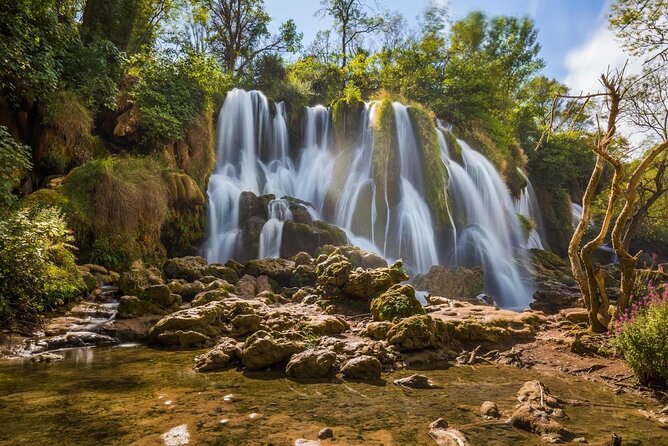
- Herzegovina through the windshield: Konjic, Mostar, Blagaj, Pocitelj, and Kravice Falls in a smooth road-trip arc.
- Dubrovnik walls plus Montenegro bays: guided Old Town time, then Kotor and Budva with actual free time to wander.
- Albanian capitals with real stops: Skanderbeg Square, Ethem Bey Mosque area, Mother Teresa Square, plus communist-era sights in Tirana.
- North Macedonia highlights without the hassle: Ohrid’s Old Town sites, then Skopje’s two-city feeling across the Vardar River.
Other Sarajevo trips worth comparing
- Sarajevo: Mostar, Konjic, Blagaj Tekke, Pocitelj & Waterfall
★ 4.9 · 1,666 reviews - Fall of Yugoslavia, Sarajevo War Tour with Tunnel of Hope Museum and Frontlines
★ 5.0 · 1,314 reviews - Sarajevo: Grand Walking Tour Through Time and Cultures
★ 4.8 · 1,236 reviews - Sarajevo: Mostar, Konjic, Sufi House, Pocitelj & Kravice Falls
★ 5.0 · 1,179 reviews
The smart idea: Five countries, one grounded route
What you’re buying here is not just a list of places. It’s a logistics win. You start in Sarajevo, then keep rolling through Herzegovina, the Adriatic, Albania, and North Macedonia. That means you spend your energy on viewpoints and streets, not on figuring out trains, buses, and last-minute hotel math.
The pacing is also designed for variety. Each day mixes guided time with breathing room. Some days are heavier on driving, but the schedule also gives you breaks where you can grab lunch on your own, pace your walking, and reset before the next city.
This is a private setup for your group, so you avoid the usual “everyone does their own thing” chaos. And because you’re in an English-speaking format with a driver-guide, you’re less likely to miss context when the conversation turns political, cultural, or historical.
Sarajevo: Bascarsija, the Latin Bridge, and the War Tunnel in one thread
Sarajevo is the kind of city where details matter. This day starts in the Old Town around Bascarsija Square and the craft streets, so you get your bearings fast. You’ll pass key landmarks like the City Hall area, then move toward the Sebilj monument in the center where the neighborhood energy is strongest.
From there, you slow down for craft history at a coppersmith shop, Hidic, set on a street that preserves an Ottoman-era feel. This is a small stop, but it’s the kind that makes the big historical layers feel human. You’re not just looking at buildings, you’re seeing how people once worked and lived.
Next comes Gazi Husrev-beg Mosque, where the stories focus on the Ottoman-era figure behind major works in Sarajevo. Expect the mosque visit to have an extra ticket note, so plan for that if you care about inside access.
Then the route pivots hard to WWI history with the Latin Bridge assassination trigger point. It’s short, but it lands because Sarajevo sits at a crossroads of identities. After that, you get a quick look at Jewish heritage at the Jewish Museum of Bosnia and Herzegovina area, with a short stop by the old temple site now used as a museum.
The Old Town walk also includes Katedrala Srca Isusova and Markale marketplace. Markale is especially emotionally heavy because it connects to the Siege of Sarajevo, daily bombings, and the massacre there. You don’t linger forever, but you do leave with the sense that the city’s story is not background noise.
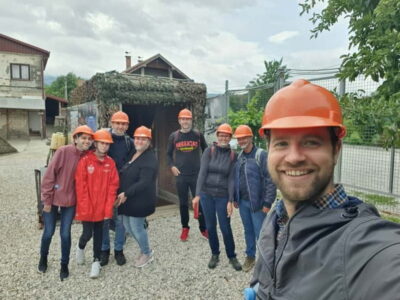
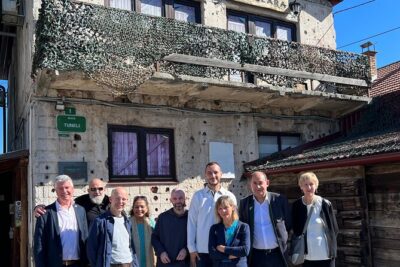
You finish with a panoramic drive and the Sarajevo War Tunnel museum. This stop is listed as included, and it’s one of the most practical ways to understand survival during the siege. If you want Sarajevo to make sense beyond photos, this is the anchor.
Konjic to Mostar: Ottoman bridges, Mostar’s river banks, and a full Old Town
Day two is all about switching from Sarajevo’s dense layers to Herzegovina’s dramatic geometry. You leave toward the Konjic area and stop at a Stone Ottoman bridge from the 1600s on the Neretva River. It’s a short visit, but it sets the tone. This is a region where waterways shape daily life.
Then the drive itself becomes part of the experience, passing the Jablanico lake area and the Neretva Canyon road stretch. Even if you only catch windows views, you’ll feel the terrain shift under you.
Mostar is where the day turns into an iconic Old Town visit. You’ll get a guided walk through the historic center, including the Ottoman bazaar area and views around the Stari Most bridge, plus both river banks. The route also includes Koski Mehmet Pasha Mosque.
The key value here is that you’re not trying to do Mostar alone under time pressure. You get orientation on what to see and why it matters, then you check into your hotel. After the 8-hour program block, the rest of the day becomes free and easy, which is smart. Mostar rewards a second look after your brain has had time to process it.
Practical tip: In Mostar, expect stones, stairs, and uneven footing. If you plan to take lots of photos, bring a power bank, because you’ll probably want to keep walking after the guided part ends.
Another way to spend the day from here:
Blagaj, Pocitelj, Kravice Falls, and Neum: Herzegovina’s variety pack
Day three is where Herzegovina stops feeling like a single corridor and starts feeling like a set of different worlds.
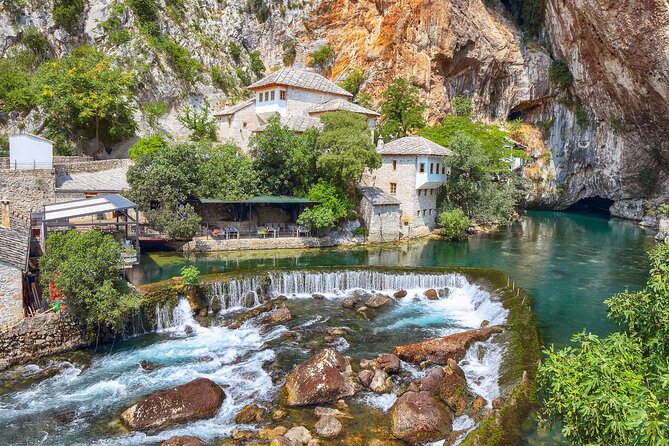
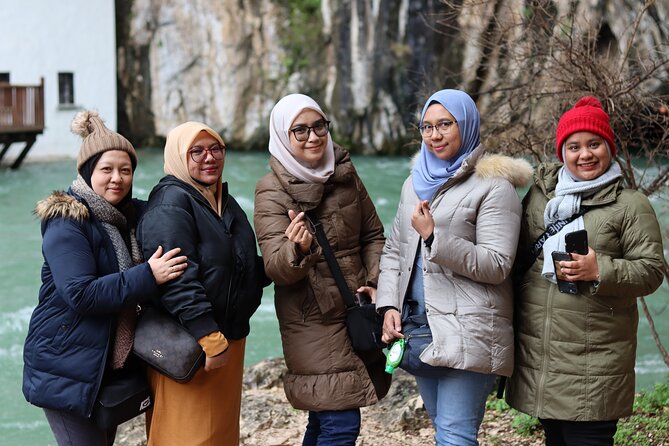
You begin with Blagaj, heading to the Buna River springs and Derwiah house. Even if you only have an hour, this stop gives you a natural contrast to the historical cities. It’s not just pretty water. It’s a place where architecture, river life, and culture overlap in a way that photographs well and also makes you slow down.
Next comes Pocitelj, a medieval stone town. The day gives you time for pictures and possibly a climb to the fortress from the 1500s. Pocitelj’s appeal is its compactness. You don’t need a lot of time to feel the medieval atmosphere, and the viewpoints make the climb worth it if you enjoy that kind of effort.
Then you hit Kravice Falls, described as one of the most beautiful waterfall areas in Herzegovina. This stop is listed as included for admission. If your only memory of the Balkans so far is city history, Kravice brings your senses back to nature. It’s the kind of break that makes the whole trip feel more balanced.
You end the day in Neum, noted as Bosnia and Herzegovina’s only coastal town. That matters because it changes the mood. You go from stone towns and river springs to an actual seaside setting where you can exhale.
Dubrovnik’s Old Town walls, then Kotor and Budva in Montenegro
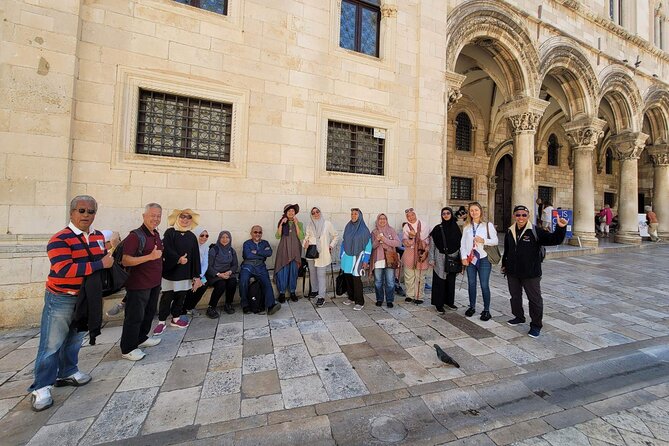
Day four is a big move. You check out in Bosnia, then drive about 80 kilometers to Dubrovnik. Once you reach the Old Town, a local guide takes you through a walking tour inside the stone walls. This is where Dubrovnik works best: guided context first, then time to wander like you’re on your own.
After the walk, you get about 2 hours exploring the Old Town on your own before heading to Montenegro. That extra independent time is important. Dubrovnik has a way of speeding you up if you don’t give yourself space.
In Montenegro, the day starts with Kotor. You’ll get a local-guided Old Town walk, plus free time afterward. Kotor is a “slow down and look up” city, because small details keep pulling your attention upward toward towers and rooftops.
Then you ride to Budva, do a walk through the Old Town, check in, and have the rest of the day free. Budva’s value on this route is that it keeps your schedule from feeling like a museum. You can focus on a waterfront stroll, a casual dinner, or a relaxed hour between sightseeing targets.
Shkoder and Tirana: Albania’s squares, mosques, and a dose of history
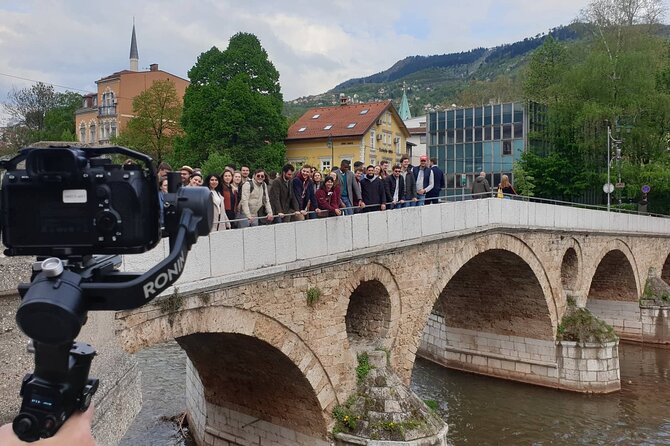
Day five moves into Albania with a first stop in Shkoder. You’ll visit with a local tour guide, then later continue to Tirana.
In Tirana, the sightseeing is built around key public spaces. You go to Skanderbeg Square, then areas tied to Ethem Bey Mosque and Mother Theresa Square. You also get stops connected to communist-era memory, including communist bunkers, plus the Pyramid site.
What I like about this approach is the mix of aesthetics and ideology. Albania’s modern identity is easy to miss if you only bounce between churches and museums. Here, you see how the city’s squares and structures reflect different eras.
After check-in, the program turns free and easy for the rest of the day. That works well because Tirana can be a place where you’ll want to pick your own pace, food stops included.
Ohrid in North Macedonia: Old Town gates, old paper, and St Sofia
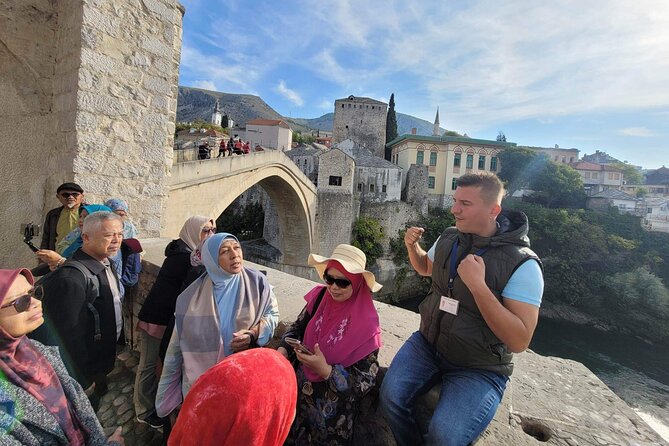
Day six is a border day, so keep expectations realistic. You travel from Tirana to Ohrid in about two hours, then deal with border crossing. Once you arrive, you’re back in walking mode with an Old Town guide.
In Ohrid, you’ll visit the main promenade and entrance gates to the Old Town area. You also stop at Pearl shop and the old paper factory. Then the highlight for many people: St Sofia monastery.
The value here is that Ohrid gives you both town layout and cultural context. You see how the Old Town functions as a living space, not only a static sightseeing zone. And because the itinerary stops after the guided block, you get the rest of the day free to wander at lake pace.
Skopje: A guided walk on both sides of the Vardar River
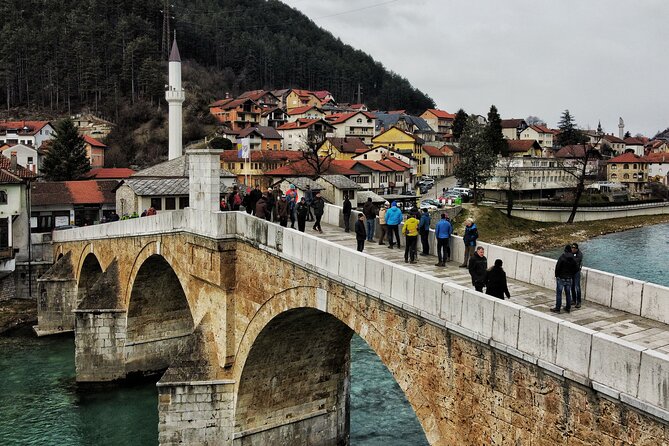
Day seven finishes the loop in Skopje. The driving time is about three hours from Ohrid with short stops along the way.
In Skopje, you get a guided walking tour that covers both sides of the Vardar River. On one side, you’ll see the Ottoman-influenced Old Town areas and bazaar-style shopping and small restaurant streets. On the other side, the tour focuses on Macedonian heritage tied to Alexander the Great.
This two-side approach is the right way to understand Skopje without getting lost. The city feels like two stories stitched together, and the guide’s route helps you keep track of what you’re seeing.
After the walk, you transfer to your accommodation or the airport as you choose, then the service ends.
Price and value: what $2,013.49 includes, and what it means for you
At $2,013.49 per person, the price is not cheap on paper. But for a seven-day, five-country plan, the value comes from what’s bundled.
You get 6 nights at 4-star hotels and breakfast included for 6 mornings. You also get an air-conditioned vehicle for the drives, plus English-speaking support throughout. Local guides join in for the city walking pieces, which is the part that usually costs extra when you travel independently.
You also avoid the big hidden costs: separate transfers, hiring multiple guides on your own, and the risk of missing sites because you misread opening times or ticket rules. Here, the plan moves with fewer coordination problems.
About tickets: some major stops are listed as free, and a few are marked not included, such as Gazi Husrev-beg Mosque, the Jewish Museum stop, and the Serbian Orthodox Cathedral note. The Sarajevo War Tunnel is listed as included, and Kravice Falls is listed as admission included. So you should budget a little for the paid entries that show up on the route.
If you’re the kind of traveler who hates planning, this price is mostly buying you calm. If you love independent travel and enjoy scheduling, you might find parts cheaper alone, but you will work for it.
Practical notes that can make or break your week
Start with footwear and heat. This route is heavy on walking in historic centers with stairs and uneven surfaces, especially in Old Towns. If you travel in warmer months, plan for sweating, sun exposure, and quick meal choices on your own since lunch and dinner are not included.
Second, check your expectations about tickets. Some sites are quick, some are guided, and some require extra admission. If you care about interior access at places like mosques and museums, bring a little extra cash or card readiness.
Third, build habits for long drives. You’ll have days with scenic highway time and days where traffic or border flow can stretch your timing. Pack water, snacks, and a way to recharge your phone, because you’ll use your camera more than you think.
Finally, the guide team matters. The names Elvis, Edis, and Zulfo show up in the experience details people remember most: drivers who can also tell stories and explain what you’re seeing. That combination turns a route into a narrative, and it’s one reason the trip gets recommended.
Who this tour suits best, and who should reconsider
This works best if you want:
- a single organized plan across multiple Balkan countries
- guided time in each major city, plus free time to wander
- the comfort of 4-star hotels and daily breakfast
- English support and a driver who handles driving logistics for you
It might not be ideal if:
- you want lots of downtime every day
- you dislike driving days and border crossing
- you prefer fully independent pacing without structured group blocks
If your goal is to hit the headline places like Sarajevo, Mostar, Dubrovnik, Kotor, Tirana, Ohrid, and Skopje without wrestling with transport, this tour checks the boxes.
Should you book? My clear take
Book it if you want a value-focused, guided Balkan sampler with enough city context to make the history feel real and connected. I especially like how it uses Sarajevo and Mostar to anchor the week, then balances cities with natural stops like Blagaj and Kravice Falls.
Skip it if you’re chasing a slow vacation or you strongly dislike long days on the road. The itinerary is packed by design. You’re trading extra free time for reduced planning stress, and you need to be comfortable with that trade.
FAQ
What’s the pickup setup in Sarajevo?
You can arrange pickup at any location in Sarajevo. The experience is offered daily from 12:00 AM to 11:30 PM, and you’ll get confirmation at booking time.
What’s included in the tour price?
The price includes 6 nights at 4-star hotels, breakfast for 6 days, local tour guides, an air-conditioned vehicle, and an English-speaking driver/guide. All fees and taxes are included too.
Are lunch and dinner included?
No. Lunch and dinner are not included, so you’ll be choosing meals on your own during free time.
Are entrance tickets included for all stops?
Not all of them. The War Tunnel museum in Sarajevo is marked as included, and Kravice Falls is marked as admission included. Stops like the Gazi Husrev-beg Mosque, the Jewish Museum, and the Serbian Orthodox Cathedral are marked as not included.
Is this a private tour?
Yes. It is listed as a private tour or activity, with only your group participating.
What is the cancellation window?
You can cancel up to 6 days in advance for a full refund. Canceling 2 to 6 days before start time gives a 50 percent refund, and canceling less than 2 days before start time does not refund the amount paid.
Most recently added near Sarajevo
- Sarajevo : Private Walking Tour With A Guide (Private Tour)★ 5.0 · 1 review
- Sarajevo: Islamic Tour | 500+ years of Glorious Heritage★ 5.0 · 1 review
- Sarajevo: Srebrenica – A Journey of Remembrance★ 5.0 · 1 review
- Transfer tour Sarajevo-Dubrovnik★ 5.0 · 1 review
- Bunker: Tito’s Secret & Boracko Lake Tour from Sarajevo★ 5.0 · 1 review
- Svrzo House Entrance Ticket★ 5.0 · 1 review
- Thrilling Rafting Adventure on the Neretva River with Lunch★ 5.0 · 1 review
- Private transfer (FROM-TO) Sarajevo – Dubrovnik★ 5.0 · 1 review
Tours, compared.
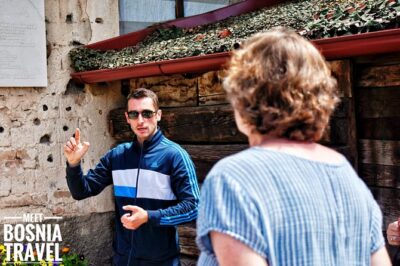
Fall of Yugoslavia, Sarajevo War Tour with Tunnel of Hope Museum and Frontlines
Read our review →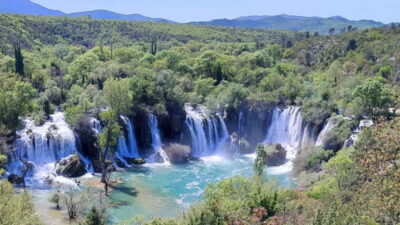
Blagaj, Počitelj & Kravice Waterfalls Day Tour
Read our review →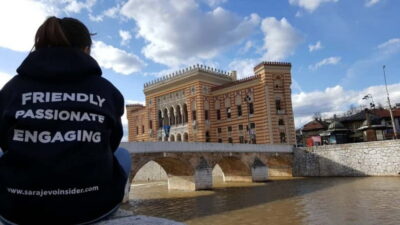
Tunnel Museum Yugoslavia War Tour with War Veteran
Read our review →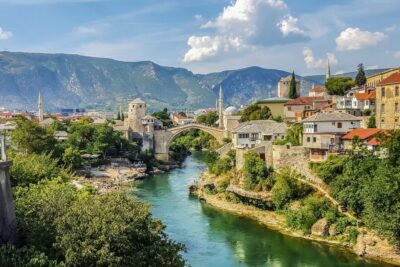
ROSES OF SARAJEVO (Official WAR + CITY tour)- Story of a Survivor
Read our review →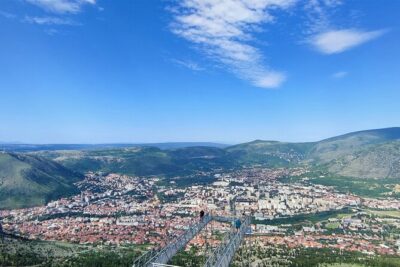
Discover Herzegovina Day Tour from Mostar: Kravice Waterfalls, Blagaj, Počitelj
Read our review →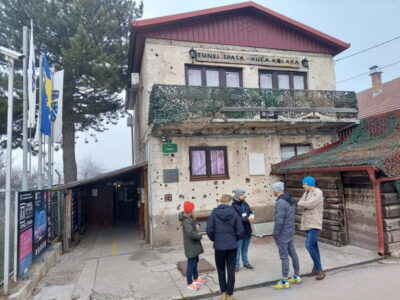
Browse the lists this tour appears in