
Reviewed · BOSNIAN FOOD & COFFEE TASTINGS
Sarajevo: Bosnian Coffee Workshop with Brewing Lesson
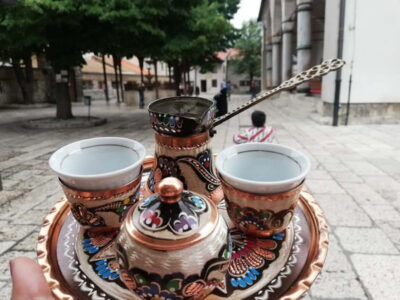
Copper tools and coffee matter here.
I love how this workshop turns Bosnian coffee into a hands-on ritual, not a lecture. I also like the smart pacing: you walk Kazandžiluk first, where you can hear and see the copper craft before you ever make the drink. One possible drawback: it’s intentionally slow and relaxed, so if you want fast, nonstop sightseeing, this is not that kind of experience.
In This Review
- Key moments that make this workshop worth your time
- Walking into Sarajevo Coffee Culture, Starting on Kazandžiluk
- Kazandžiluk to the Coffee Stop: The Smell Test and Why It Works
- The Copper Set Ritual: Foam Control and Correct Pouring
- Brewing Your Own Bosnian Coffee: What You Actually Do
- Local Conversation While You Sip: The Human Side of Coffee
- Price and Value: Why $23 Can Make Sense for a 2-Hour Skill
- Timing, Meeting Point, and Languages That Make It Easy
- Who Should Book This Bosnian Coffee Workshop?
- Should You Book It?
- FAQ
- Where does the workshop start?
- How long is the Bosnian coffee workshop?
- How much does it cost?
- What group size is it?
- What languages are available?
- Is it beginner-friendly?
- What is included in the workshop?
- What should I bring?
- Is cancellation free?
Key moments that make this workshop worth your time
- Kazandžiluk copper street start: you begin in Sarajevo’s oldest craft area and absorb the sounds and sights first.
- Old-fashioned bean crushing: you get to see how coffee is handled before brewing begins.
- Copper set brewing lesson: you learn how the copper set connects to the drink’s look and taste.
- Foam control and correct pouring: you practice the steps that make Bosnian coffee feel like a ritual.
- Lokum and local conversation: you slow down with a sweet bite and talk about local life.
- Small group format: limited to 10 participants, so questions do not get lost.
A few more Coffee & Food Tastings in Sarajevo
- Private Walking Tour, Food Tasting and Bosnian Coffee in Sarajevo
★ 5.0 · 255 reviews - Sarajevo: Sarajevo City Market, Old Town Food Tasting Tour
★ 4.9 · 69 reviews - Sarajevo Rakija Tasting Tour & Local Bites 🥃
★ 5.0 · 4 reviews - Sarajevo Old Town: Bosnian Coffee, Baklava & Panoramic Views
★ 5.0 · 3 reviews
Walking into Sarajevo Coffee Culture, Starting on Kazandžiluk
This experience starts in the Old Town, in front of the Sebilj fountain, and you can even request pickup from your accommodation if you prefer. From there, you move on foot through the historic center, and the workshop idea becomes clear quickly. You are not just learning how to make coffee. You are learning why Bosnian coffee is treated like a moment.
A big part of the payoff is the first stop on Kazandžiluk, Sarajevo’s well-known coppersmith street. You can hear the craft work as you go, and you get that physical sense of copper being worked by hand. That matters because Bosnian coffee is served in a copper set, so your eyes and hands are ready for what comes next. Instead of jumping straight to brewing, you start with the cultural backdrop that makes the method feel logical.
If the weather is messy, wear layers and plan for some outdoor walking. You are moving through old streets on foot, and the workshop itself includes steps that involve heat and careful pouring, so you will be happier in comfortable, steady footwear.
Kazandžiluk to the Coffee Stop: The Smell Test and Why It Works
After you stroll the craft street, you reach a tiny coffee shop that many people miss because it does not look like a typical tourist stop. Here, the workshop focuses on something simple but powerful, the smell and the process before brewing.
You get to see traditional coffee handling, including beans being crushed the old-fashioned way. That detail sounds minor until you try to picture the final cup. The smell changes when coffee is freshly handled, and the texture of the grounds affects how the brew behaves when water meets coffee in the copper set.
This is also where your guide helps connect the dots. The purpose of these early stops is not to overload you with background. It is to set up your senses so the later hands-on brewing makes sense. When you finally start brewing, you understand what you are doing and why the steps matter.
The Copper Set Ritual: Foam Control and Correct Pouring
In the hands-on part, the workshop shifts to a calm coffee bar in the old town. This is where you learn how to brew Bosnian coffee traditionally, step by step, with a local host who is a professional licensed guide. The key equipment is a copper set, and the set is not just decoration. It is part of the method and the feel of the ritual.
The big technique points are straightforward, but you practice them rather than just hearing about them:
- Heat the water with intention, not rushing the process.
- Control the foam, since foam is part of the signature look and character.
- Mix the grounds properly so you are starting with the right consistency.
- Pour correctly, because the pour affects how the coffee settles and how it drinks.
This is the part where the workshop earns its keep. A lot of coffee experiences teach you how to order or how to taste. This one teaches you how to make. When you control foam and pour carefully, you stop treating the drink like a mystery. It starts to feel like a repeatable ritual.
You will also get guidance on how to drink it in the traditional way, and why people slow down for this moment. You are learning a local rhythm, not just a recipe.
Another way to spend the day from here:
- Fall of Yugoslavia, Sarajevo War Tour with Tunnel of Hope Museum and Frontlines
★ 5.0 · 1,314 reviews
Brewing Your Own Bosnian Coffee: What You Actually Do
The workshop is beginner-friendly, so you do not need coffee training. The atmosphere stays easy and relaxed, built around a small group size limited to 10 participants. That small group matters because it gives you enough time to ask questions and get direct feedback on what you are doing at your station.
Here is the typical flow you should expect once you are at the coffee bar:
- You start with the water and learn how to manage heat so the process stays controlled.
- You mix coffee grounds in the copper set, learning the timing and attention the ritual asks for.
- You watch foam develop and get prompted on what to look for.
- You practice pouring correctly as you get close to the finished brew.
- You serve yourself and then sip together in the group.
One detail I think is especially valuable for you as a learner is that the guide focuses on the steps that create the final texture and cup experience. You are not just doing random actions. You are doing the actions that connect to the taste you will smell and sip.
You will also get a sweet side with lokum, the local style of candy that pairs naturally with coffee breaks in the region. It is a small inclusion, but it pushes the experience from solo tasting into shared ritual.
At the end, some groups receive a certificate related to Bosnian coffee. That might sound silly until you remember that this is a hands-on skill. A little paper keeps it fun, and it also marks the completion of something you practiced, not just watched.
Local Conversation While You Sip: The Human Side of Coffee
What makes this feel like Sarajevo, not just coffee, is the conversation part. Your host explains each step and also adds local context about daily life and favorite places. In recent experiences, the guide has shared personal recommendations as someone living in Sarajevo, which turns the workshop into a mini introduction to how the city breathes.
This matters because coffee is often the easiest cultural doorway. Instead of asking broad questions about history, you are asking practical ones, like why the drink is served a certain way, why the ritual takes time, and what people do while they sip.
The tone is calm. You are not rushed from stop to stop. You are encouraged to ask questions while you are still engaged with the process, when the experience is fresh.
Price and Value: Why $23 Can Make Sense for a 2-Hour Skill
The listed price is $23 for a group up to 1, and the workshop runs about 2 hours. The duration can be listed as 1.5 to 2 hours, so plan for a short, satisfying block rather than a full day excursion.
Here is why the value works if you care about hands-on travel:
- You get the coffee itself, plus a copper set used during the workshop.
- You get the guided brewing lesson with a professional licensed host.
- You get lokum along with your coffee.
- The group stays small, which supports real participation and questions.
You do not have to pay separately for the core consumables. Personal expenses are the only obvious extra category. If you are the type who likes learning a skill you can repeat later, the price feels more reasonable than a typical tasting where you only sample.
Also, you skip the ticket line. That might not sound important for a workshop, but it reduces friction. You spend more time doing, less time organizing.
Timing, Meeting Point, and Languages That Make It Easy
Meeting point is the Sebilj fountain in the Old Town main square. That is a good choice because it is a known landmark area. If you want pickup, the guide can pick you up from your accommodation, which is helpful if you are tired after a morning of walking.
Languages offered include English, Bosnian, Croatian, Serbo-Croatian, and Serbian. That wide set matters if you are traveling with someone whose comfort language is not English, or if you want extra clarity during technique parts like foam control and pouring.
The workshop is scheduled around available starting times, and it runs about 2 hours. Since it is relaxed and beginner-friendly, it is usually an easy add-on to a day in Sarajevo instead of a stressful must-do with a tight connection window.
Who Should Book This Bosnian Coffee Workshop?
This is a strong fit if you want an authentic Sarajevo experience that is practical, social, and sensory. You will likely enjoy it if you:
- Love coffee and want to learn the traditional method, not just taste it
- Prefer small groups and real interaction
- Like cultural activities that connect food to local life
- Want a low-stress activity that still feels meaningful
It may not fit as well if you are chasing intense sightseeing every minute. This workshop is deliberately slow and focused on ritual, so the goal is depth, not speed.
Also, because you will be outside for part of the walk and then working carefully during brewing, dress for weather and choose comfortable clothes you do not mind moving in.
Should You Book It?
Yes, if you want to leave Sarajevo with more than photos. This workshop gives you a repeatable skill, the context to understand why Bosnian coffee is served the way it is, and a calm local conversation that does not feel forced.
I would book it if you are a coffee lover who enjoys learning by doing. The small group size, the copper set lesson, the traditional grinding steps you actually witness, and the included lokum make it feel like a complete package for $23 and roughly two hours.
If you are the opposite type, the one who wants constant motion and big museum energy, you might find it too relaxed. But if you can enjoy a slower pace for a great cup, this is one of those Sarajevo experiences that feels both local and personal.
FAQ
Where does the workshop start?
It starts in front of the Sebilj fountain on the main square in Sarajevo Old Town. The guide can also pick you up from your accommodation if you want.
How long is the Bosnian coffee workshop?
Plan on about 2 hours. The experience is also described as taking 1.5 to 2 hours.
How much does it cost?
The price is listed as $23 per group up to 1. You can check availability for starting times.
What group size is it?
It is a small group limited to 10 participants.
What languages are available?
The live guide offers English, Bosnian, Croatian, Serbo-Croatian, and Serbian.
Is it beginner-friendly?
Yes. The workshop is beginner-friendly and suitable for coffee lovers and culture seekers. It is easy and relaxed, focusing on the cultural ritual.
What is included in the workshop?
You get Bosnian coffee, a copper coffee set for the workshop, a hands-on brewing lesson, local lokum, and a local host who is a professional licensed guide.
What should I bring?
Bring weather-appropriate clothing.
Is cancellation free?
Yes, you can cancel up to 24 hours in advance for a full refund.
More Coppersmithing and Craft Sessions in Sarajevo
- Bosnian Cooking Lessons
★ 5.0 · 269 reviews - Bosnian Traditional Handicraft, half-day – do it yourself – Coppersmith Workshop
★ 5.0 · 13 reviews - COPPER HANDICRAFT WORKSHOP (Make your own souvenir from Sarajevo)
★ 5.0 · 10 reviews - Spray Sarajevo: Graffiti Workshop at the Olympic Bobsleigh Track
★ 5.0 · 7 reviews
Most recently added near Sarajevo
- Sarajevo : Private Walking Tour With A Guide (Private Tour)★ 5.0 · 1 review
- Sarajevo: Islamic Tour | 500+ years of Glorious Heritage★ 5.0 · 1 review
- Sarajevo: Srebrenica – A Journey of Remembrance★ 5.0 · 1 review
- Transfer tour Sarajevo-Dubrovnik★ 5.0 · 1 review
- Bunker: Tito’s Secret & Boracko Lake Tour from Sarajevo★ 5.0 · 1 review
- Svrzo House Entrance Ticket★ 5.0 · 1 review
- Thrilling Rafting Adventure on the Neretva River with Lunch★ 5.0 · 1 review
- Private transfer (FROM-TO) Sarajevo – Dubrovnik★ 5.0 · 1 review
Bosnian Food & Coffee Tastings, compared.
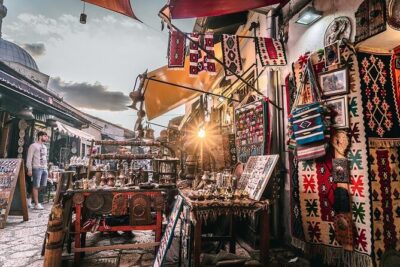
Private Walking Tour, Food Tasting and Bosnian Coffee in Sarajevo
Read our review →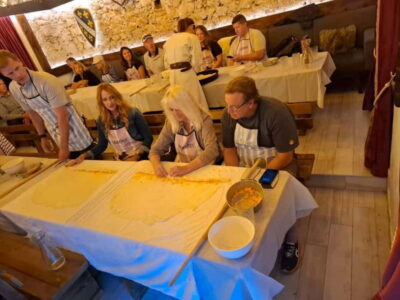
Sarajevo City Market, Old Town Food Tasting Tour
Read our review →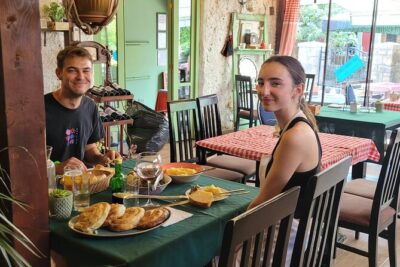
Traditional Bosnian Cooking Class in Mostar with Lunch and Drinks
Read our review →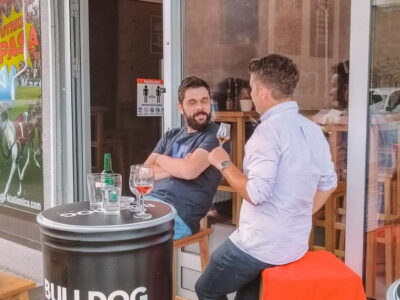
Sarajevo Old Town: Bosnian Coffee, Baklava & Panoramic Views
Read our review →
Browse the lists this tour appears in