
Reviewed · WORKSHOPS
Bosnian Cooking Lessons
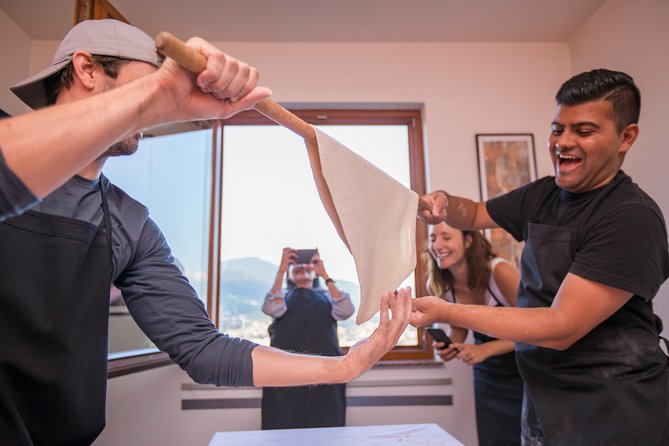
Your hands learn burek fast in Sarajevo. This cooking class is interesting because you cook a full set of Bosnian favorites in a small shared group, then eat what you made with wine and soft drinks. I especially like the hands-on guidance from chef host Mersiha, and the fact that Herzegovina wine is part of the lesson, paired to the real work of stretching phyllo dough. One possible drawback to consider: alcohol is served, so if you prefer to avoid wine, you may want to confirm what non-alcohol options feel like in practice.
You start with a welcome drink, coffee or tea, and a chance to take in Sarajevo from a panoramic viewpoint. From there, the class is split into two focused parts, so you are not just watching, you are doing.
In This Review
- Key Highlights at a Glance
- From Skendera Kulenovića to a Panoramic Welcome With Coffee or Tea
- Wine and Soft Drinks, Then Hands-On Cooking With Mersiha
- Part I Cooking: Sogan Dolma, Japrak, and Paprika Dolma
- Part II Mastery: Burek Phyllo Dough and Seasonal Fillings
- Your Dinner Plate, Plus the Questions That Make It Stick
- Price and Timing: Is $96.79 Worth It?
- Who This Cooking Class Fits Best (and Who Might Reconsider)
- Should You Book Bosnian Cooking Lessons in Sarajevo?
- FAQ
- How long is the Bosnian Cooking Lessons experience?
- What dishes will I cook during the lesson?
- Are vegetarian or vegan options available?
- What’s included in the price?
- Where does the experience start and end?
- How many people are in a group?
- What is the cancellation policy?
Key Highlights at a Glance
- Small group limit (max 13), so questions do not get lost.
- Two-part menu: stuffed vegetables first, then the burek phyllo work.
- Herzegovina quality wine and soft drinks served as you learn.
- Panoramic welcome when you arrive, then meet chef host Mersiha and her partner Mustafa.
- Recipes and step-by-step follow-ups so you can cook at home after.
- Vegetarian and vegan options available on request, if you plan ahead.
More Bosnian cooking, taught in Sarajevo:
- Experience Sarajevo: Bosnian Cooking Class
★ 5.0 · 3 reviews - Traditional Bosnian Cooking Class in Mostar with Lunch and Drinks
★ 5.0 · 16 reviews
From Skendera Kulenovića to a Panoramic Welcome With Coffee or Tea
You begin at Skendera Kulenovića, 71000 Sarajevo, and the experience starts at 2:30 pm. The timing matters because you get a calmer afternoon rhythm, not a rushed morning sprint. The class is about 4 hours, so it feels like a proper meal experience, not a quick demo.
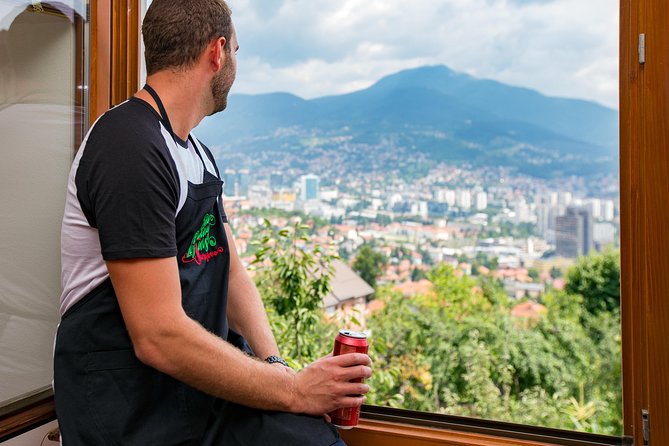
When you arrive, you are greeted with a welcome drink, coffee or tea. You also get a panoramic view of Sarajevo. That early setting is more than a nice photo moment. It helps you slow down and switch into food-mode before anyone puts dough in your hands.
The vibe here is also personal. You meet the hosts in a home environment, with Mersiha as the main guide and Mustafa involved as well. Some classes feel scripted; this one feels conversational, with time to talk while you cook.
Wine and Soft Drinks, Then Hands-On Cooking With Mersiha
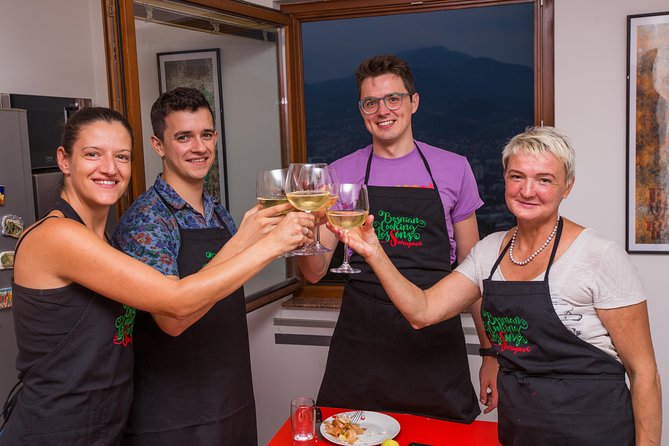
This is not a sit-and-guess type of cooking class. You will be working through multiple dishes, with a chef guide and plenty of instruction along the way. Wine and soft drinks are part of the experience as you learn, and that is not just for atmosphere.
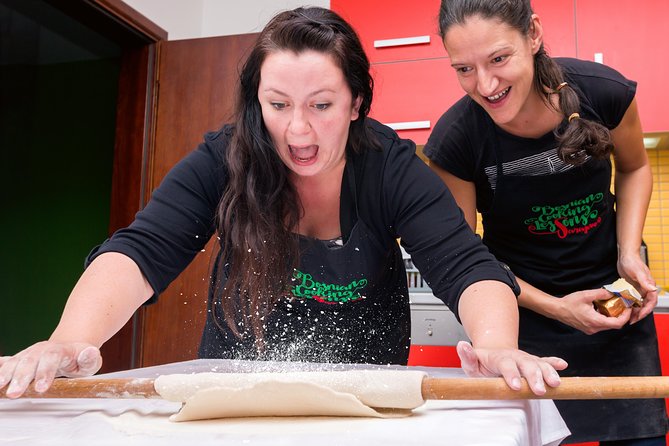
The class explicitly frames wine as helpful for the tricky part of burek: stretching phyllo dough. The message is simple. Relaxed hands and a brave attitude matter when dough is delicate. In real terms, I take this to mean you are encouraged to try, even if your first attempt looks imperfect.
If you do not drink alcohol, you still have coffee or tea and soft drinks available, but it is worth managing your expectations. The structure is built around wine being served during the learning portion, so you might want to share your preferences ahead of time when booking.
Part I Cooking: Sogan Dolma, Japrak, and Paprika Dolma
After the welcome, you move into the first part of the menu. This section is about classic stuffed rolls and vegetable pockets. It is also the part that teaches technique through repetition, because the idea of wrapping and filling shows up again and again.
You cook three dishes in Part I:
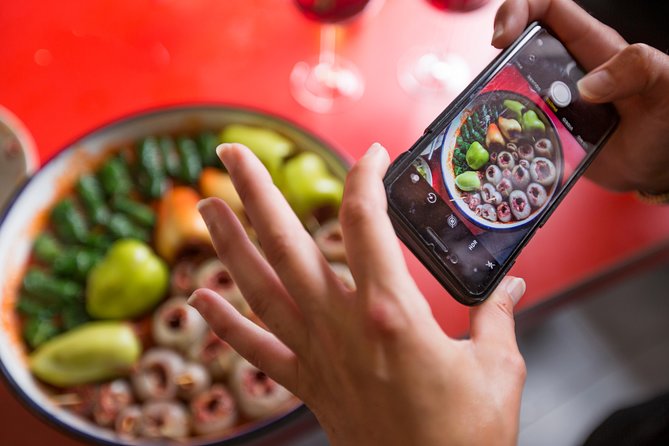
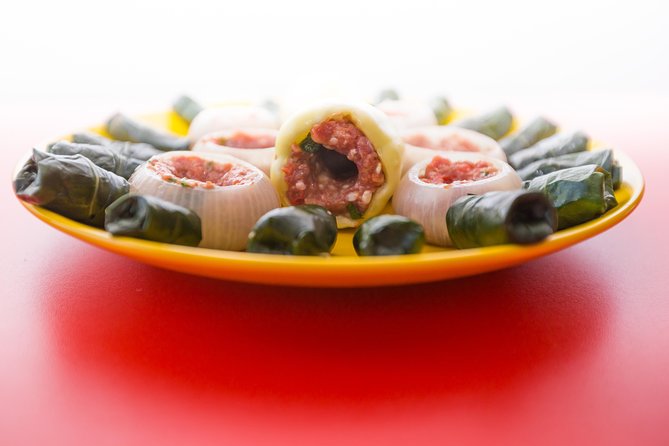
- Sogan dolma: onions filled with minced meat, rice, and spices
- Japrak: mangel or spinach leaves rolled and filled with minced meat, rice, and spices
- Dolma: paprika filled with minced meat, rice, and spices
Each of these has a slightly different “wrap feel,” even though the filling logic is similar. You get to practice how much filling goes in, how you handle softer leaves, and how you shape the parcels so they cook nicely. You also learn what flavors matter in the filling, since onions, leaf rolls, and peppers bring different sweetness and texture to the final dish.
One practical thing I like about this order is that Part I builds confidence before the phyllo work. Stuffed vegetables reward patience, not speed. By the time you get to Part II, you already understand the rhythm of working with a chef guide beside you.
Also, if you are vegetarian or vegan, the class says options are available upon request. The data does not list exact substitutes for each dish, so the best move is to mention dietary needs clearly when booking.
More coppersmithing and craft sessions in Sarajevo:
Part II Mastery: Burek Phyllo Dough and Seasonal Fillings
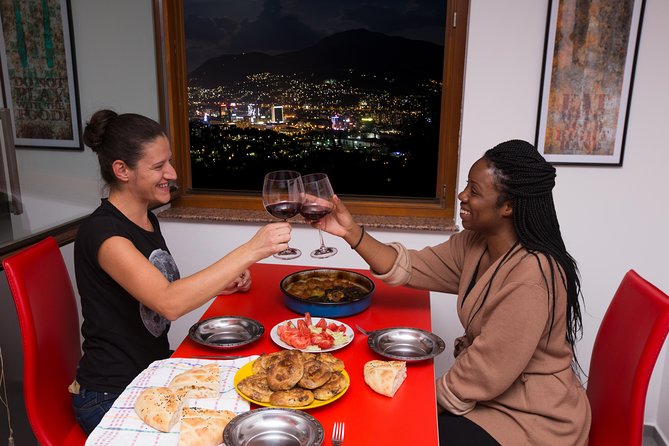
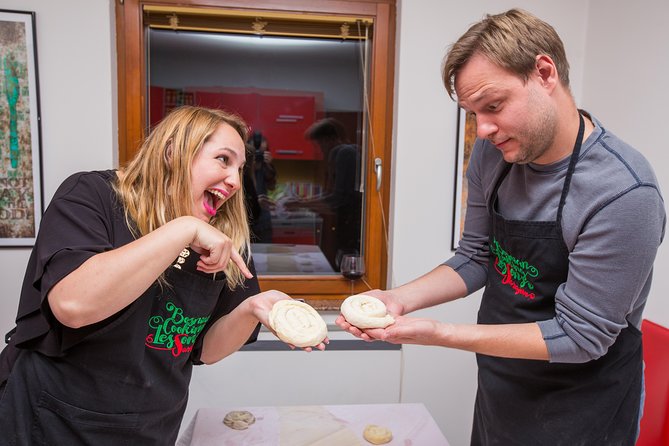
Part II is where the real Bosnian comfort-food star takes center stage: burek. You work with phyllo dough, and you roll it with fillings that depend on the season. The listed possibilities are potatoes, meat, or cheese.
This matters for two reasons. First, burek is not just a final product. The process is the lesson. Stretching and rolling phyllo takes focus, and the class frames it as something you learn through doing, not through watching.
Second, seasonal fillings keep the experience practical and realistic. You do not get one frozen-in-time version. You get the version that fits the time of year, which is closer to how people actually cook and eat.
What you should expect in the room is active teamwork. The class is shared, so you will be moving through steps with others, and you will likely see different ways people handle dough. In a small group, that helps, because you can adjust quickly when the chef guide shows you what to aim for.
By the end of Part II, you have something you can picture making again at home. And since the experience is designed to be reproducible, you are not just tasting. You are gathering the real method.
Your Dinner Plate, Plus the Questions That Make It Stick
When you finish cooking, you eat the food you made together. The experience includes dinner, and it is served after the class, so you get a true meal, not random bites.
This is also the moment when the learning becomes personal. You will have plenty of time asking questions about anything you want to know. I like that this is built in, because cooking questions are rarely simple. People usually ask about thickness, rolling technique, seasoning balance, and how to store or reheat food without ruining texture.
The conversation aspect is strong here. The hosts share stories and local recommendations, and that turns the meal into more than just instructions. One guest experience highlights advice beyond cooking, including travel tips like bus guidance. If you like practical local help, this is the kind of extra you remember.
There are also thoughtful details that come up in guest experiences, like photos being taken for solo travelers and small kindnesses that make the setting feel welcoming in a home kitchen environment.
Price and Timing: Is $96.79 Worth It?
At $96.79 per person for about 4 hours, you are paying for more than ingredients. You are paying for chef-guided practice, a small group format, multiple dishes, and the meal plus drinks.
Here is why the value can make sense:
- You get a full dinner that you cook yourself, not a snack and a lecture.
- Coffee or tea and alcoholic beverages are included, and the wine is tied to the class’s dough technique.
- The group is small (maximum 13), which usually means more personal coaching.
- You learn multiple dishes, from stuffed vegetables to burek phyllo work.
- You are set up to recreate the food at home, with recipes and step-by-step follow-ups shared after.
Booking pace is another value clue. This experience is often booked about 21 days in advance on average. That does not mean you must book immediately, but it does mean you should plan if your Sarajevo dates are fixed.
Also note what is not included: private transportation. The meeting point is specific, so you will want to be ready to get yourself there. Walking time from central Sarajevo can be part of the plan, and some guests mention a roughly 40-minute walk depending on where you start.
Who This Cooking Class Fits Best (and Who Might Reconsider)
This is a great match if you want:
- Hands-on cooking in Sarajevo, not just tasting
- Classic Bosnian dishes you can cook again later, especially stuffed rolls and burek
- A small-group experience with real conversation time
- A meal that includes wine and soft drinks, served during learning
It can be especially good for solo travelers, because the class format supports interaction and there is time for questions. One solo guest also noted clear English and patience when learning delicate steps.
You might reconsider if:
- You do not want alcohol as part of the experience, since wine is explicitly served during the lesson.
- You dislike working in a shared setting where everyone is at different skill levels with dough.
If you are vegan or vegetarian, do not guess. Use the request option when you book. That is the one detail that the class clearly supports.
Should You Book Bosnian Cooking Lessons in Sarajevo?
Yes, you should book this if you want a practical food experience that goes beyond a restaurant meal. The big selling points for me are the combination of step-by-step cooking guidance, a full two-part menu, and the fact that you leave with recipes and follow-ups designed for home cooking.
Book it sooner rather than later if your dates are set, since demand can run about a month ahead. And if alcohol is a concern, message the provider when booking so the experience can be comfortable for you.
If your goal is to taste Bosnian food from the comfort of a table, you might be happier with a different kind of dinner. But if you want to come home able to make burek and stuffed vegetables, this is the kind of half-day you will still talk about months later.
FAQ
How long is the Bosnian Cooking Lessons experience?
The class runs for about 4 hours.
What dishes will I cook during the lesson?
You will cook Sogan dolma (stuffed onions), Japrak (rolled mangel or spinach leaves), Dolma (paprika stuffed), and burek using phyllo dough with potatoes, meat, or cheese depending on the season.
Are vegetarian or vegan options available?
Yes. Vegan and vegetarian options are available upon request.
What’s included in the price?
Dinner is included, along with coffee and/or tea and alcoholic beverages.
Where does the experience start and end?
It starts at Skendera Kulenovića, 71000 Sarajevo, Bosnia and Herzegovina, and it ends back at the same meeting point.
How many people are in a group?
The maximum group size is 13 travelers.
What is the cancellation policy?
You can cancel for free up to 24 hours in advance for a full refund.
Most recently added near Sarajevo
- Sarajevo : Private Walking Tour With A Guide (Private Tour)★ 5.0 · 1 review
- Sarajevo: Islamic Tour | 500+ years of Glorious Heritage★ 5.0 · 1 review
- Sarajevo: Srebrenica – A Journey of Remembrance★ 5.0 · 1 review
- Transfer tour Sarajevo-Dubrovnik★ 5.0 · 1 review
- Bunker: Tito’s Secret & Boracko Lake Tour from Sarajevo★ 5.0 · 1 review
- Svrzo House Entrance Ticket★ 5.0 · 1 review
- Thrilling Rafting Adventure on the Neretva River with Lunch★ 5.0 · 1 review
- Private transfer (FROM-TO) Sarajevo – Dubrovnik★ 5.0 · 1 review
Workshops, compared.
Traditional Bosnian Cooking Class in Mostar with Lunch and Drinks
Read our review →
Bosnian Traditional Handicraft, half-day – do it yourself – Coppersmith Workshop
Read our review →
COPPER HANDICRAFT WORKSHOP (Make your own souvenir from Sarajevo)
Read our review →Spray Sarajevo: Graffiti Workshop at the Olympic Bobsleigh Track
Read our review →
Sarajevo Street Art & Graffiti Workshop Funky Half Day Tour of Sarajevo
Read our review →Browse the lists this tour appears in