
Reviewed · WALKING TOURS
Mostar Private Walking Tour – where East meets West
Two bridges, one river, and real war stories. I love the way this tour ties Mostar’s history to what you can actually see on the street, from the Old Bridge to the quieter corners of the old town. You’re not just ticking off sights, you’re getting the story behind why they matter.
I also like the hassle-free hotel pickup and drop-off, because it keeps your time focused on walking the city center. As a private tour, you’re free to ask questions without the usual shuffle.
One thing to consider: the walk is about 2 hours, so each stop is short, and a couple of viewpoints have admission costs that are not included. That includes the Koski-Mehmed Pasha Mosque and the Mostar Peace Bell Tower.
In This Review
- Key Highlights You’ll Notice Fast
- Mostar’s Old Bridge, Where a UNESCO Icon Gets Human Context
- The Route in Real Life: A Private 2-Hour Walk That Still Feels Complete
- Stop 1: Old Bridge, Then the Jumper Tradition Up Close
- Stop 2: Crooked Bridge (Kriva Cuprija) and the Romance Story Over Radobolja
- Stop 3: Kujundziluk Bazaar, Crafts Made by Families Over Centuries
- Stop 4: Koski-Mehmed Pasha Mosque, Dome on a Rock, Plus Minaret Views
- Austro-Hungarian Bridges and a Tougher Shift in Mood
- Spanish Square: A UN Memorial Linked to King Juan Carlos
- Zrinjevac Park: Austro-Hungarian Promenade, Pseudo-Moorish Villas, and War Scars
- Stop 7: Mostar Peace Bell Tower and the Multicultural Wrap-Up
- Pace and Group Comfort: Why a Private Guide Works Here
- Price and Admissions: Value Beyond the Walking
- Who This Tour Fits Best
- Should You Book This Mostar Private Walking Tour?
- FAQ
- How long is the Mostar private walking tour?
- Is the tour private and offered in English?
- What stops are included, and are admission fees covered?
- Where does the tour start?
- Can children join?
- What is the cancellation policy?
Key Highlights You’ll Notice Fast
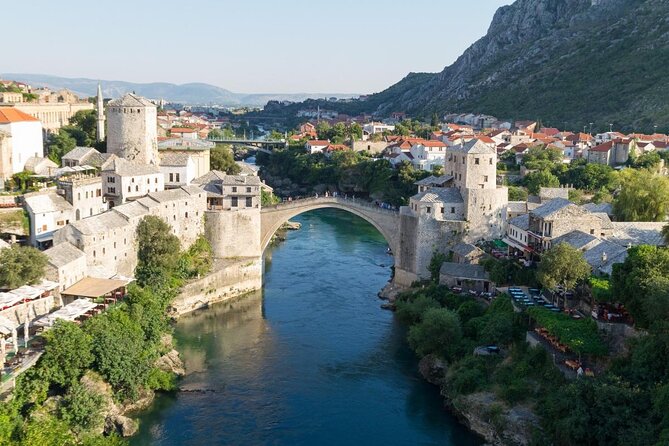
- Old Bridge jumper access and a look at the centuries-old tradition behind the UNESCO site
- Crooked Bridge (Kriva Cuprija), with romantic context over the Radobolja River
- Kujundziluk bazaar crafts and real-family hospitality in Herzegovina’s oldest bazaar
- Koski-Mehmed Pasha Mosque views, including the option to climb the minaret
- Spanish Square to Zrinjevac Park, where you see how the Austro-Hungarian era and the last war intersect
- Mostar Peace Bell Tower, a clear ending point for the city’s multicultural story
A few more Walking Tours in Mostar
- Mostar Private Walking Tour
★ 5.0 · 93 reviews - Walking tour in Old Town Mostar
★ 4.4 · 35 reviews - Charming Mostar: Private Mostar Walking Tour
★ 5.0 · 23 reviews - Best of Mostar – Private Walking Tour
★ 5.0 · 21 reviews
Mostar’s Old Bridge, Where a UNESCO Icon Gets Human Context
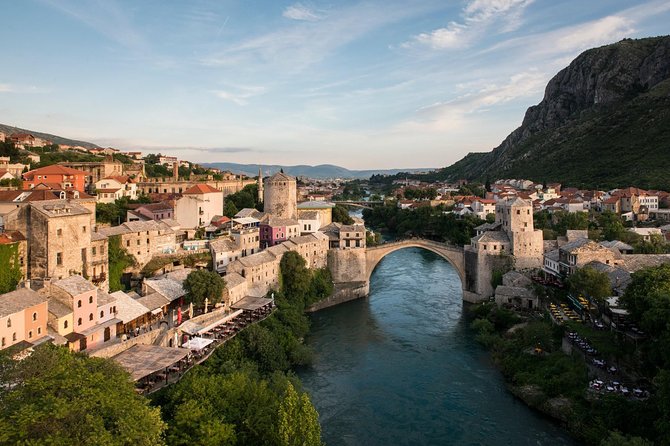
Mostar’s Old Bridge is the obvious star, but what makes it special on this walk is the way your guide frames it. The bridge is more than a postcard. You learn how it became a symbol, and why the surrounding area carries meaning for different communities.
The tour starts with a guided visit to the Old Bridge area, with time set aside to understand the monument and its stories. You also get something most visitors do not: a chance to visit the premises of the club connected to the famous jumpers from the bridge. That access is tied to the guide’s connections and local kindness, and it turns the bridge tradition into something you can picture as a living practice, not just a legend.
Practical note: this is a walking tour, so expect that you’ll be on your feet for viewpoints and short strolls. Bring a layer. Mostar’s sun can feel sharp even when the air is comfortable.
The Route in Real Life: A Private 2-Hour Walk That Still Feels Complete
This is built as a private tour, offered in English, with a duration of about 2 hours. That timing matters. You’ll cover several of the most important parts of Mostar’s old town, but without the fatigue that comes from longer sightseeing marathons.
You’ll get a clear start at Franjevačka Crkva u Mostaru (Franjevačka 1, plus the nearby code listed in the meeting point). The experience ends back at the meeting point, so you avoid the hassle of coordinating a separate transport plan.
The itinerary is paced in short segments. That’s good for history-heavy tours like this, because it gives you time to process what you learned before moving on to the next landmark. The tradeoff is that you won’t linger for long if you spot something that makes you stop. If you’re the kind of person who wants to spend an hour in one bazaar lane, you might want additional unstructured time afterward.
Stop 1: Old Bridge, Then the Jumper Tradition Up Close
You begin at the Old Bridge with an accredited guide who explains the facts and the behind-the-scenes stories tied to the monument. The big takeaway is that Mostar’s most famous landmark is tied to skills, rituals, and local identity.
Then comes the highlight that changes the whole vibe: you get to visit the club premises connected to the famous jumpers. It’s not just watching from a distance. You’re introduced to a tradition that’s described as centuries-old and tied to the UNESCO monument itself.
This is where I think the tour gives you extra value. Most walking tours treat the bridge as a final photo stop. Here, you get a living-angle explanation, which makes your photos feel smarter later. You’ll look at the water and the span differently once you understand how people built their reputation around that moment.
Admission is noted as free for this part, which is a nice bonus.
Another way to spend the day from here:
Stop 2: Crooked Bridge (Kriva Cuprija) and the Romance Story Over Radobolja
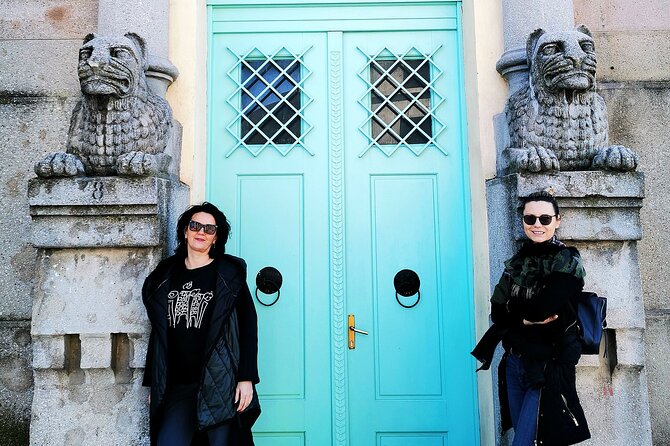
Next up is Kriva Cuprija, the Crooked Bridge, often called the bridge of love. It’s a short stop, about 5 minutes, but it’s packed with story.
Your guide connects the bridge to its setting over the Radobolja River, a tributary of the Neretva. That’s useful, because Mostar is visually dramatic, but it can be confusing until you understand which waterway you’re seeing and how it fits into the city’s layout.
This stop is mainly for perspective. If you like bridges as cultural artifacts, you’ll enjoy how the tour gives you a reason to care beyond the shape. If your goal is only photos, you’ll still get what you came for, but you might wish you had a few more minutes on the spot.
Stop 3: Kujundziluk Bazaar, Crafts Made by Families Over Centuries
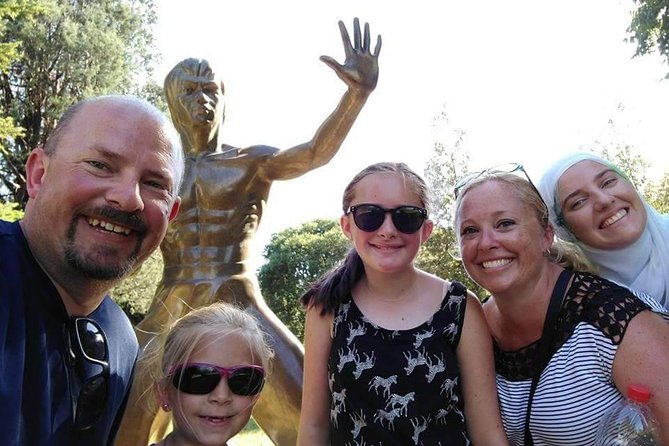
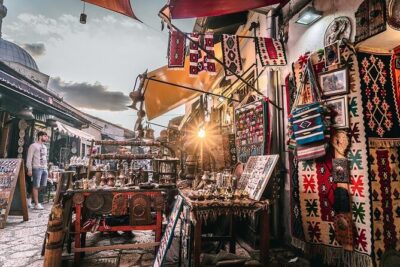
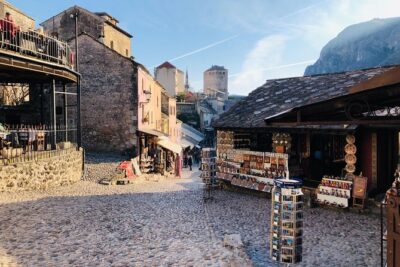
Then the tour shifts into a slower, more human rhythm at Bazar Kujundziluk. This is described as the oldest bazaar in Herzegovina, and that detail matters. It means you’re not just walking through a market. You’re walking through a place where craft traditions have been passed down.
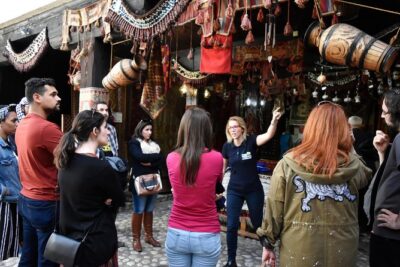
You get around 20 minutes here, and the emphasis is on old crafts and conversations. The tour includes time to talk with members of families who have been creating authentic handicrafts for centuries. That’s the kind of interaction that changes your understanding of what you’re looking at.
I like that the tour treats hospitality as part of the experience, not a side note. Most markets try to sell you. This one is presented as a community setting where the welcome is part of the value.
Admission is free for the bazaar portion, so you can spend your money where you actually want to, like on a small craft item. If you enjoy supporting artisans directly, this stop is one of the best reasons to take a guided route instead of wandering on your own.
Stop 4: Koski-Mehmed Pasha Mosque, Dome on a Rock, Plus Minaret Views
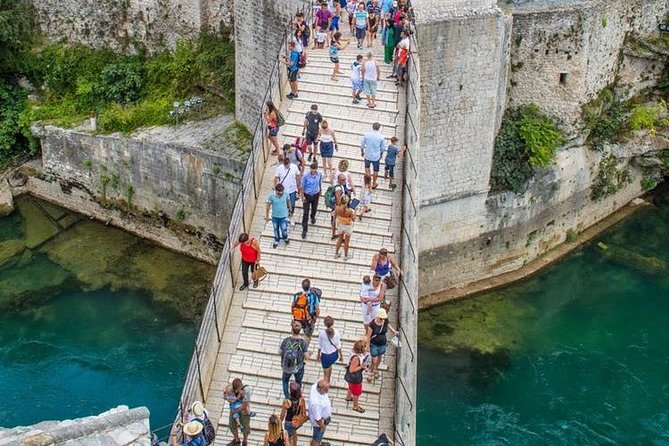
At Koski-Mehmed Pasha Mosque, you climb into another layer of Mostar’s East-meets-West story. It’s described as one of the most beautiful mosques under a dome on a high rock above the Neretva.
What I’d call the practical advantage here is access. The tour notes that tourists are allowed to enter and even climb the high minaret. That means you’re not just looking at the mosque from the street level. You have a pathway to an excellent viewpoint for photographing the Old bridge.
One caution: this is the stop where admission is explicitly not included. So if you’re watching your budget, plan for that cost. Also, climbing steps means you’ll want comfortable shoes and a little patience, especially if it’s crowded.
Time is about 15 minutes, which is enough for entry, viewpoint framing, and a quick reset before moving toward the more somber parts of the walk.
Austro-Hungarian Bridges and a Tougher Shift in Mood
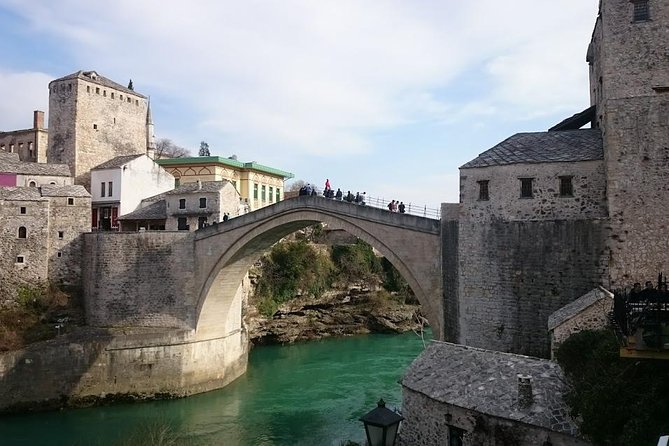
Between the mosque area and the next major landmarks, the walk passes over one of the most beautiful bridges from the Austro-Hungarian period and continues toward a romantic stretch of Mostar with parks and beautiful buildings.
This transition is important. Mostar isn’t only split by different cultures. It’s also split by different eras. And the city keeps those layers visible in close proximity, which is part of what makes a guided story so helpful.
Your guide uses this stretch to introduce topics that aren’t so cheerful but are unavoidable in Mostar. That context sets you up for what comes next at Spanish Square and Zrinjevac Park.
If you prefer a light, purely scenic walk, this is where the tone may feel heavier than you expected. If you want to understand the city honestly, it’s exactly the right moment to slow down mentally and listen.
Spanish Square: A UN Memorial Linked to King Juan Carlos
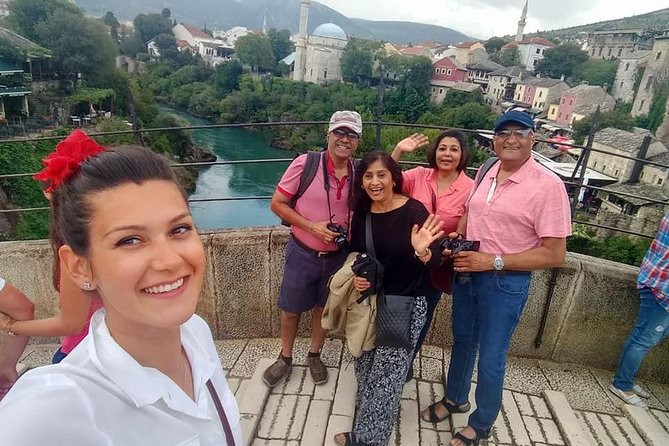
Spanish Square is short, about 5 minutes, but it hits hard. It was opened by King Juan Carlos of Spain to honor fallen members of the Spanish battalion within the UN peacekeeping forces.
Even if you’re not a history enthusiast, this stop gives you essential context for how international efforts showed up here and why the city still carries visible reminders. The value is not just the fact itself. It’s the way your guide connects this landmark to Mostar’s later story and the city’s complex path toward peace.
Admission is free here. So you can treat this as a brief but meaningful stop, not a budget hit.
Zrinjevac Park: Austro-Hungarian Promenade, Pseudo-Moorish Villas, and War Scars
Then the walk moves into Park Zrinjevac, about 15 minutes, and this is one of my favorite kinds of stops: a place that looks pleasant, but still tells a difficult truth.
You’ll walk through the pedestrian area of Stefania’s promenade from the Austro-Hungarian monarchy. The tour notes you’ll see beautiful buildings and villas from that period built in a pseudo-Moorish style. That’s a visually striking detail because it shows how cultures blended in architecture, not just in day-to-day life.
Then the guide adds the wartime context: public parks were used as cemeteries during the last war. That’s not a fun detail, but it’s part of the honest meaning of the space.
If you’ve ever walked through a beautiful park and wondered why it feels quietly heavy, this is where your questions start getting answered.
Admission is free for this park portion. So you get both aesthetics and context without extra cost.
Stop 7: Mostar Peace Bell Tower and the Multicultural Wrap-Up
The tour ends at the Mostar Peace Bell Tower, about 5 minutes. Even with limited time, it works as a clean ending point because it connects all the earlier layers into one message: multiculturalism in a city that has learned, repeatedly, what happens when communities break apart.
Admission is listed as not included for the bell tower. If you’re interested in a longer look or want to spend time photographing, you might consider budgeting for entry separately, depending on what you want to do at the end.
Pace and Group Comfort: Why a Private Guide Works Here
A big reason this tour earns such strong ratings is the structure paired with private pacing. You don’t just hear dates. You hear the lead-up to conflict and how different parts of Mostar fit into the bigger picture. That kind of context is hard to pick up wandering alone.
I also appreciate that the guide’s job here is to interpret what you’re seeing right now. That’s why short stops work. Each one has a clear purpose: bridge identity, love legend, craft tradition, religious architecture, war reminders, and a peace-focused finale.
For you, that means less confusion and fewer moments where you wonder what you’re looking at and why it matters. You walk away with a mental map that sticks.
Price and Admissions: Value Beyond the Walking
You should think of the price value in two parts. First, the tour includes an experienced local guide and it’s a private experience. Second, several of the major stops are marked as admission free within the tour time blocks.
The parts noted as free include the Old Bridge, Crooked Bridge, Kujundziluk bazaar, Spanish Square, and Park Zrinjevac. The parts marked as not included are the Koski-Mehmed Pasha Mosque and the Mostar Peace Bell Tower.
So the deal is generally strong if you’re planning to visit most of these sites anyway. The only real “watch your wallet” moment is those two paid entries. If you’re someone who hates paying at the last second, you may want to confirm in advance how entry works for those locations so you can plan calmly.
Who This Tour Fits Best
This is a great match if you want:
- a Mostar history and culture walk that explains why the city looks the way it does
- a route that covers Old Bridge, bazaar life, a major mosque viewpoint, and key war-linked landmarks
- a private format that lets you ask questions about what you’re seeing
It might be less ideal if you want a slow, sit-down style tour, or if you prefer to spend long periods inside museums. This is a walking route with short guided segments, so it’s about getting your bearings quickly and understanding the major themes without losing the day.
Should You Book This Mostar Private Walking Tour?
I’d book it if your goal is to understand Mostar, not just photograph it. The standout value is the combination of iconic sights plus real context, including the guide’s first-hand style explanation of the conflict and the lead-up to it, not only the monuments.
You should also book it if you like practical guides who help you connect details, like Radobolja’s role in the bridge setting and what the Neretva area means for viewpoints. The jumplist club access is another reason that pushes this beyond a standard tour.
Skip or supplement it if you need a long, quiet pace or if you’re only interested in one or two sights. In that case, you might prefer a shorter self-guided plan and then add a single paid stop where you want extra time.
FAQ
How long is the Mostar private walking tour?
The tour lasts about 2 hours.
Is the tour private and offered in English?
Yes, it is a private tour, and it is offered in English.
What stops are included, and are admission fees covered?
Some stops are marked as free during the tour time blocks, including the Old Bridge, Crooked Bridge, Kujundziluk bazaar, Spanish Square, and Zrinjevac Park. Fees to the Koski-Mehmed Pasha Mosque and the Mostar Peace Bell Tower are not included.
Where does the tour start?
The meeting point is Franjevačka Crkva u Mostaru, Franjevačka 1, Mostar 88000, Bosnia and Herzegovina.
Can children join?
Children can participate, but they must be accompanied by an adult.
What is the cancellation policy?
This experience is non-refundable and cannot be changed for any reason. If you cancel or ask for an amendment, the amount you paid will not be refunded.
Most recently added near Mostar
- Going North and visit Sarajevo in a Day Tour from Mostar★ 5.0 · 1 review
- The Ottoman Experience Tour in Mostar★ 5.0 · 1 review
- Authentic Antique Museum Home★ 5.0 · 1 review
- Mostar: Private Walking Tour with Local Guide★ 4.0 · 1 review
- Top Secret Tito’s Bunker in a day tour from Mostar★ 5.0 · 1 review
- City Tour: Mostar Medival Town★ 5.0 · 1 review
- Wine Tour & Tasting (Herzegovina)★ 5.0 · 1 review
- Mostar Sunset Walking Tour with Wine Tasting★ 5.0 · 1 review
Walking Tours, compared.
Private Walking Tour, Food Tasting and Bosnian Coffee in Sarajevo
Read our review →
Browse the lists this tour appears in