
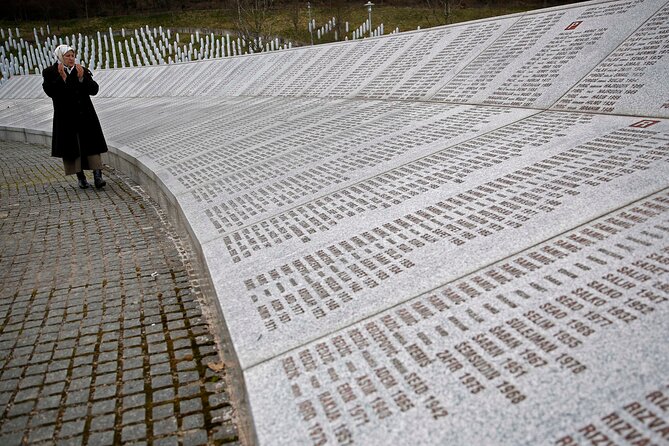
Reviewed · SREBRENICA GENOCIDE MEMORIAL
Remembering Srebrenica Genocide
Srebrenica hits hard, this tour helps. I like that the day is built around a small group (max 15) and a licensed local guide, so the story stays personal and clear. You also visit the Potočari UN base area, now used as a gallery of genocide.
I also love the practical flow. Round-trip air-conditioned transportation keeps the day manageable, and you get real time on site, including about 3 hours at the main memorial.
One consideration: this is emotionally heavy, and food is not included. With no lunch or snacks provided, you’ll want to plan ahead with water and something simple to eat.
In This Review
- Key things that make this tour worth your time
- Why go from Sarajevo, and what the day is really for
- Small group, English tour, and the comfort that actually helps
- Potočari Memorial: how the day makes remembrance concrete
- The former UN base gallery: why it stays with you
- Srebrenica today: seeing reconciliation without sugarcoating
- How the Bosnian War context is explained on this day
- Price and value, including what $78.27 does for you
- What to bring so you can focus, not struggle
- Who this tour is best for
- Should you book this Remembering Srebrenica Genocide tour?
- FAQ
- What time does the tour start and where do I meet?
- How long is the tour?
- What is the maximum group size?
- Is the tour offered in English?
- What’s included in the price?
- Are snacks or lunch included?
- How do I get the ticket?
- Can I cancel for a full refund?
Key things that make this tour worth your time
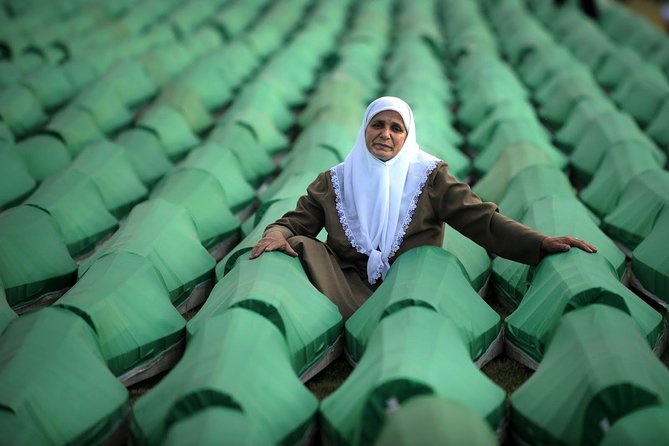
- Max 15 people, so questions do not get rushed away
- Licensed local guide who frames the genocide and the Bosnian War in plain, direct terms
- Potočari memorial time (about 3 hours) in a place designed for remembrance
- Former UN base gallery (included in the memorial complex) that shows how testimony lives on
- Short follow-up in Srebrenica (about 45 minutes) to see what reconciliation looks like now
- Admission listed as free for both the memorial stop and Srebrenica stop
Other visits to the Srebrenica memorial:
- From Sarajevo: Srebrenica Genocide Memorial Study Tour
★ 5.0 · 359 reviews - Sarajevo: Srebrenica Genocide Study Tour with War Veteran
★ 5.0 · 263 reviews - From Sarajevo: Srebrenica Genocide Memorial Study Tour
★ 5.0 · 242 reviews - Sarajevo to Srebrenica: Genocide Study Tour with War Veteran
★ 5.0 · 131 reviews
Why go from Sarajevo, and what the day is really for
A trip to Srebrenica is not about ticking a box. It is about understanding how atrocity happened, what survivors carried forward, and how remembrance shapes a society. From Sarajevo, you get that focus without having to piece together long bus routes on your own.
The structure of the day matters. You start early, ride out together, and then you spend enough time at the memorial complex to take it in slowly. That pacing is important, because the subject is emotionally demanding and your guide needs room to explain clearly before you walk through the spaces yourself.
Also, the tour is designed around a local perspective. That tends to make the learning feel less like a textbook summary and more like lived history, with the human consequences kept in view.
Small group, English tour, and the comfort that actually helps
This is a small-group day trip with a maximum of 15 people. In practice, that means you’re more likely to get a real dialogue, not just one-way audio. It also helps with logistics, since everyone is traveling on the same schedule in one vehicle.
The tour is offered in English. If you’re choosing this from Sarajevo, you’re already aiming for a guide who can explain the painful details accurately and respectfully. That matters here, because misunderstandings can happen easily when people only know fragments.
You get round-trip transportation in an air-conditioned vehicle. That may sound like a comfort detail, but it affects the whole experience. When you’re heading into a long day, arriving steadier helps you listen, and it helps you stay present instead of mentally counting the minutes.
Potočari Memorial: how the day makes remembrance concrete
Your first stop is the Srebrenica Genocide Memorial complex in Potočari, including the area of the former UN base, which is now used as a gallery of genocide. This is where the tour earns its emotional weight.
You have about 3 hours here, and that time box is useful. Too-short visits can turn tragedy into a blur of facts. Too-long visits can feel like you are forcing your brain to absorb far more than it can hold at once. Three hours gives you room for both explanation and reflection.
What I’d pay attention to during this stop is the way the site connects testimony to present memory. The memorial approach centers survivors’ scars on the heart and mind, not just dates and numbers. That’s what makes it harder, and also why it’s more meaningful. A good guide keeps bringing you back to what it meant for real people, so the history stays anchored in human experience.
You’ll also likely have plenty of moments for questions. Past visitors praised guides who were frank, fair, caring, and able to handle emotions without being dismissive. If you’re the type who feels angry, sad, numb, or confused, you’re not doing it wrong. A guide who makes space for emotions can keep the visit from feeling cold or mechanical.
The memorial complex can feel very direct. So if you know you want context before you enter, arrive with a mindset of listening first, looking second. It’s easier to process what you see when you understand how the events unfolded and why the memorial exists in this exact form.
Other Sarajevo trips worth comparing
- Fall of Yugoslavia, Sarajevo War Tour with Tunnel of Hope Museum and Frontlines
★ 5.0 · 1,314 reviews

The former UN base gallery: why it stays with you
Including the authentic UN base area, now functioning as a gallery of genocide, is a major part of what makes this tour different from a simple bus ride plus a viewpoint.
This stop can change how you picture those July days. You stop thinking only in terms of headlines and start imagining the geography of fear and survival. The gallery format helps translate witness testimony into something you can confront calmly, even when your stomach clenches.
I like that the tour does not treat this as a quick photo stop. It is built into your main memorial time. That sends a clear signal: this is remembrance, not sightseeing.
And because the guide experience has been consistently praised as caring and attentive, you’re more likely to get explanations that match the tone of the place. A harsh subject needs a gentle handling of words. The best guides in this setting know when to slow down, when to answer directly, and when to acknowledge that some answers are simply painful.
Srebrenica today: seeing reconciliation without sugarcoating
After Potočari, you move to Srebrenica itself for about 45 minutes. This part is shorter by design, but it’s not an afterthought.
You get to see how Srebrenica looks now, and you learn more about the reconciliation process. That word can sound abstract, but on the ground it becomes concrete. Reconciliation is not a neat ending. It’s something people work on while the past remains present in families, in memory, and in the ongoing need to acknowledge what happened.
This is where your guide’s framing can make a difference. Some days you leave with only sadness. Other days you leave understanding complexity, including why moving forward is difficult and why learning has to continue.
If you’re a person who dislikes being led through trauma without hope, don’t panic. The tour includes that reconciliation angle, which many visitors find grounding. It’s not cheerful. It’s just honest about what survival and rebuilding require.
How the Bosnian War context is explained on this day
The goal here is deeper insight into the Bosnian War, using Srebrenica as the central lens. That matters because the events of 1995 do not sit in a vacuum. If you only know the massacre headline, you miss the wider conditions that made mass violence possible.
A strong guide turns that into something you can hold. People who have gone on this tour with guides such as Emina Koso Sarajcic have praised the ability to explain complicated things simply and in an appropriate way. History teachers, students, and people doing research often want the factual backbone, and these guides tend to provide it.
At the same time, the best tour style here is not just reciting. It’s framing, pacing, and honesty. Visitors have highlighted candor paired with care, meaning you learn what happened without being talked at like a class.
So when the guide is explaining the lead-up to the genocide, listen for two things: what changed, and what people experienced. Those two threads turn dates into meaning.
Price and value, including what $78.27 does for you
At $78.27 per person, this is not a cheap day trip, but it’s also not priced like a luxury experience. Here’s what you’re paying for, in plain terms.
First, you’re paying for a licensed guide. In this kind of subject, the guide is the product. Good interpretation matters, especially when the material is emotionally charged and historically complex.
Second, you’re paying for round-trip transportation in an air-conditioned vehicle. Getting to Potočari takes time, and doing it solo can be harder than you’d think. This tour removes that planning stress and keeps your attention on the learning.
Third, admission listed as free at the main stop and the Srebrenica stop reduces extra costs on the day. That’s worth noting, since some memorial visits come with fees that add up.
What’s not included is food. With no lunch or snacks, you should plan to buy something near your own needs before the day starts or bring simple items if allowed. It’s a small budget item, but it affects comfort. When you’re walking, sitting, and listening for hours, hunger makes the whole experience harder.
What to bring so you can focus, not struggle
Because this is long and emotionally intense, pack for comfort and patience.
Bring a small bottle of water, and consider a light snack, since snacks and lunch are not included. Wear comfortable shoes, because memorial visits usually involve walking and standing in places where you’ll want to pause and look.
Also, bring a mindset for slow processing. If you’re the type who wants to take notes, do it. If you prefer to put your phone away and just listen, that can work too. Either way, you’ll get more out of the day if you let the guide set the pace rather than trying to race ahead mentally.
One small but practical tip: if you tend to get overwhelmed in museums or memorials, give yourself permission to take short breaks. The tour timing includes time for explanation, and that’s a cue that your body will likely need decompression during and after.
Who this tour is best for
This is a strong choice if you want a structured, guided day trip from Sarajevo to the Srebrenica Memorial complex. The small group size makes it easier for people who have questions, including students, researchers, and teachers, since the explanations can be tailored to the group’s pace.
It’s also a good match if you care about human tone. Reviews for guides on this day emphasize care and help managing emotions, which is exactly what you want when visiting genocide remembrance sites.
If you dislike emotional subject matter, or if you can’t handle very serious history, this may feel like the wrong kind of day. But if you can face it with respect, you’ll likely appreciate the guide’s honesty and the memorial’s careful design.
Should you book this Remembering Srebrenica Genocide tour?
Yes, if you want an organized day trip that balances history, testimony, and time on site. The best reason to book is the combination of small group size plus a licensed local guide who can explain events with candor and care. That pairing matters when the subject is hard to process and even harder to understand from afar.
Book it especially if:
- you’re starting in Sarajevo and want round-trip transport handled
- you prefer guided context before you walk through the memorial spaces
- you want English-language interpretation
- you’re prepared for an emotionally heavy visit
Skip it if:
- you need a light or casual outing, or you are not ready for intense, upsetting history
- you can’t manage a long day without food included
FAQ
What time does the tour start and where do I meet?
It starts at 8:00 am at Zelenih beretki 30, Sarajevo 71000, Bosnia and Herzegovina.
How long is the tour?
The total duration is about 8 hours 30 minutes.
What is the maximum group size?
The tour has a maximum of 15 travelers.
Is the tour offered in English?
Yes. The tour is offered in English.
What’s included in the price?
You get a licensed guide and round-trip transportation in an air-conditioned vehicle. Admission is listed as free for both stops.
Are snacks or lunch included?
No. Snacks and lunch are not included.
How do I get the ticket?
You receive a mobile ticket.
Can I cancel for a full refund?
Yes, it offers free cancellation up to 24 hours in advance of the experience for a full refund.
Most recently added near Sarajevo
- Sarajevo : Private Walking Tour With A Guide (Private Tour)★ 5.0 · 1 review
- Sarajevo: Islamic Tour | 500+ years of Glorious Heritage★ 5.0 · 1 review
- Sarajevo: Srebrenica – A Journey of Remembrance★ 5.0 · 1 review
- Transfer tour Sarajevo-Dubrovnik★ 5.0 · 1 review
- Bunker: Tito’s Secret & Boracko Lake Tour from Sarajevo★ 5.0 · 1 review
- Svrzo House Entrance Ticket★ 5.0 · 1 review
- Thrilling Rafting Adventure on the Neretva River with Lunch★ 5.0 · 1 review
- Private transfer (FROM-TO) Sarajevo – Dubrovnik★ 5.0 · 1 review
Srebrenica Genocide Memorial, compared.

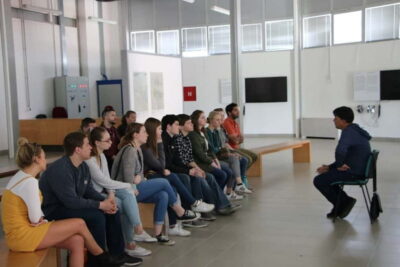
Srebrenica Genocide Study Tour with War Veteran
Read our review →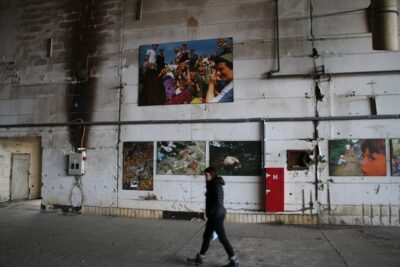
Sarajevo to Srebrenica: Genocide Study Tour with War Veteran
Read our review →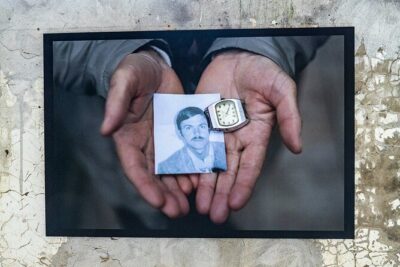
Understanding Srebrenica Genocide Tour + Lunch with Local Family Included
Read our review →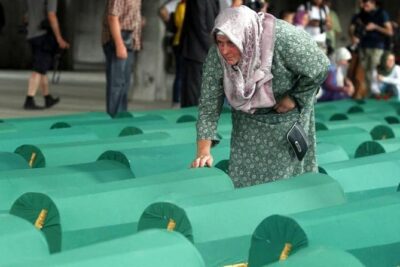
Understanding Srebrenica Genocide – Day tour from Sarajevo
Read our review →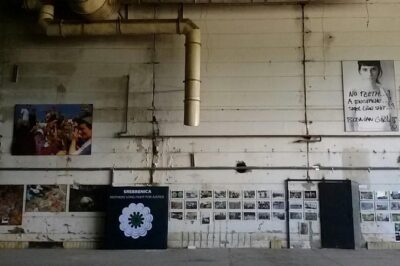
Understanding Srebrenica Genocide + Lunch With Local Family – Private Tour
Read our review →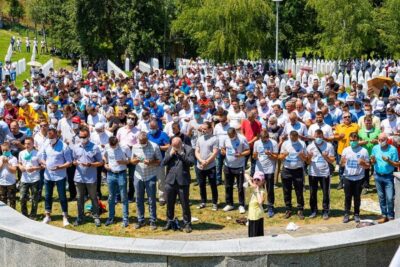
Understanding Srebrenica Genocide + Lunch with Local Family
Read our review →Browse the lists this tour appears in