
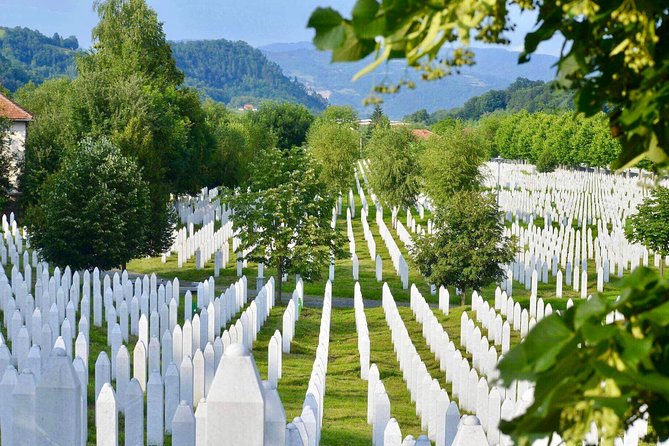
Reviewed · SREBRENICA GENOCIDE MEMORIAL
REMEMBERING SREBRENICA (Genocide study tour 11/07/95)
Srebrenica is one of the hardest chapters in European history, and this tour treats it that way. I like that it mixes formal education, on-site memorial spaces, and firsthand testimony, not just sightseeing. You’ll see the Srebrenica–Potočari Memorial and Cemetery, then move through the key places tied to the events of 1995.
What I especially like is the way the day is structured around clear explanations and a documentary plus museum visit before you reach the memorial grounds. Another strong point is the inclusion of the UN base area and the chance to talk with witnesses of the massacre, which turns the story from abstract facts into something you can actually understand.
One consideration: this is a heavy, emotionally intense subject. If you prefer upbeat trips or short, light museum visits, this may feel like too much in one day.
In This Review
- Key highlights at a glance
- Why this Srebrenica genocide study tour feels different from a typical day trip
- The 8:30 am start from Sarajevo, and why it helps your experience
- Documentary and Srebrenica Museum, 11:00 to 12:30
- The UN base stop, plus Battery factory and witness conversations
- Entering the Srebrenica–Potočari Memorial and Cemetery
- A short introduction to today’s Srebrenica, not just a past-tense town
- Price, group size, and what you actually get for $90.38
- What to expect from the guide and how to get the most out of the day
- Who this tour is best for, and who should think twice
- Should you book Remembering Srebrenica from Sarajevo?
- FAQ
- Where does the Remembering Srebrenica tour start?
- How long is the tour?
- What is the group size limit?
- What are the main stops during the day?
- Is admission included?
- What is the cancellation window?
Key highlights at a glance
- Small group format (max 5) keeps the questions and pacing more manageable.
- Documentary and Srebrenica Museum come before the memorial cemetery, so context lands first.
- UN base visit and Battery factory stop connect the story to specific locations from 1995.
- Witness conversations give the day its human weight.
- Srebrenica–Potočari Memorial and Cemetery is the core experience, with admission included.
- A short drive-through town helps you see today’s Srebrenica beyond the past.
Other visits to the Srebrenica memorial:
- From Sarajevo: Srebrenica Genocide Memorial Study Tour
★ 5.0 · 359 reviews - Sarajevo: Srebrenica Genocide Study Tour with War Veteran
★ 5.0 · 263 reviews - From Sarajevo: Srebrenica Genocide Memorial Study Tour
★ 5.0 · 242 reviews - Sarajevo to Srebrenica: Genocide Study Tour with War Veteran
★ 5.0 · 131 reviews
Why this Srebrenica genocide study tour feels different from a typical day trip
This is not a casual half-day tour where you tick off sights and head home. It is a structured study of the 1995 Srebrenica genocide, which took place during the Bosnian War period of 1992 to 1995. The name Remembering Srebrenica includes 11/07/95, pointing to the date that sits at the heart of public remembrance for what happened there.
The practical value for you is that the tour does not rely on memory alone. You get a sequence: documentary, museum, place-based visits, then the memorial cemetery complex. That order matters. Your brain can hold the story better when you see the context first, then the memorial space, then the locations where people were held or where key events unfolded.
And yes, it is solemn. But it is also grounded. The memorial is a real cemetery and remembrance space for the victims, mainly Bosniaks, with at least 8,372 victims recorded. That means the day is built around names, loss, and accountability, not vague symbolism.
The 8:30 am start from Sarajevo, and why it helps your experience
You meet at Đulagina 2 in Sarajevo at 8:30 am. From there, you drive to Srebrenica with your guide. The drive runs roughly from 08:30 to 11:00, giving you time to settle in and let the morning start do some mental prep.
For many visitors, the biggest mistake is arriving late, rushing, and mentally skipping steps. Starting at 8:30 keeps the day paced. You can take in the documentary and museum visit without feeling like you are already running behind before you hit the cemetery.
Also, the group size is capped at a maximum of 5 travelers. That matters more than you might think. In a tour about genocide study, you want a guide who can manage questions and keep the tone respectful, not a loud group pushing through without space to process.
Documentary and Srebrenica Museum, 11:00 to 12:30
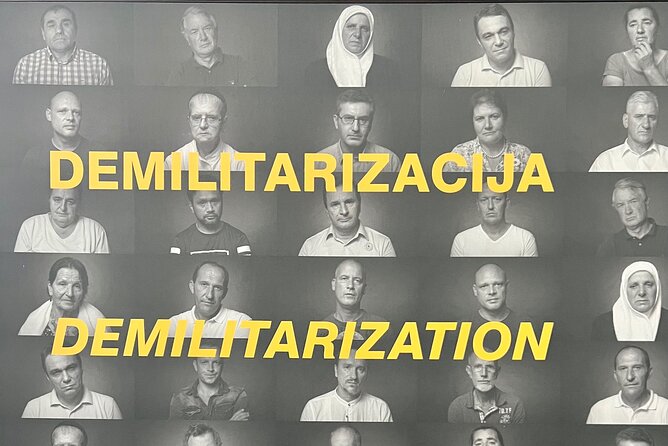
Around 11:00 am, the schedule moves into the classroom-style part of the day: you watch a documentary about Srebrenica, then you visit the Srebrenica Museum. This segment runs to about 12:30.
I like this phase because it gives you a timeline and a framework before you’re standing in remembrance ground. You are not just looking at objects. You’re learning what the area represents, why 1995 is remembered the way it is, and how the events unfolded during the war period.
For your planning, remember that the museum and documentary are part of the emotional build-up. If you know you get overwhelmed by videos, you may want to mentally prepare for that. If you’re the kind of person who learns best through visuals, this is the right ordering.
What the museum adds is location-based understanding. Even without turning it into a sightseeing day, you get a more precise sense of place. That makes the later stops more meaningful because you can connect what you hear to what you see.
Other Sarajevo trips worth comparing
- Fall of Yugoslavia, Sarajevo War Tour with Tunnel of Hope Museum and Frontlines
★ 5.0 · 1,314 reviews


The UN base stop, plus Battery factory and witness conversations
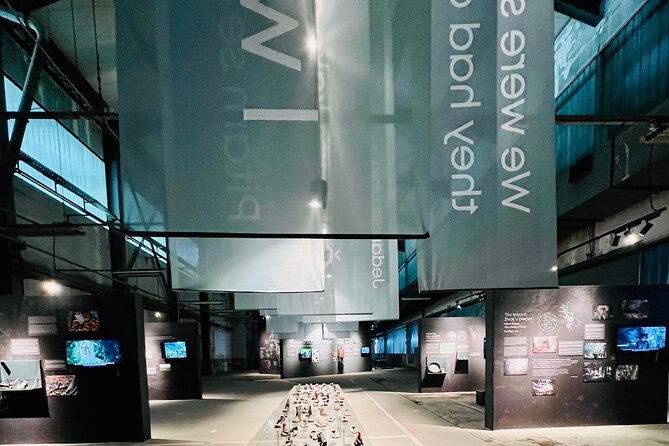
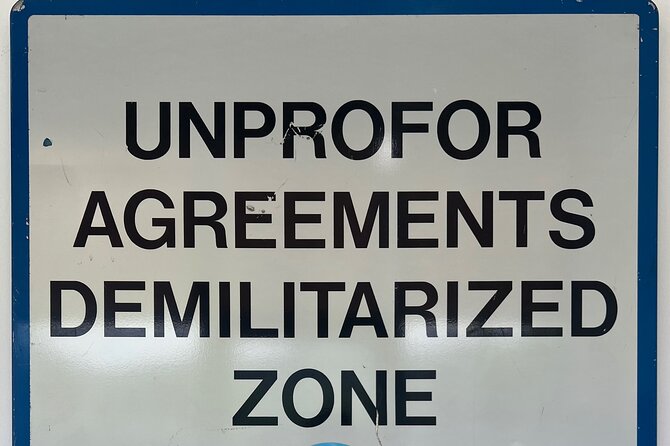
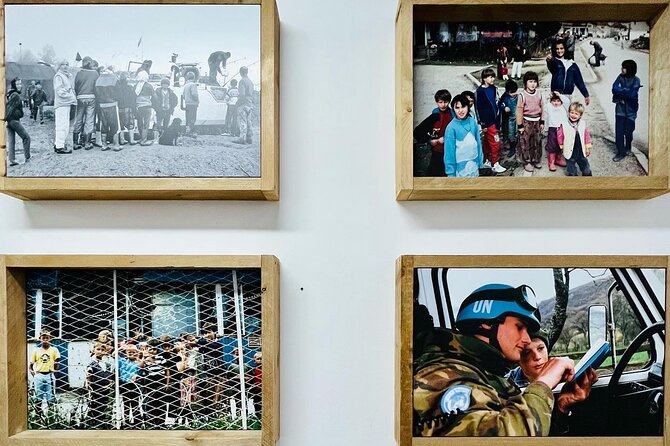
From 12:30 to 13:00, the tour includes a visit to the UN base in Srebrenica, followed by time at the Battery factory and a chance to talk with witnesses of the massacre.
This is the moment where the day changes from education to human testimony. A documentary can explain events, but witness conversation adds direct lived experience. It can also raise questions. If you’re worried about what to ask, you do not have to turn it into an interview. Often the most respectful approach is to listen closely and ask a simple question for clarity on something you did not understand.
The inclusion of these stops is a key value for you because it links major places in Srebrenica to the wider narrative of the genocide. You’re not only learning the idea of Srebrenica. You’re connecting the story to facilities tied to the events of 1995, including the UN base and the Battery factory area.
One consideration is that testimony can be difficult to hear. This is not a light cultural experience. If you go in expecting background music and small talk, you’ll feel out of place. If you go in with a listening mindset, you’ll probably get more out of it, even if it hurts.
Entering the Srebrenica–Potočari Memorial and Cemetery
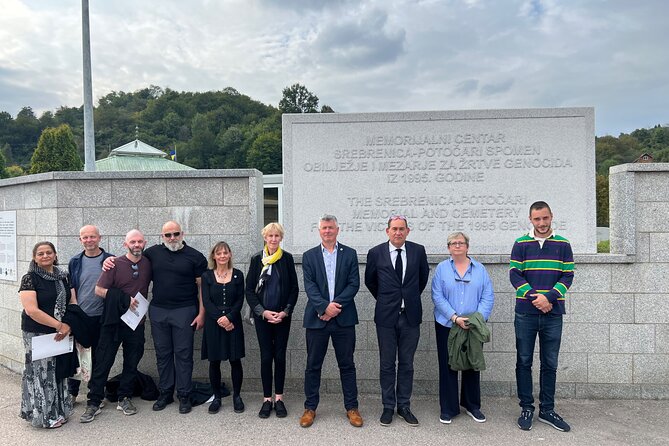
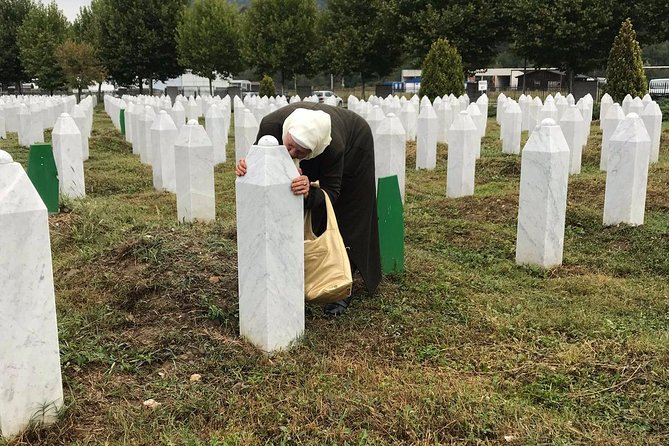
After the witness and site segment, the tour moves to the memorial cemetery complex: Srebrenica–Potočari Memorial and Cemetery for the Victims of the 1995 Genocide. Your time here is listed as about three hours, and admission is included.
This is the heart of the experience. The memorial-cemetery complex exists to honor the victims of 1995. The scale is part of what makes it so difficult to process. The information given notes at least 8,372 victims, mainly males, mostly Bosniaks. Standing in the remembrance space, you feel how the numbers represent people, families, and a community that was shattered.
I also like that the tour does not rush this stop. Three hours gives you a chance to absorb, pause, and take it in without feeling like you’re being herded along. If you’re the type who needs a moment to go quiet, this kind of pace helps.
Drawback to keep in mind: the memorial can be physically and emotionally demanding. You might want to plan your day so you are not trying to schedule a big meal right after. Consider letting the experience settle before your next activity.
A short introduction to today’s Srebrenica, not just a past-tense town
After the main memorial segment, there’s also a smaller but helpful stop: Srebrenica, where the group drives through the city for about 30 minutes. The purpose is straightforward: you’re introduced to the current situation of its citizens.
This piece matters more than it sounds. If all you do is focus on 1995, the town becomes frozen in tragedy. A brief drive-through reminds you that Srebrenica is not only a memorial location. It’s a place where people live now. You’ll likely notice how that shapes the atmosphere, even during a short route.
It’s only 30 minutes, so you’re not getting a full tour of daily life. But it can help you keep the day anchored in reality rather than turning it into a purely historical stop.
Price, group size, and what you actually get for $90.38
The price is listed at $90.38 per person for an approximately 9-hour experience. For many travelers, the big question is whether that cost feels justified.
Here’s why it can make sense for value. You’re not paying just for transportation. You’re paying for a guided, structured learning day that includes:
- a documentary and Srebrenica Museum time
- admission linked to the memorial cemetery experience
- visits connected to the UN base and Battery factory
- time that includes talking with witnesses
- a small-group setting capped at 5 travelers
- a full-day format with return back to the meeting point in Sarajevo
In other words, the fee is covering the educational and access components, not just the drive. Small groups also typically mean the guide can answer questions without time pressure.
As for drawbacks on value, the only realistic one is also the most personal: if this subject matter is not what you want to spend your day on, no price will feel worth it. The tour is intense by design. It is meant for people who can handle that and want to learn carefully.
What to expect from the guide and how to get the most out of the day
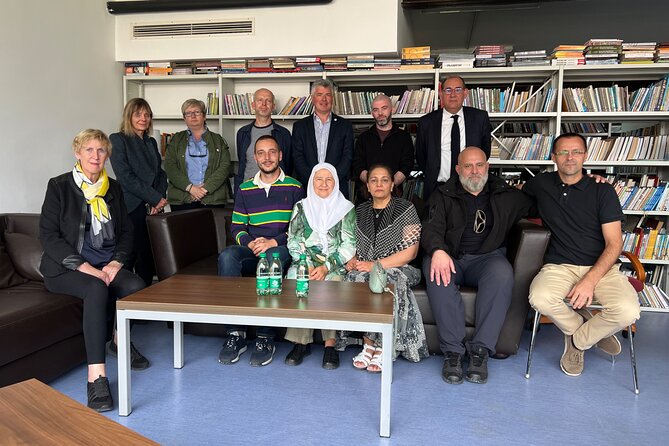
The tour is offered by Art and Tours Sarajevo, and the overall impression from the way the experience is described is that the guide plays a central role in clarity. On a topic this complex, what you want is an explanation that keeps you oriented without turning it into a lecture that forgets you’re human.
To get the most out of it, I’d suggest you treat your questions as part of learning, not part of debate. If something is unclear, ask for clarification. If something feels overwhelming, you don’t need to push yourself to keep talking. A respectful silence is fine.
Also, because the experience includes a documentary and witness conversations, your attention span may matter. You’ll likely get more if you avoid multitasking. Put your phone away during the sensitive parts. Let the guide’s explanations do their job.
Who this tour is best for, and who should think twice
This tour fits best for you if you want more than a surface-level stop. If you’re interested in genocide study, historical accountability, or understanding how events in the Bosnian War period shaped Srebrenica, this format helps. The documentary and museum give context, then the memorial cemetery anchors it, then testimony connects it to lived reality.
It also fits for you if you like small groups. With up to 5 travelers, the day is less chaotic and more personal. That’s a big deal on a subject that requires focus.
You should think twice if you want an easy sightseeing day, because this is a heavy topic with a serious memorial component. If you’re traveling with someone who gets distressed by difficult history, it may still be meaningful, but you should set expectations before you go.
Should you book Remembering Srebrenica from Sarajevo?
If you want a guided, place-based Srebrenica genocide study tour, this is a strong choice. The day structure makes sense: context first, museum and documentary next, then sites tied to the events, and finally the Srebrenica–Potočari Memorial and Cemetery with a generous time slot. The small-group size also makes it easier to keep the tone respectful and questions manageable.
Book it if you’re ready for a thoughtful, emotionally serious day and you value witness-led and memorial-based learning over quick photo stops. Skip it if your idea of a trip is light and flexible, because the content will not let you stay on cruise control.
FAQ
Where does the Remembering Srebrenica tour start?
The tour starts at Đulagina 2, Sarajevo 71000, Bosnia and Herzegovina at 8:30 am.
How long is the tour?
The duration is listed as approximately 9 hours.
What is the group size limit?
This activity has a maximum of 5 travelers.
What are the main stops during the day?
The tour includes the Srebrenica Genocide Memorial (Srebrenica–Potočari Memorial and Cemetery), a documentary and Srebrenica Museum, a visit related to the UN base in Srebrenica, the Battery factory, witness conversations, and a short drive through Srebrenica.
Is admission included?
Admission is included for the Srebrenica Genocide Memorial stop.
What is the cancellation window?
You can cancel for a full refund up to 24 hours before the experience’s start time. If you cancel less than 24 hours before, the amount you paid is not refunded.
Most recently added near Sarajevo
- Sarajevo : Private Walking Tour With A Guide (Private Tour)★ 5.0 · 1 review
- Sarajevo: Islamic Tour | 500+ years of Glorious Heritage★ 5.0 · 1 review
- Sarajevo: Srebrenica – A Journey of Remembrance★ 5.0 · 1 review
- Transfer tour Sarajevo-Dubrovnik★ 5.0 · 1 review
- Bunker: Tito’s Secret & Boracko Lake Tour from Sarajevo★ 5.0 · 1 review
- Svrzo House Entrance Ticket★ 5.0 · 1 review
- Thrilling Rafting Adventure on the Neretva River with Lunch★ 5.0 · 1 review
- Private transfer (FROM-TO) Sarajevo – Dubrovnik★ 5.0 · 1 review
Srebrenica Genocide Memorial, compared.

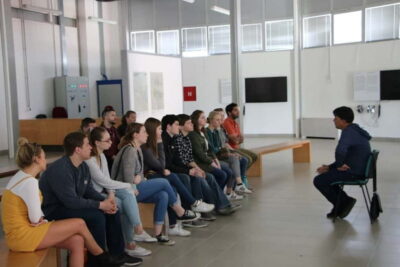
Srebrenica Genocide Study Tour with War Veteran
Read our review →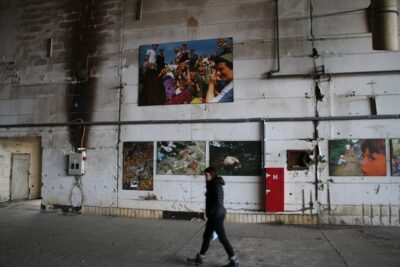
Sarajevo to Srebrenica: Genocide Study Tour with War Veteran
Read our review →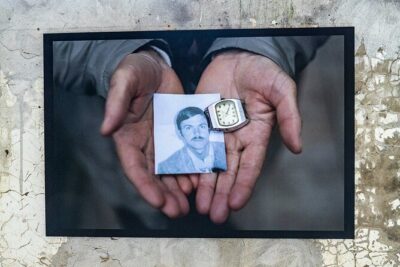
Understanding Srebrenica Genocide Tour + Lunch with Local Family Included
Read our review →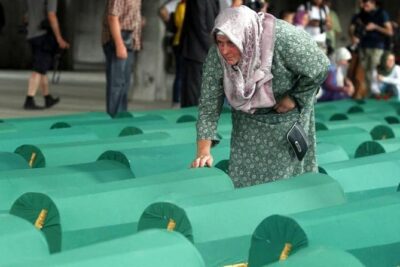
Understanding Srebrenica Genocide – Day tour from Sarajevo
Read our review →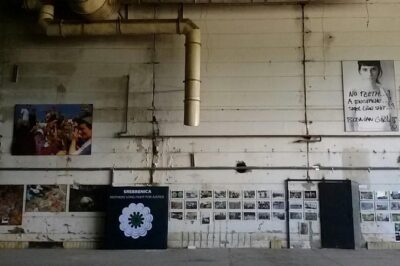
Understanding Srebrenica Genocide + Lunch With Local Family – Private Tour
Read our review →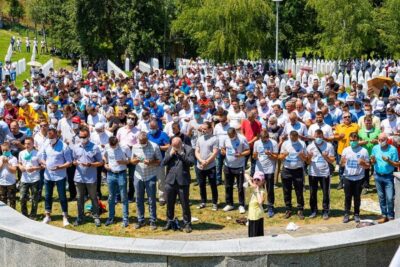
Understanding Srebrenica Genocide + Lunch with Local Family
Read our review →Browse the lists this tour appears in