
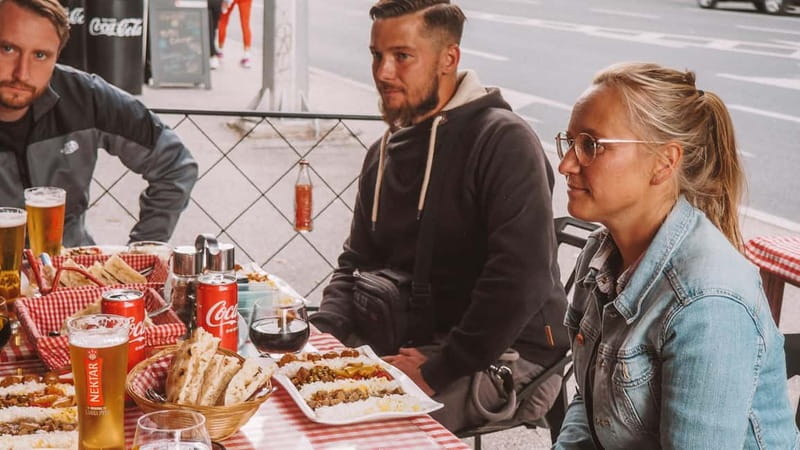
Reviewed · FOOD & DRINK
🍽️ Sarajevo Food Tour: Eat where the locals eat
Grbavica is a food lesson on foot. I loved the small-group feel, and I also loved how the tour treats rakija as part of the local story, not just a shot. The main catch is simple: you walk about 5 km, so this isn’t a good fit for people with mobility issues.
What makes this tour special is the combination of everyday neighborhood food and real Sarajevo context. You start with memorial-style points, cross the city on foot, and end with bakery stops, a market, and a stadium visit tied to the siege experience. If you like eating where locals actually shop and order, you will get exactly that.
In This Review
- Key things I’d highlight before you go
- Why Grbavica makes the best kind of Sarajevo “food tour”
- Your guide matters more than you think (and Cheyf Reisen helps)
- Starting at the replica of Zgosca’s Stecak, then moving into the city’s memory
- The first tastings: local restaurant comfort food that starts the appetite fast
- Pijaca Grbavica and the market vibe: where produce meets daily talk
- Burek and bakery time: the Sarajevo classic, done the local way
- General Jovan Divjak mural and photo stop: street memory with context
- Grbavica walk, then the stadium visit tied to the siege
- Dolac Malta and the café stop: fresh air, then another round of local tastes
- The final bar and the dessert that actually has a backstory
- Bosnian drinks: icy rakija, plus beer or wine options
- What you actually eat: four dishes beyond ćevapi, plus dessert
- Price and value: $81 for 5 hours that actually feeds you
- Logistics you should know so you enjoy the day
- Who should book this Sarajevo Grbavica food tour
- Should you book it or pass?
- FAQ
- How long is the Sarajevo Food Tour in Grbavica, and how much walking is involved?
- How large is the group?
- What food and drinks are included?
- Can the tour accommodate dietary requirements?
- What stops are part of the tour besides the food places?
- Is transportation back to the city included?
- Is the tour suitable for mobility impairments, and can I bring luggage?
Key things I’d highlight before you go
- Walk with a local guide, with close connections to Grbavica and plenty of stories along the way
- Four different dishes that go beyond ćevapi, plus hearty portions so you do not snack beforehand
- Rakija, served ice-cold, with the option of wine or beer if you want a gentler start
- Pijaca Grbavica market time, with fresh produce you can see and taste the vibe of daily life
- Grbavica stadium visit, linked to how the neighborhood and city endured and rebuilt
- Dessert from a famous pâtisserie established in the 70s, so the sweet stop has real local roots
A few more Food Tours in Sarajevo
- Private Walking Tour, Food Tasting and Bosnian Coffee in Sarajevo
★ 5.0 · 255 reviews - Sarajevo: 4-Hour Food And Craft Tour
★ 5.0 · 70 reviews - Sarajevo: Sarajevo City Market, Old Town Food Tasting Tour
★ 4.9 · 69 reviews - Sarajevo: Food And Crafts tour
★ 4.9 · 23 reviews
Why Grbavica makes the best kind of Sarajevo “food tour”
Most Sarajevo food tours stop at places that look good on a map. This one works differently because it pulls you into Grbavica, a neighborhood with scars and pride. You are not just tasting food, you are learning how people rebuilt their routines after disruption and how that shows up in what they eat and where they gather.
I also like that the tour is built around normal life. You walk past everyday streets, you see how people shop, and you get food from places that feel like part of the neighborhood’s rhythm. That means the meal stops feel less like a performance and more like you are being introduced to a community habit.
Your guide matters more than you think (and Cheyf Reisen helps)
Small groups change the tone. With a max of 8 people, you get more back-and-forth, more room for questions, and a less rushed pace. The guide also matters because they can explain food with context, not just names and ingredients.
I’ve seen guides in many cities talk about history like it is a lecture. Here, the story style is more personal, because you are walking with someone tied to the area. Some guides mentioned in the experience feedback, like Nermin and Numa, are praised for humor, flexibility, and knowing the people and places well enough to make everything feel easy.
One practical bonus: you may get history moments with visual support, like images shown on a device during key sections. That keeps the siege-era context clear without turning the day into a classroom.
Starting at the replica of Zgosca’s Stecak, then moving into the city’s memory
The tour begins at a replica of Zgosca’s Stecak. You do not need to know the term to appreciate the intent: it is a marker that sets a tone for remembrance and identity. It is a calm opener before you shift into walking through the modern streets of Sarajevo.
From there you head toward Suada and Olga Bridge. This is not just “scenic walking.” It is a moment that helps you understand why Sarajevo remembers what it remembers, and how monuments and bridges become part of daily awareness.
Even if you usually skip the first stop on a food tour, I’d treat this part as part of the meal setup. Food and history are linked here, so getting your bearings early makes later stories land better.
Another way to spend the day from here:
- Fall of Yugoslavia, Sarajevo War Tour with Tunnel of Hope Museum and Frontlines
★ 5.0 · 1,314 reviews
The first tastings: local restaurant comfort food that starts the appetite fast
A typical early highlight is the local restaurant stop where you taste food right away. The tour is structured to get you eating early, and that is smart because you end up with real hunger by the time you reach the market and bakery phase.
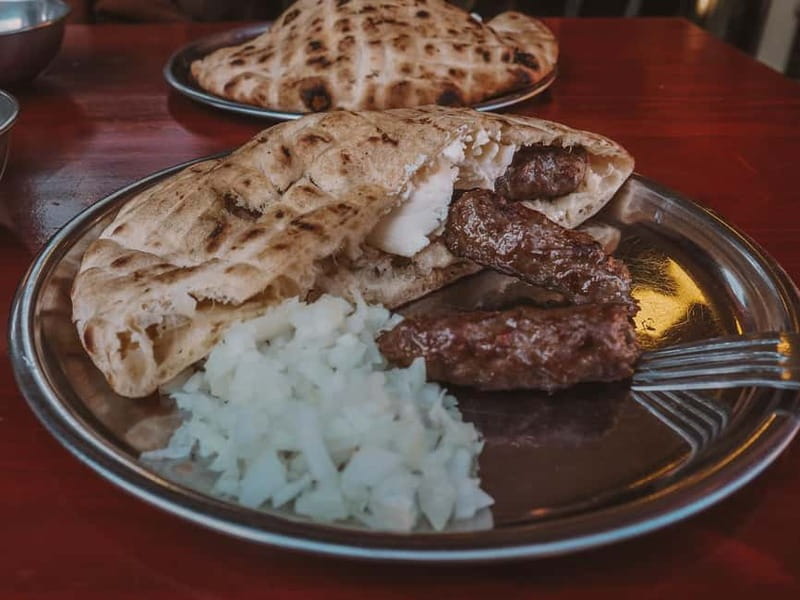
The food focus stays clearly on Bosnian staples. Expect a mix that includes items like burek and warming dishes described as soups and hearty comfort meals. You are also introduced to an Aščinica, which is a local shop serving home-cooked style meals. That is a big deal for value because it gets you out of the “tourist menu” mindset and into what locals treat as normal eating.
Portions are repeatedly described as generous, which is why I strongly recommend you show up with a real appetite. If you eat beforehand, you will reduce the experience of the later stops, especially the market and dessert segments.
Pijaca Grbavica and the market vibe: where produce meets daily talk
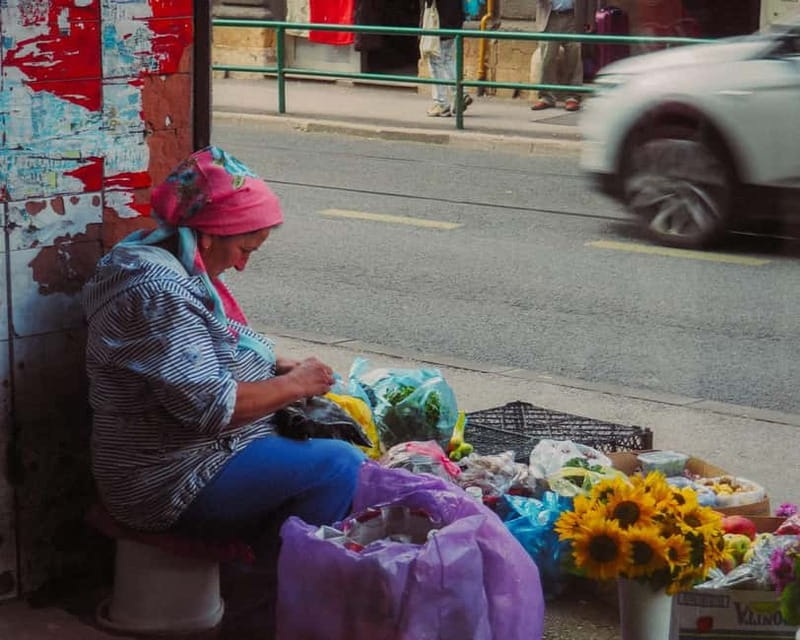
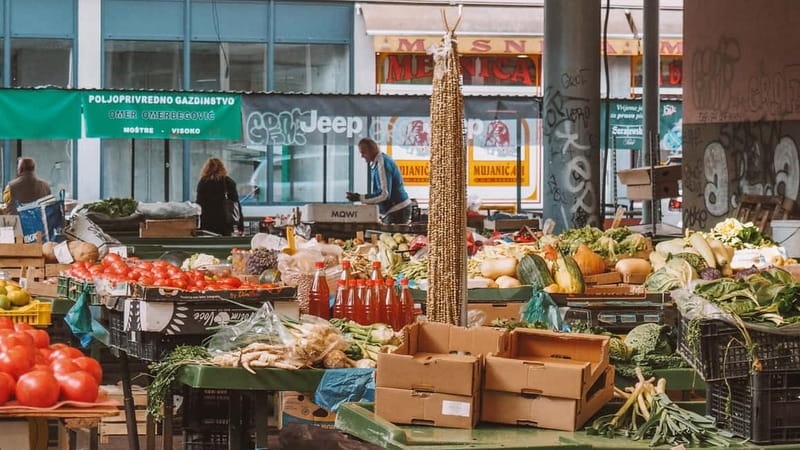
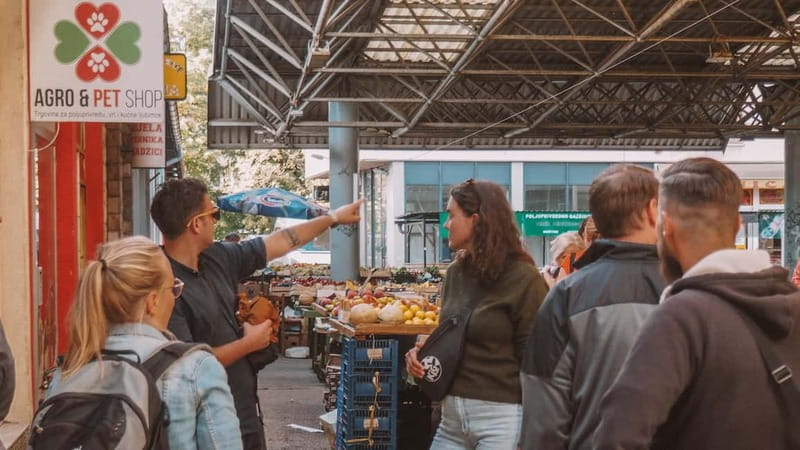
One of the best parts of this tour is the time at Pijaca Grbavica Sarajevo, the neighborhood market. This is where the day turns practical in a good way. You see fresh produce, watch vendors work, and get a sense of how locals plan meals beyond takeout.
The market moment does two things for you. First, it adds energy, because you are moving through a real food environment. Second, it makes the tastings feel grounded. You can connect what you taste later to what you saw earlier, instead of treating everything as random stops.
In terms of what to do during this portion, I’d keep your questions flowing. Ask what is seasonal, what people buy most, and what foods matter in everyday households. With a small group and a guide who knows the neighborhood, you can usually get real answers.
Burek and bakery time: the Sarajevo classic, done the local way
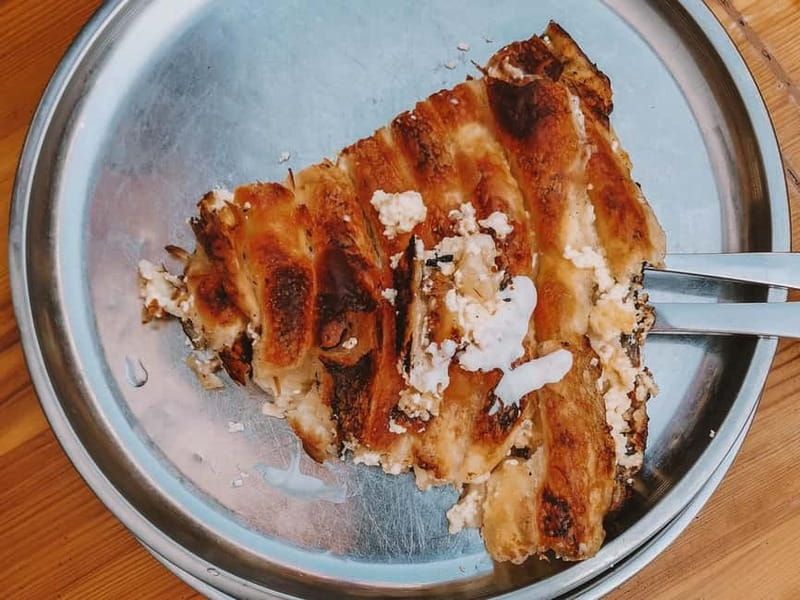
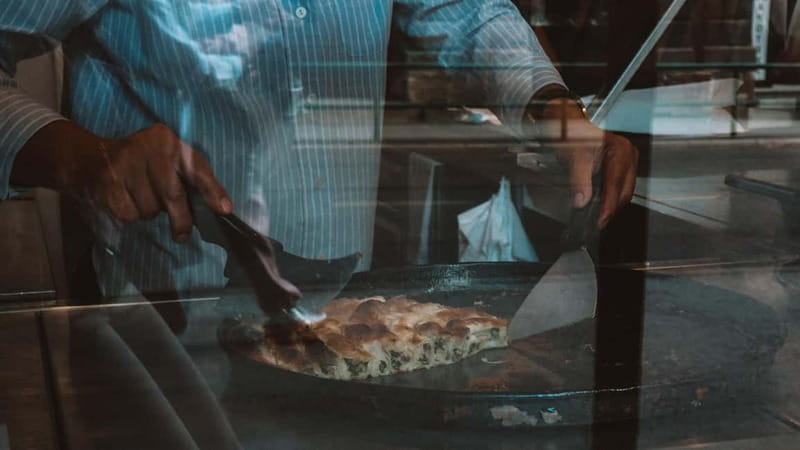
The tour includes an iconic Bosnian burek stop at a local bakery. If your baseline Sarajevo experience is mostly ćevapi, this is the correction. Burek is one of those foods that can be dry or disappointing in the wrong place, but on a local bakery stop it tends to show up hot and satisfying, with the right balance of crust and filling.
This is also a good moment to slow down. Instead of rushing through food, you are given time to taste properly and ask questions about what you are eating. The tour also builds toward dessert later, so the bakery stop is where you get the savory heavy hitters without running out of space.
General Jovan Divjak mural and photo stop: street memory with context
At Mural General Jovan Divjak, you get a photo stop plus explanation. This kind of stop is useful because it keeps the day coherent. You are not jumping from one unrelated “wow” moment to another. Instead, each place adds a layer to the neighborhood identity.
I like photo stops best when they come with a short, focused story. You get just enough detail to understand the significance and then you move on, which keeps you from losing the flow of the food part of the day.
Grbavica walk, then the stadium visit tied to the siege
The center-of-gravity moment is the Grbavica stadium visit. What makes it meaningful is the siege context and how the neighborhood’s resilience shows up in physical places people still use and care about.
The included description also points to the Željezničar stadium, historically positioned on the front lines. Even if you only absorb a few key points, connecting the food day to what people endured adds weight to everything. The tour does not treat this as grim sightseeing. It treats it as a way to understand how normal life returned, including the return of markets, bakeries, and neighborhood hangouts.
This is one of those sections where I recommend you pay attention to the guide’s pacing. The walking and tasting rhythm slows slightly because the story is heavier. If you try to snack mentally through it, you miss why it matters.
Dolac Malta and the café stop: fresh air, then another round of local tastes
After the stadium section, the route includes Dolac Malta for a walk-through. This keeps you moving while still letting the day feel like neighborhood travel rather than a “drive between stops” itinerary.
Next comes a local café food tasting. This is where you get another flavor layer, sometimes paired with drinks, and it helps reset your energy after the stadium story portion. Café stops are often overlooked on food tours, but in a city like Sarajevo they can be important. You see how people slow down, how they order small things, and how the day stretches naturally through conversation.
If you enjoy sitting for a few minutes and watching local routines, this portion is right up your alley.
The final bar and the dessert that actually has a backstory
The tour includes a local bar tasting, followed by a local bakery dessert from a pâtisserie established in the 70s. I love this because it links the last sweet stop to local continuity. A dessert that has been around since the 1970s is not just “a cake.” It is proof of how food culture persists.
Desserts are often the easiest thing to overhype on food tours. Here, the timing helps. By the time you reach dessert, you have already eaten savory dishes across multiple places, so the sweet stop feels like a satisfying finish, not a forced sugar dump.
Bosnian drinks: icy rakija, plus beer or wine options
You will have a chance to sample (in)famous Bosnian rakija, described as served ice-cold, which is how many Sarajevans like it. Rakija is strong, so treat this as a real tasting moment, not a race.
If you want something less intense, the tour also includes options like Bosnian wine or beer. I like having choice here, because it lets you pace your day. You can sip along during walking and still enjoy the food without feeling wiped out.
What you actually eat: four dishes beyond ćevapi, plus dessert
This tour is aimed at getting you past the usual ćevapi-focused Sarajevo bucket list. You are set up to try four different dishes beyond that standard. The experience description specifically points to:
- Beefy burek
- Soul warming soups
- Melt-in-the-mouth desserts
The fourth item is likely tied to the home-cooked style stop, since the tour includes an Aščinica. That matters because you end up with variety in texture and temperature, not just different forms of the same savory pastry.
My best advice: do not plan a big lunch before. Multiple parts of the experience are designed to be eaten, and portions are described as generous. If you arrive slightly hungry, you will enjoy everything. If you arrive full, you will rush, and the later stops will feel like optional extras.
Price and value: $81 for 5 hours that actually feeds you
At $81 per person, this is not a cheap snack crawl. But it does look fair when you match the structure to what you get.
You are paying for:
- A 5-hour guided walking route
- Multiple food stops with a variety of tastings
- Market time and fresh produce atmosphere, not just restaurant seating
- Rakija or other drinks
- A stadium visit tied to siege history
- A small group capped at 8, which usually means less rushing and more interaction
For value, the biggest tell is the portion size and number of stops. The tour is set up so you will leave fed, not merely tasting. If you also care about understanding Sarajevo beyond postcard scenes, the stadium and neighborhood stories help justify the price more than a simple meal-only tour would.
Logistics you should know so you enjoy the day
Plan on walking about 5 km. Wear shoes that handle uneven sidewalks and stairs, because neighborhood routes rarely feel like a flat promenade.
You also should travel light. Luggage or large bags are not allowed, and the group is not set up for mobility limitations. If you carry a compact day bag, you should still be fine, but if you need a lot of gear, rethink the plan.
Transportation back to the city after the tour is not included. The good news: it is described as roughly a 20-minute walk, and once you are done eating, another stroll by the river can feel like a bonus rather than a chore.
Who should book this Sarajevo Grbavica food tour
Book it if you want:
- A real neighborhood food day, not a “tourist strip” sampler
- A mix of food and local context tied to Sarajevo’s lived experience
- A chance to try burek, soups, desserts, and Bosnian drinks like rakija
- A small group where you can ask questions and get answers
Skip it if:
- You need a route designed for mobility impairments
- You want minimal walking or a fully seated food experience
- You are only interested in one specific food, like ćevapi, and nothing else
Should you book it or pass?
I think you should book this tour if you like your Sarajevo travel to feel practical and human. The combination of market atmosphere, multiple savory and sweet stops, and the siege-linked stadium story makes it more than just eating well. If you show up hungry, wear good shoes, and treat the history moments as part of the meal, this is the kind of afternoon you remember.
If you prefer a lighter day with fewer walking sections, or if mobility limits matter for you, then pass. In that case, you would likely get more enjoyment from a different format that fits your pace.
FAQ
How long is the Sarajevo Food Tour in Grbavica, and how much walking is involved?
The tour lasts 5 hours and you will walk approximately 5 kilometers.
How large is the group?
It is a small group with a maximum of 8 participants.
What food and drinks are included?
You get five food tasting stops, including traditional Bosnian dishes such as burek, soups, and dessert. You can also sample (in)famous Bosnian rakija or choose local beer or wine, plus you visit the Pijaca Grbavica market.
Can the tour accommodate dietary requirements?
Yes. If you have any dietary requirements, you should let the organizers know 24 hours before the tour so they can accommodate your request.
What stops are part of the tour besides the food places?
You visit neighborhood and history-related spots, including the Suada and Olga Bridge, the General Jovan Divjak mural photo stop, the Pijaca Grbavica market area, and the Grbavica stadium for sightseeing.
Is transportation back to the city included?
No. Transportation back is not included, but it is described as about a 20-minute walk after the tour ends.
Is the tour suitable for mobility impairments, and can I bring luggage?
No. The tour is not suitable for people with mobility impairments, and luggage or large bags are not allowed.
Most recently added near Sarajevo
- Sarajevo : Private Walking Tour With A Guide (Private Tour)★ 5.0 · 1 review
- Sarajevo: Islamic Tour | 500+ years of Glorious Heritage★ 5.0 · 1 review
- Sarajevo: Srebrenica – A Journey of Remembrance★ 5.0 · 1 review
- Transfer tour Sarajevo-Dubrovnik★ 5.0 · 1 review
- Bunker: Tito’s Secret & Boracko Lake Tour from Sarajevo★ 5.0 · 1 review
- Svrzo House Entrance Ticket★ 5.0 · 1 review
- Thrilling Rafting Adventure on the Neretva River with Lunch★ 5.0 · 1 review
- Private transfer (FROM-TO) Sarajevo – Dubrovnik★ 5.0 · 1 review
Food & Drink, compared.
Split/Trogir: Mostar and Medjugorje Tour with Wine Tasting
Read our review →
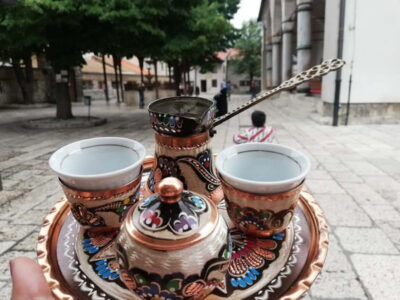
Private Walking Tour, Food Tasting and Bosnian Coffee in Sarajevo
Read our review →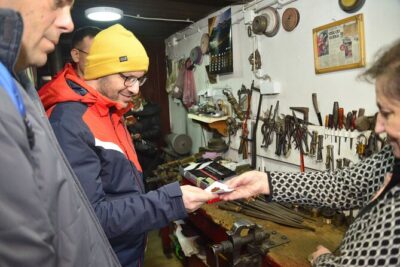
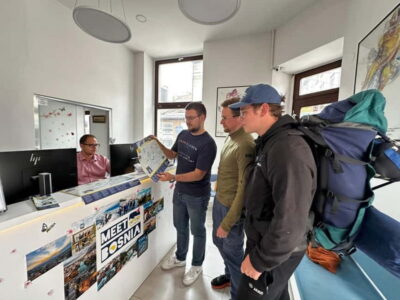
Sarajevo City Market, Old Town Food Tasting Tour
Read our review →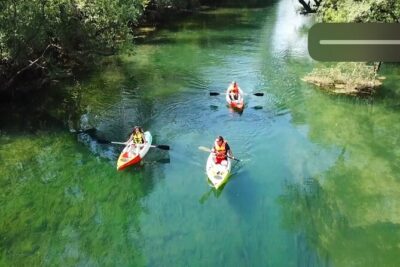
LUKOMIR VILLAGE HIKE & TREK TOUR (nature, hike, food & panorama)
Read our review →Nature’s Table: River Journey w Wine Tasting & BBQ Dinner Mostar
Read our review →Browse the lists this tour appears in