
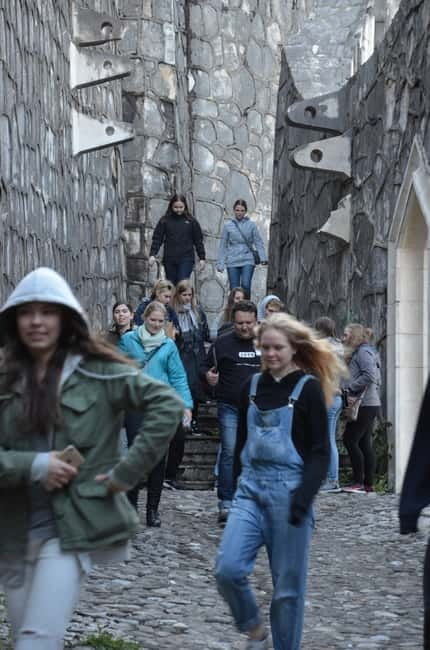
Reviewed · MOSTAR TOURS
The Death of Yugoslavia: Unique thematic Tour in Mostar
Mostar has plenty of bridge photos. This tour has the backstory behind them.
I like how The Death of Yugoslavia turns big political events into a clear, human timeline, with four secret locations that you would not stumble on by accident. It also uses an experimental format, mixing music shifts with historical images and secret-document style material, so you feel the change in mood as the story moves from Tito’s era to the breakup.
My other favorite part is the guide quality. Multiple guides are praised for being funny and strong English storytellers, and one review specifically called out Simon using family experiences from grandfather and father to make three generations feel real. One possible drawback: this is history-forward and war-adjacent, so if you prefer light sightseeing, you may find the subject matter heavy even though the presentation is engaging.
In This Review
- Key points to know before you go
- Where you meet in Mostar, and how the 150 minutes feel
- Chapter One, Yugoslav Paranoia, and why the Cold War mattered
- Chapter Two, Tito and People’s Lives, where “socialism” turns into daily choices
- Chapter Three, 1984 Sarajevo and the slow rise of the breakup
- Chapter Four, Bosnia and Herzegovina today, EU hopes, and the weight of what remains
- What makes this tour different, music, secret documents, and hidden locations
- Price and value, what $41 buys you in Mostar
- Who this tour suits best, and who should think twice
- Should you book The Death of Yugoslavia in Mostar?
- FAQ
- Where is the meeting point for the tour?
- How long is The Death of Yugoslavia tour?
- How many locations do you visit?
- What language is the tour guide?
- What is included in the ticket price?
- What should I bring?
- Is free cancellation available, and can I pay later?
Key points to know before you go
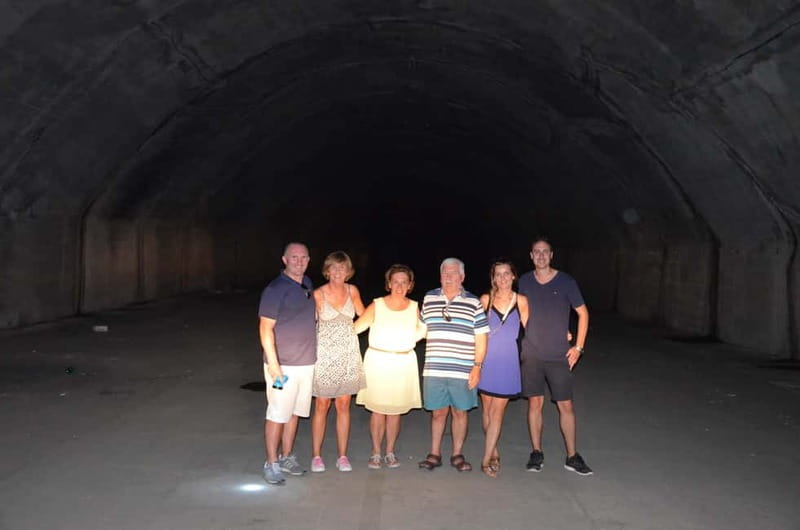
- Four secret stops connect four chapters, so the story actually travels, not just talks.
- Music is used as a storyline tool, marking cultural and political shifts.
- Historical pictures and secret documents help you visualize how the Yugoslav world was discussed and managed.
- Strong storytelling in English is a consistent highlight, including guides praised by name like Simon, Marco, Marko, and Saddy.
- Mostar logistics are easy: you meet near the Old Bridge and move by modern van or car between sites.
- You’ll walk a bit, so comfortable shoes matter.
Other Mostar trips worth comparing
- Dubrovnik: Kravica Waterfalls, Mostar and Pocitelj Day Trip
★ 4.5 · 3,045 reviews - From Mostar: Blagaj, Počitelj & Kravice Waterfalls Day Tour
★ 5.0 · 1,310 reviews - Discover Herzegovina Day Tour from Mostar: Kravice Waterfalls, Blagaj, Počitelj
★ 5.0 · 742 reviews - From Mostar: Kravice Waterfalls, Blagaj, & Počitelj
★ 5.0 · 565 reviews
Where you meet in Mostar, and how the 150 minutes feel
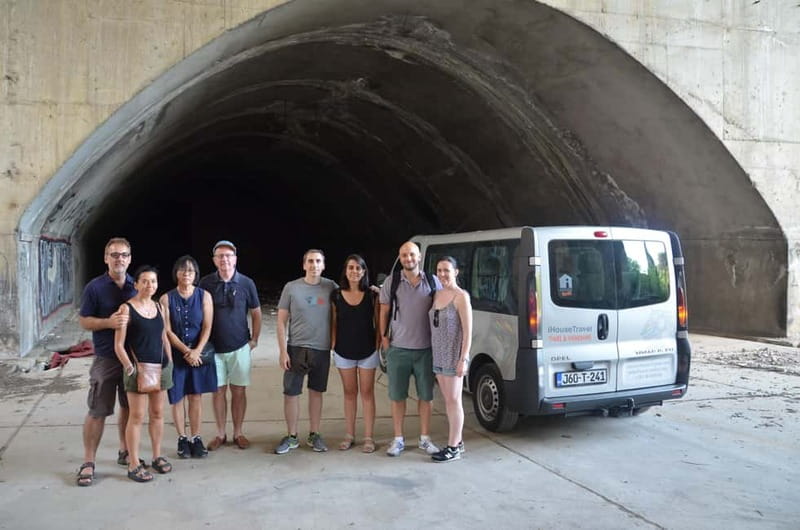
You start at iHouse Travel, in front of the shop, a few steps from the Old Bridge area. From there, the tour runs by van or modern car. The ride segments are short enough that you do not feel stuck in transit, and the guide keeps momentum with context while you move.
The whole experience is set for about 150 minutes, which is just enough time to get the main arc without drowning you in dates. Expect a mix of narration plus visual materials at the stops, then a drive to the next chapter. Bring comfortable shoes. You are on uneven urban and site surfaces, and you will want good footing for guided walking.
If you like your history with a timeline you can follow, this pacing works. If you want museum-style silence and reading at your own speed, you might prefer a different kind of day.
Chapter One, Yugoslav Paranoia, and why the Cold War mattered
The first chapter starts with the birth of Socialist Yugoslavia, and then snaps into the Cold War reality that shaped everyday life. You get the story of how Yugoslavia’s position changed after World War II, especially when it split from the Soviet Union and entered the period often described as Yugoslav paranoia.
At the first guided location, you focus on the Informbiro period and the way militarization became part of state thinking in the 1950s. What I like about this opening is that it explains the tone before the events. You learn why people lived with pressure, suspicion, and a sense that security came first.
This is also where the tour’s format pays off. You see historical images and documentary-style visuals that help the claims feel grounded. Music cues and cultural shifts come later, but the opening already sets the theme: politics was not an abstract topic. It shaped planning, institutions, and the feeling of what was safe.
Chapter Two, Tito and People’s Lives, where “socialism” turns into daily choices
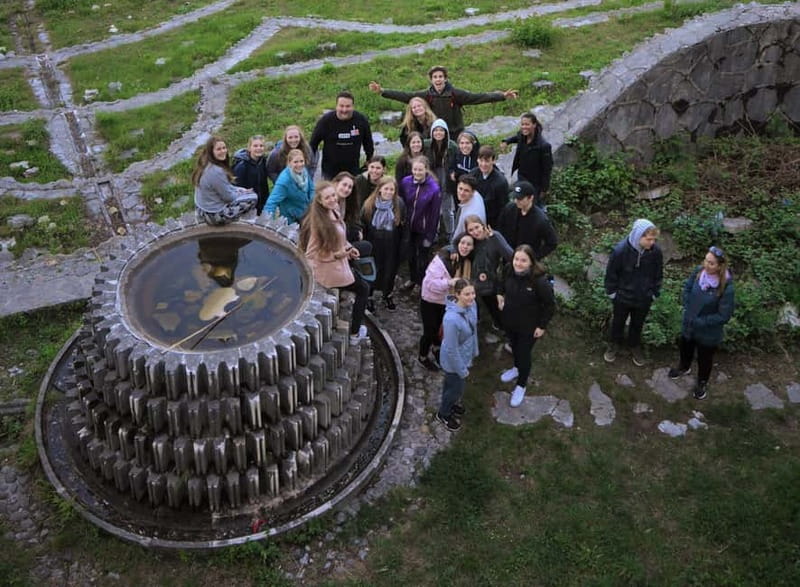
The second chapter moves from state strategy to people. Tito is not presented as a distant leader. You get his personal life, political achievements, and the way Yugoslavia tried to build a unique form of socialism instead of copying others.
This stop is where you start seeing how the system affected real routines. The tour highlights youth work actions, then shifts to industrialization in the 1950s and 1960s. The point is not just that factories grew, it is what growth meant for jobs, identity, and pride.
Then the story turns cultural. You look at popular culture through brands, music, and the automotive industry. The tour specifically references the 1970s and 1980s lifestyle trends, so you can connect politics to what people chose to listen to, buy, drive, and talk about.
In the reviews, guides are praised for storytelling that brings family perspective and objectivity into the mix. One review named Marco and pointed out his objective view. Another praised Marko for making the history feel fun without losing seriousness. That balance matters here, because Tito’s era can be read two ways depending on your politics. This tour steers you toward understanding it as something people lived inside.
Another way to spend the day from here:
Chapter Three, 1984 Sarajevo and the slow rise of the breakup
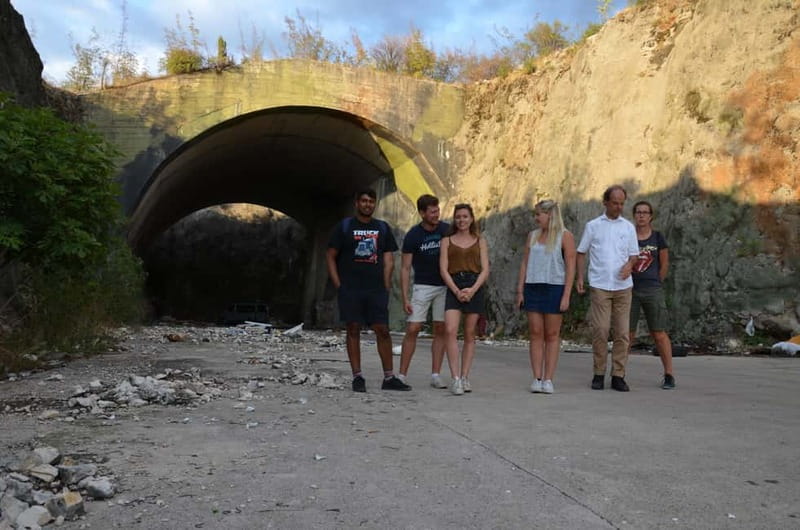
The third chapter anchors you in the 1980s, with a spotlight on the 1984 Sarajevo Winter Olympics. It is a smart choice, because it shows a “golden era” mood while the underlying conditions were already shifting.
From there, the tour explains why Yugoslavia’s fall was not one sudden day. It points to economic downturn and rising nationalism. You then follow the chain of conflict starting in Slovenia and Croatia, and later escalating in Bosnia and Herzegovina.
At this stop, the theme becomes consequences. You get an overview of the Yugoslav dream and how it dissolved, plus the human cost of war, including destruction and loss of lives. This part is where you need to be mentally ready. The tour is engaging, but it does not soften the reality.
The value here is that the tour connects “why things broke” to “what breaking looked like.” If you only know the breakup as a headline, this chapter gives you the pressure buildup that makes the outcome feel less random.
Chapter Four, Bosnia and Herzegovina today, EU hopes, and the weight of what remains
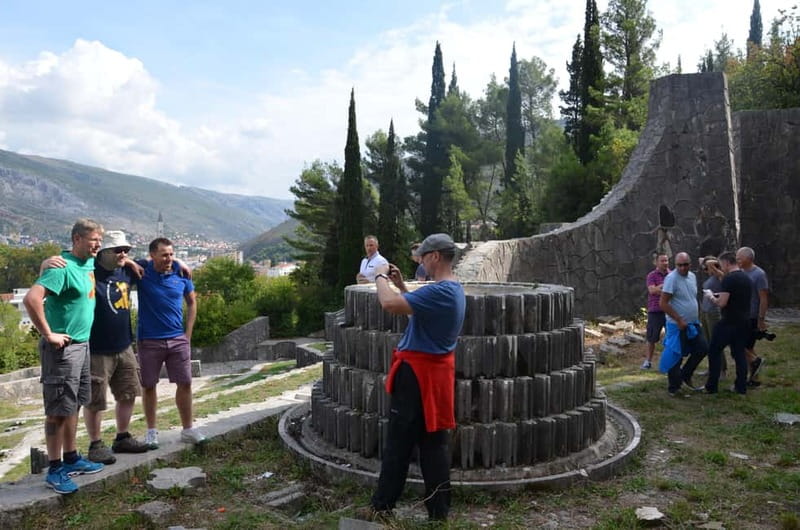
The final guided stop looks forward. You analyze present-day Bosnia and Herzegovina, including its political structure and the challenges it faces starting in the early 21st century.
Then you shift to the European Union question. The tour discusses Bosnia and Herzegovina’s potential EU membership and what that means in practical terms, not just as a slogan. The final message is about recovery and the work still needed across economic, cultural, and political life.
As you walk the last site, you are encouraged to hold two things in your head at once: remnants of a glorious past and the complex reality of today. That contrast is the tour’s emotional closing line. You come in understanding the rise and fall of a country. You leave seeing how the aftermath shapes decisions now.
This last chapter also makes the entire tour more useful for planning the rest of your stay. Bosnia is not only “the past.” It is current tensions, current hopes, and current conversations. This stop gives you a framework for what you might hear as you move around Mostar afterward.
What makes this tour different, music, secret documents, and hidden locations
Lots of tours tell a story. This one adds tools to make the story easier to picture.
First, the tour uses music to mark cultural shifts. That sounds like a small detail until you realize music is one of the fastest ways to sense social change. When the guide connects songs and styles to each era’s mood, you stop treating history like a textbook page.
Second, the presentation includes historical pictures and secret-document style visuals. I like this because it breaks the “talk only” pattern. When you see images tied to what you are hearing, your brain builds a timeline faster.
Third, the stops are described as secret to keep the experience immersive and more engaging. In practice, that means you get sites you would not find on your own. One review said the places were really well hidden and hard to locate without the guide. That is a real benefit in Mostar, where the map can look simple but the story is layered.
Finally, the guides are praised for storytelling and even humor. Reviews mention guides like Saddy, Simon, Marco, and Marko, with emphasis on strong English and being engaging rather than lecturing. That matters here, because the subject can easily become heavy or academic. The best part of this format is how it keeps you tracking the thread.
Price and value, what $41 buys you in Mostar
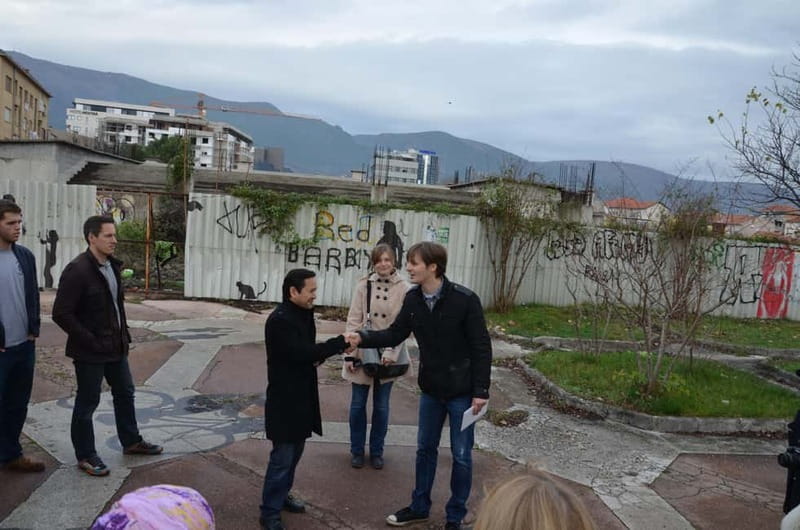
The price is $41 per person for about 150 minutes. You also get transport in a modern car or van, a local tour guide, and additional equipment provided by the company.
For me, the value is not only that it is reasonably priced. It is that you are paying for synthesis. Instead of piecing together Yugoslavia across multiple museums and reading sessions, you get a guided narrative with visuals, music cues, and four stops tied to four chapters. That is harder to replicate on your own, especially when several of the locations are intentionally hard to find without the guide.
If you love history but hate logistical friction, this format is worth it. You get movement, explanation, and context bundled into one afternoon window.
Who this tour suits best, and who should think twice
This tour is best for you if you like history with story structure and you enjoy connecting politics to daily life. It is also a good pick if you want a strong English guide and you do not want to spend your time hunting for small, specific sites.
It may be less ideal if you want relaxed, light sightseeing. The themes include wars and the dissolution of Yugoslavia, and the tour’s final chapters also focus on real political challenges. Comfortable shoes will help your feet, but they cannot make the topics lighter.
Should you book The Death of Yugoslavia in Mostar?
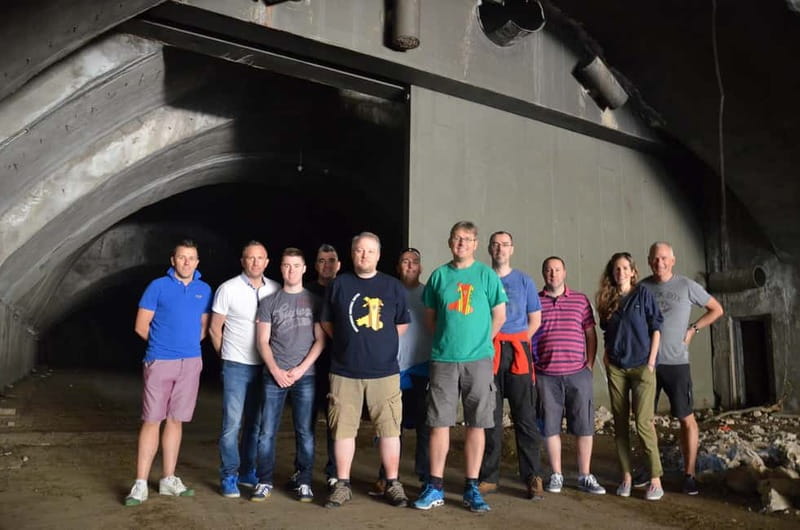
Yes, if you want your Mostar visit to feel connected to the wider region, and not just to bridges and old streets. This tour is a focused way to understand how Yugoslavia rose, how it lived, how it split apart, and how Bosnia and Herzegovina navigates the aftermath.
Before you book, ask yourself one simple question: do you enjoy a guided narrative with visuals and a clear timeline? If the answer is yes, this is a strong way to spend a little over two hours in Mostar. If you prefer slow, self-guided days, you might choose something that is lighter and more flexible.
FAQ
Where is the meeting point for the tour?
The tour meets in front of iHouse Travel, a few steps away from the Old Bridge in Mostar.
How long is The Death of Yugoslavia tour?
The duration is 150 minutes.
How many locations do you visit?
The experience includes four secret locations.
What language is the tour guide?
The tour guide speaks English.
What is included in the ticket price?
Transport in a modern car or van, a local tour guide, and additional equipment provided by the company staff are included.
What should I bring?
You should wear or bring comfortable shoes.
Is free cancellation available, and can I pay later?
Free cancellation is available up to 24 hours in advance for a full refund, and you can reserve now and pay later.
Most recently added near Mostar
- Going North and visit Sarajevo in a Day Tour from Mostar★ 5.0 · 1 review
- The Ottoman Experience Tour in Mostar★ 5.0 · 1 review
- Authentic Antique Museum Home★ 5.0 · 1 review
- Mostar: Private Walking Tour with Local Guide★ 4.0 · 1 review
- Top Secret Tito’s Bunker in a day tour from Mostar★ 5.0 · 1 review
- City Tour: Mostar Medival Town★ 5.0 · 1 review
- Wine Tour & Tasting (Herzegovina)★ 5.0 · 1 review
- Mostar Sunset Walking Tour with Wine Tasting★ 5.0 · 1 review
Mostar Tours, compared.
Kravica Waterfalls, Mostar and Pocitelj Day Trip
Read our review →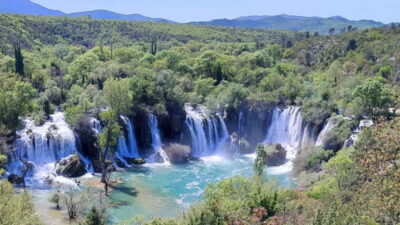
Blagaj, Počitelj & Kravice Waterfalls Day Tour
Read our review →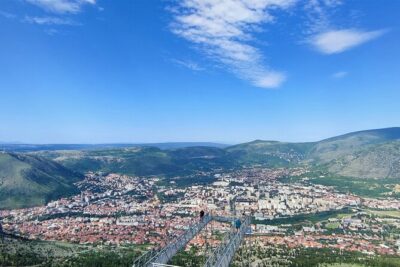
Discover Herzegovina Day Tour from Mostar: Kravice Waterfalls, Blagaj, Počitelj
Read our review →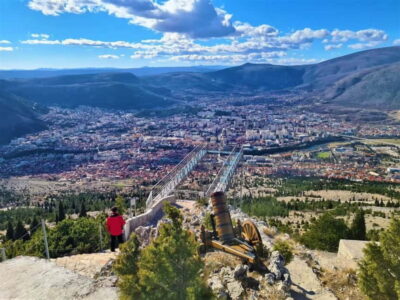
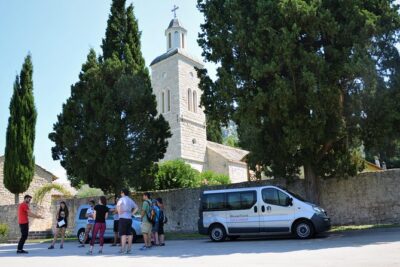
Herzegovina Day Tour from Mostar: Blagaj, Pocitej, Kravice falls (Join Us! :D)
Read our review →
Mostar and Kravice Waterfalls Full-Day Tour from Split
Read our review →
Browse the lists this tour appears in